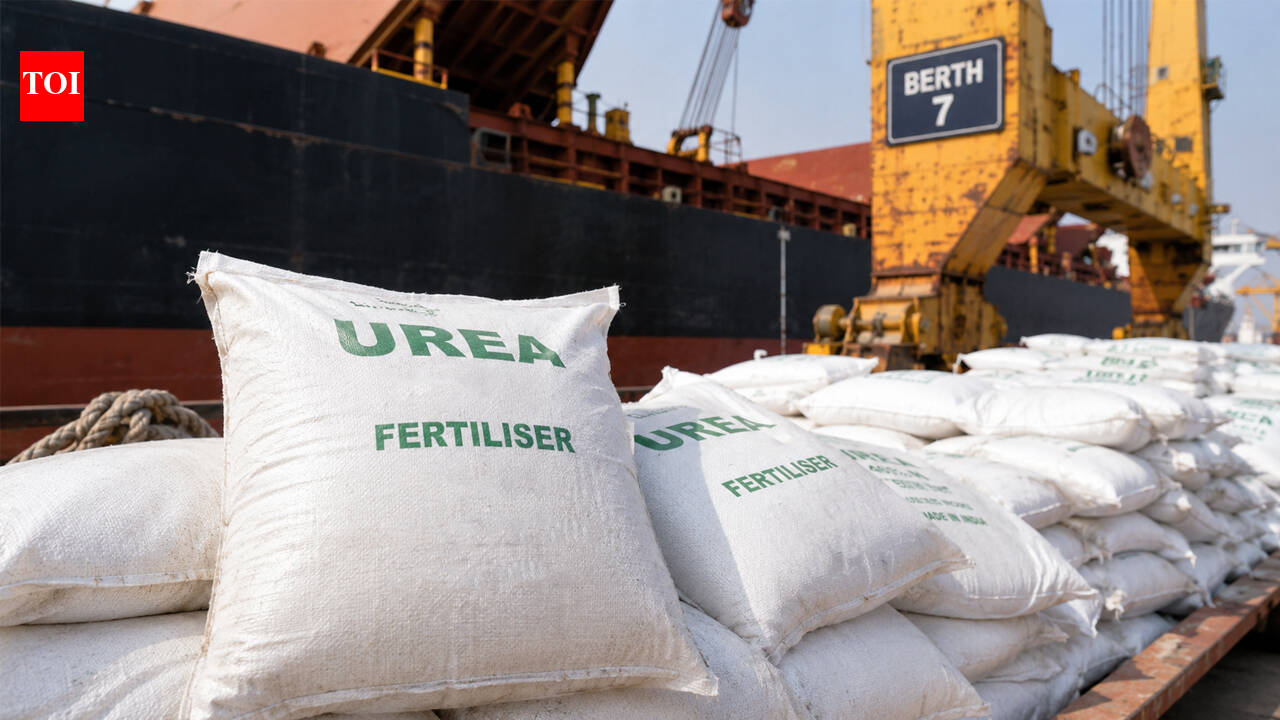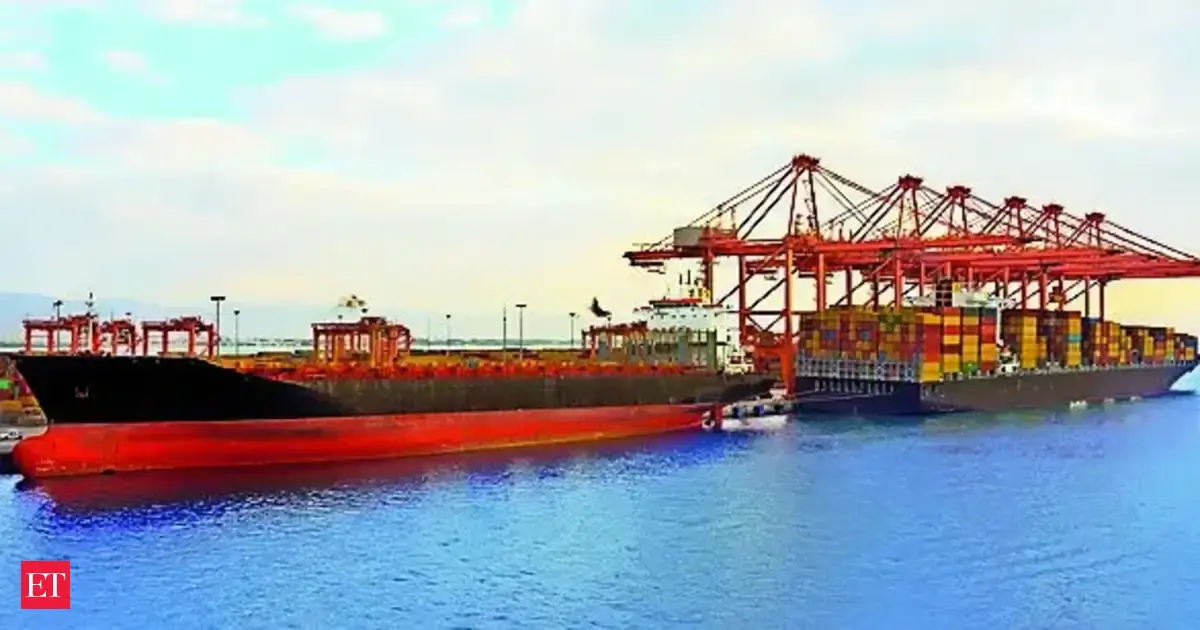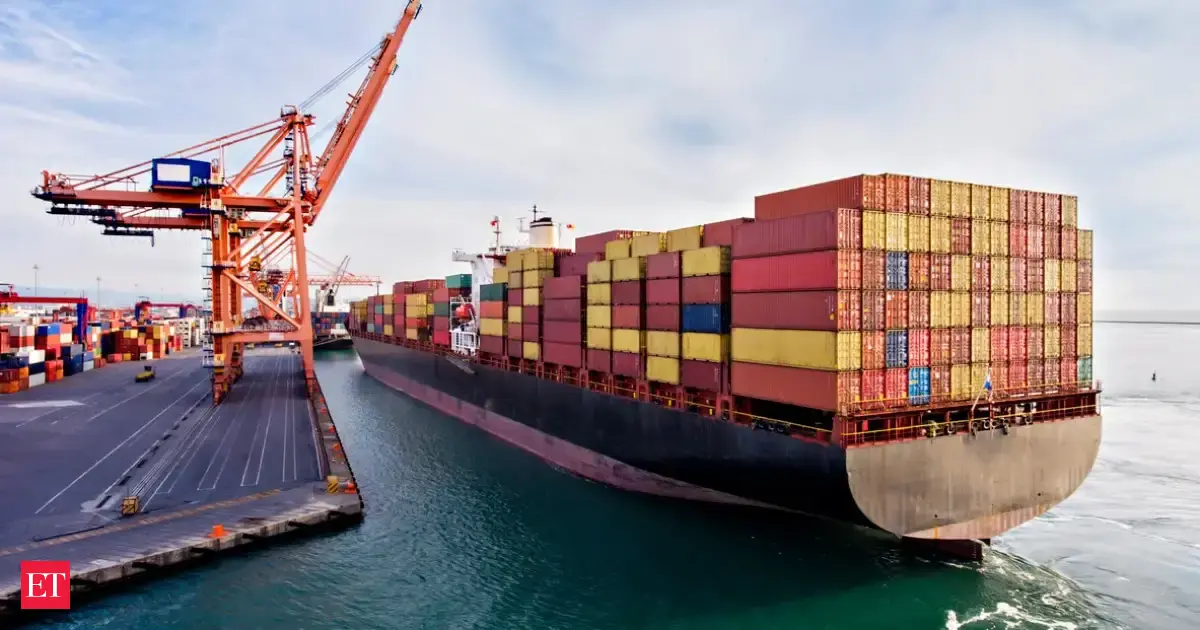
Two fertiliser vessels — one carrying around 60,000 tonnes of di-ammonium phosphate (DAP) and nitrogen-phosphorus-potassium (NPK), another with 7,000 tonnes of urea — have been stuck waiting for berth at India's Kandla Port since arriving on July 14, threatening timely distribution of key fertilisers for the peak kharif sowing season, according to industry executives quoted by the Economic Times.
Supply Chain Disruption Root Causes
The delays are attributed to three compounding factors, a senior executive at a fertiliser company said: port congestion at Kandla, limited availability of railway rakes for inland distribution, and ongoing supply chain disruptions triggered by the West Asia crisis. "Sowing has picked up over the past week, and any delay in fertiliser dispatch could disrupt distribution," the executive said. "DAP needs to be applied at the time of sowing."
The West Asia crisis — specifically the outbreak of the Iran war — has severely disrupted shipping through the Strait of Hormuz, one of the world's busiest commodity shipping routes. West Asia is India's largest source of fertilisers and key raw materials such as ammonia and sulphur, making the route critical for fertiliser imports ahead of the kharif season. The disruption also affected liquefied natural gas (LNG) imports, slowing domestic urea production during March and April, when India typically builds inventories before the monsoon. To prevent shortages, the government secured additional LNG supplies and floated three global urea tenders, the Economic Times reported.
Although vessel movement through the Strait of Hormuz briefly resumed following a US-Iran ceasefire announcement, fresh disruptions have again clouded cargo movement.
Impact on Fertiliser Availability by Type
Industry executives said urea supplies remain comfortable for the ongoing kharif season. However, DAP availability remains tight due to constrained global supplies of ammonia and sulphur. Phosphatic fertilisers are expected to remain under pressure until supply chains in West Asia stabilise.
"We are losing valuable time needed for timely distribution of key fertilisers," said another executive at a large fertiliser company, attributing the delays to port congestion, limited railway rakes, and the West Asia crisis.
| Fertiliser Type | Status | Key Constraint |
|---|---|---|
| Urea | Comfortable supplies | None specified in source |
| DAP/NPK | Tight availability | Constrained ammonia & sulphur supplies, port congestion |
Shipper and Operator Implications
For fertiliser importers and logistics operators, the immediate operational impact is a bottleneck at Kandla Port, with vessels idling and waiting for berth. The limited availability of railway rakes compounds the problem, slowing inland distribution to distributors and farmers. Importers should anticipate potential delays of at least several days beyond the July 14 arrival date for the affected vessels.
Given the ongoing instability in West Asia, route contingency planning is essential. The Strait of Hormuz remains a chokepoint, and any further disruptions could exacerbate delays. Operators should monitor the US-Iran ceasefire status and consider alternative sourcing or routing where possible. The government's actions — securing additional LNG and floating urea tenders — may alleviate some pressure on urea, but DAP and phosphatic fertilisers will likely remain constrained until West Asian supply chains stabilise.
Watch List
- Strait of Hormuz navigation status: Any further disruptions or ceasefire breakdown will directly impact fertiliser and raw material shipments.
- Kandla Port berth availability and dwell times: If congestion worsens, demurrage costs may rise and distribution delays deepen.
- Railway rake availability: A key inland logistics constraint that could become more acute as more vessels discharge.
- Global ammonia and sulphur prices: Tight supplies will push DAP prices higher, affecting import costs.
- Government tender awards: The three global urea tenders floated will determine near-term urea import volumes.
Sources: