iGEN
Visit IGEN World Explore IGEN Expo
EXPLORE UPGRADE PLANS
BREAKING
Home ›› Logistics ›› Ports Terminals ›› Oman Ports: India's Strategic Gateway to West Asia and Africa

Oman Ports: India's Strategic Gateway to West Asia and Africa

Oman ports, notably Sohar and Duqm, are emerging as key gateways for Indian exporters to access West Asian and African markets. Enhanced logistics and strategic free trade agreements bolster this position.

iG
iGEN Editorial
June 6, 2026
Oman Ports: India's Strategic Gateway to West Asia and Africa

Oman ports, particularly Sohar Port and Port of Duqm, are rapidly becoming pivotal gateways for Indian exporters aiming to penetrate West Asian and African markets. These ports offer strategic advantages through enhanced logistics capabilities and free trade agreements (FTAs) that Indian businesses can leverage.

Strategic Positioning and Infrastructure

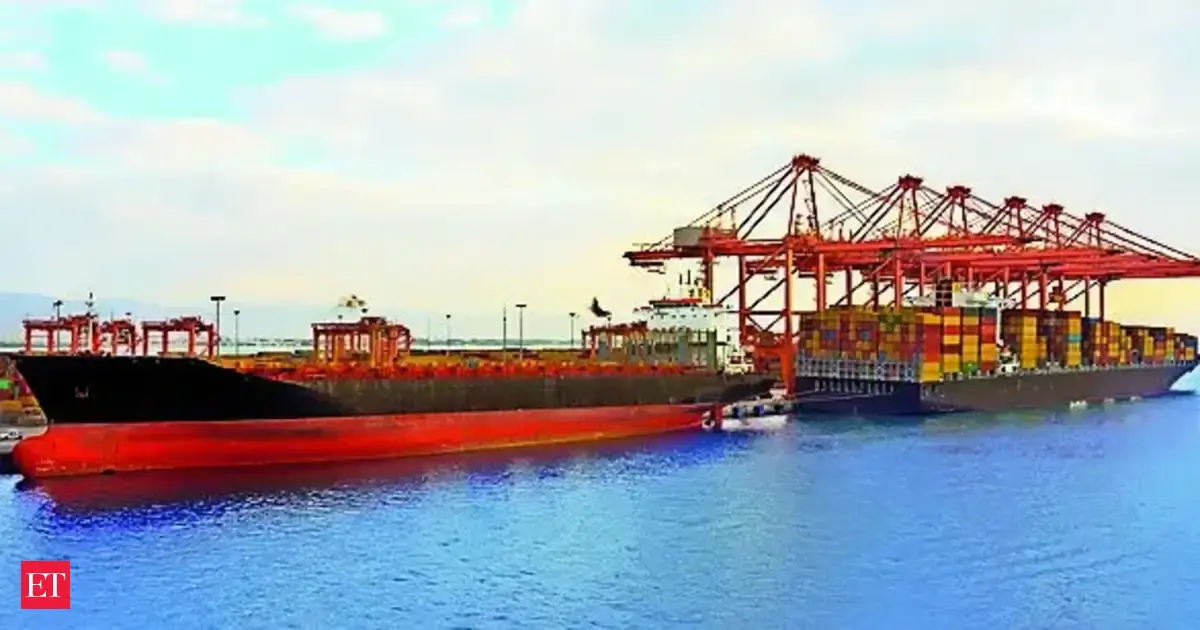
Sohar Port, operational since 2004, is strategically located outside the Strait of Hormuz. It spans 21 million square meters and includes clusters dedicated to logistics, petrochemicals, metals, and recently, a food cluster. The port's advanced wave-dampening system facilitates high-speed container unloading, crucial for maintaining efficient throughput.

  • Berth Capacity: Sohar Port's infrastructure supports a wide range of cargo types, enhancing its role as a logistics hub.
  • Dwell Times: Reduced due to efficient unloading systems and connectivity to Oman's $10-billion road network.

Trade Lanes and Market Access

The ports serve as critical nodes in trade routes connecting India to West Asia and Africa. Port of Duqm provides access to the Special Economic Zone at Duqm (SEZD), the largest in the Middle East, further enhancing trade opportunities.

"Oman's ports are not just transit points but strategic hubs that offer Indian businesses a competitive edge in accessing new markets," said a senior Oman government source.

Implications for Shippers and Operators

For logistics managers and freight forwarders, the enhanced capabilities of Oman's ports mean:

  1. Increased Capacity: More TEUs and MTs can be handled efficiently.
  2. Reduced Transit Times: Faster unloading and road connectivity reduce overall shipping times.
  3. Strategic Partnerships: Opportunities to leverage Oman's FTAs for expanded market reach.

Watch List

  • Carrier Alliances: Monitor potential shifts in alliances that could affect capacity and rates.
  • Regulatory Changes: Stay updated on any changes in trade policies affecting FTAs.
  • Infrastructure Developments: Future expansions at Sohar and Duqm could further enhance capabilities.
Port Capacity (TEU) Key Features
Sohar High Logistics, Petrochemicals, Metals, Food Clusters
Duqm Expanding Access to SEZD, Strategic Location

Oman's ports are set to play a crucial role in the evolving logistics landscape, offering Indian exporters a robust platform to expand their reach into West Asia and Africa.

Keep Reading

Recommended Stories

Container shipping tipped to normalise through Red Sea by year-end Logistics

Container shipping tipped to normalise through Red Sea by year-end

Analyst Lars Jensen says Red Sea container shipping could normalise by end-2026 as MSC restores four Suez services and Maersk accelerates returns. Canal traffic is at its highest since January 2024 but remains 41% below pre-crisis levels, with Houthi attacks and war-risk insurance costs still elevated.

August 26, 2026
El Niño puts Pacific and Indian Ocean ports on alert Logistics

El Niño puts Pacific and Indian Ocean ports on alert

A new Sofar Ocean study warns the strengthening 2026 El Niño will rewrite port operating assumptions, with Pacific-facing ports in the Americas exposed to surge and flooding and Asian and East African terminals facing lost draft, flooding, and dredging disruption. NOAA expects the event to peak between October and December, with a 97% chance it persists into early spring 2027.

August 10, 2026
Argentina Reopens Ports, Suspends Pilotage Decree After 150-Ship Standstill Logistics

Argentina Reopens Ports, Suspends Pilotage Decree After 150-Ship Standstill

Argentina port and river pilots resumed assignments Tuesday after the government suspended Decree 690/2026 and cut pilotage charges 20%. More than 150 ships and nearly 3m tonnes of cargo were backlogged at Buenos Aires and the Paraná-Paraguay waterway. Some vessels diverted to Montevideo and southern Brazil.

August 5, 2026
East Asia faces $890bn maritime investment bill to 2040, World Bank warns Logistics

East Asia faces $890bn maritime investment bill to 2040, World Bank warns

The World Bank estimates East Asia and the Pacific needs about $890bn through 2040 to modernize ports, replace aging fleets and build alternative-fuel supply chains. Ports need $12bn annually, container capacity may nearly double, and China accounts for 65% of port spending. The report warns that regulatory uncertainty has led to sectoral paralysis.

July 31, 2026