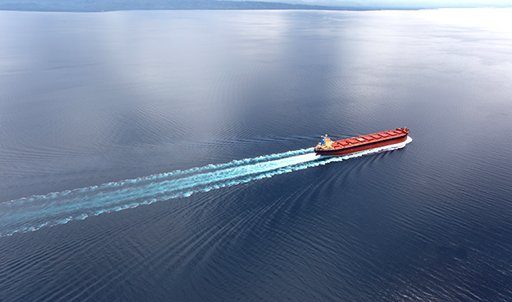
A four-year-old capesize bulk carrier has been sold for around $78m in a rare transaction by Japanese owner Doun Kisen, according to Splash247. The sale underscores how buyer appetite for quality Japanese-built tonnage continues to push secondhand values higher.
The Princess Eternity sale
Splash247 reported that Doun Kisen, one of Japan's largest private tonnage providers and controlled by the Okochi family, is trimming its 20-ship strong cape arm. The 2022-built Princess Eternity, a 182,000 dwt bulker constructed at Japan Marine United, marks Doun Kisen's first capesize sale in a year. The buyer has yet to be revealed.
Splash247 described the transaction as an exceptionally rare sale, reflecting the scarcity of high-quality Japanese-built capesize tonnage coming to market. The Okochi family-controlled firm is actively reducing exposure to the capesize segment, having previously maintained a fleet of around 20 ships in this class.
Comparable transaction in June
The closest comparable deal, according to Splash247, emerged in June in an off-market transaction involving Nissen Kaiun, which sold a sister ship two years older for $66m. That price gap — roughly $12m between a 2022-built vessel and an older sister ship — illustrates the value attached to newer Japanese-built tonnage.
| Vessel | Build year | Size | Seller | Price | Deal timing |
|---|---|---|---|---|---|
| Princess Eternity | 2022 | 182,000 dwt | Doun Kisen | ~$78m | This week |
| Sister ship (two years older) | N/A | Sister ship | Nissen Kaiun | $66m | June, off-market |
Capesize spot earnings surge
The latest sale comes at a time where average capesize spot earnings jumped just under 40% week on week to around $46,000 per day, Splash247 reported. For ocean carriers and charterers, the combination of rising spot earnings and firm secondhand prices points to tightening supply in the dry bulk segment.
Japanese owners continue to cash in as buyer appetite for quality Japanese-built tonnage pushes values higher.
Implications for shippers and operators
For freight forwarders, 3PL operators and supply chain directors with exposure to dry bulk capacity, the Princess Eternity deal offers several concrete reference points:
- Doun Kisen is actively reducing its capesize fleet, having previously held around 20 ships in this segment.
- Quality Japanese-built tonnage retains a clear resale premium, as shown by the roughly $12m gap between the 2022-built Princess Eternity and a two-year-older sister ship sold in June.
- Capesize spot earnings have moved sharply higher in a single week, an indicator that vessel owners are regaining pricing power.
The deal is an asset-market signal for dry bulk supply, with implications for future ocean freight costs on capesize-influenced lanes. Secondhand values like this one feed directly into how owners price forward charter coverage, and the reported jump in spot earnings reinforces a firmer rate environment.
Watch list
Operators monitoring this market should track, based on Splash247's reporting:
- The identity of the Princess Eternity buyer, which has not yet been disclosed.
- Whether Doun Kisen continues to trim its 20-ship cape arm.
- The trajectory of average capesize spot earnings, which have jumped just under 40% week on week to around $46,000 per day.
Sources: