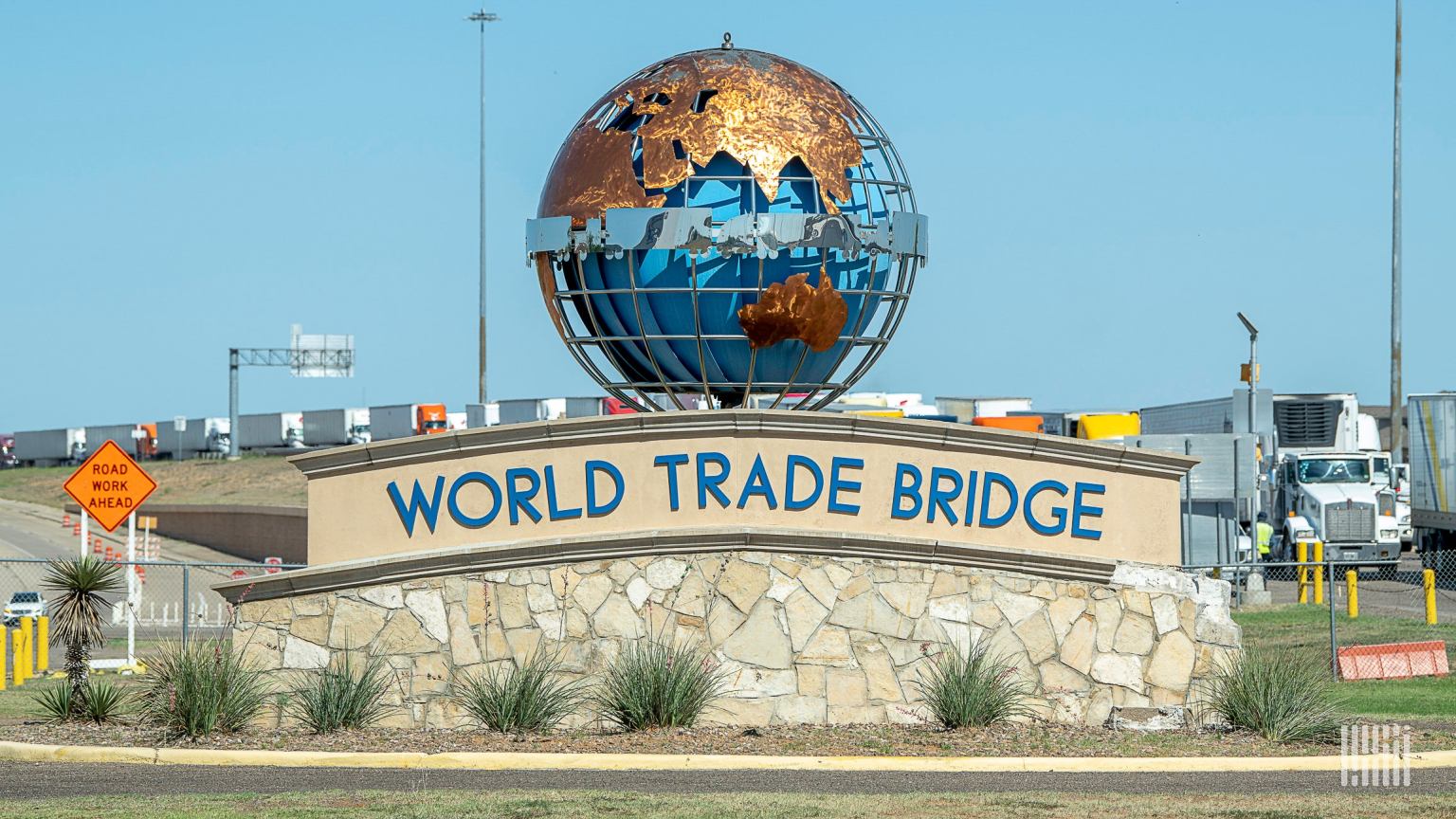
The 9th Annual Modernization of Cross-Border Trade (MCBT) event, held June 9, 2026, at the Laredo Country Club, drew representatives from more than 500 logistics companies, making it the largest U.S.-to-Mexico logistics event in the country, according to Mark Vickers, founder of Borderless Coverage and Executive Vice President and Head of International Logistics at Reliance Partners, which hosts the event.
What began nine years ago as a dinner gathering of roughly 20 people at a restaurant in Laredo has grown into a premier forum for shippers, freight brokers, carriers, customs professionals, and technology providers operating across both sides of the border. The event's growth mirrors the trajectory of Borderless Coverage, which Vickers developed as the first program to offer per-load, per-project, per-client cargo insurance coverage for shipments into Mexico. Reliance Partners, the largest privately held transportation and logistics insurance agency in the country, acquired Borderless Coverage in 2021.
Tequila Meets Trucking
One distinctive thread of this year's event was the involvement of the tequila industry. The sponsorship story started with a feature article Vickers wrote for Tequila Aficionado exploring the risks of moving tequila between the U.S. and Mexico. Vickers asked the owners of Tequila Aficionado if their network was interested in meeting logistics people, and the answer was yes. Top tequila brands signed on as sponsors, and the conference featured a guided tequila tasting for logistics professionals — a hands-on demonstration of supply chain relationships.
Tequila is the top import from Mexico into the United States, and the risks associated with moving that product across the border — cargo theft, insufficient insurance, unvetted carriers — are exactly what MCBT was built to address.
Carrier Vetting at the Forefront
The most urgent topic dominating conversations was how U.S. companies can confidently vet Mexican carriers in a legal environment that now carries criminal stakes. The Trump administration's designation of several Mexican cartels as foreign terrorist organizations has introduced a sobering liability calculation for U.S. freight brokers. If a company tenders a shipment to a Mexican carrier with cartel ties, even unknowingly, the owner could face up to 20 years in federal prison for aiding and abetting a foreign terrorist organization.
Combined with the recent Montgomery v. Caribe Transport ruling, which reinforced broker liability standards for carrier selection, the imperative to vet Mexican carriers has never been more acute, Vickers said. "These developments have really put carrier vetting in Mexico at the forefront of the Mexican supply chain," he noted, adding: "This is going to involve a rigorous process that Mexican carriers are not accustomed to. U.S. brokers are making Mexican carriers sign agreements and..."
Sponsor Lineup and Event Growth
The 2026 sponsor lineup spanned the full breadth of the cross-border supply chain, including Descartes Systems Group, Evans Transportation, Green Corridors, Kuehne+Nagel, Averitt, and Cargado, which hosted a happy hour following the main conference sessions. This is a far cry from the early years of the event. "We didn't even take sponsors the first five years," Vickers said. "But now it's sponsored by companies from Canada to Mexico."
Implications for Operators
For freight forwarders and logistics managers moving goods across the U.S.-Mexico border, the key takeaway is the heightened need for rigorous carrier vetting processes. The legal exposure from the FTO designation and the Montgomery ruling means that brokers must ensure their Mexican carrier partners are thoroughly vetted — a process that many Mexican carriers are not yet accustomed to. Companies should update their carrier agreements, conduct background checks, and consider using services like those offered by Borderless Coverage to mitigate cargo theft and liability risks.
Watch List
- Further developments in the legal landscape: additional rulings or federal guidance on broker liability for cartel ties.
- Expansion of tequila-related logistics services as the top U.S. import from Mexico continues to drive cross-border freight demand.
- Adoption of carrier vetting technologies and insurance products by Mexican carriers to comply with U.S. broker requirements.
Sources: