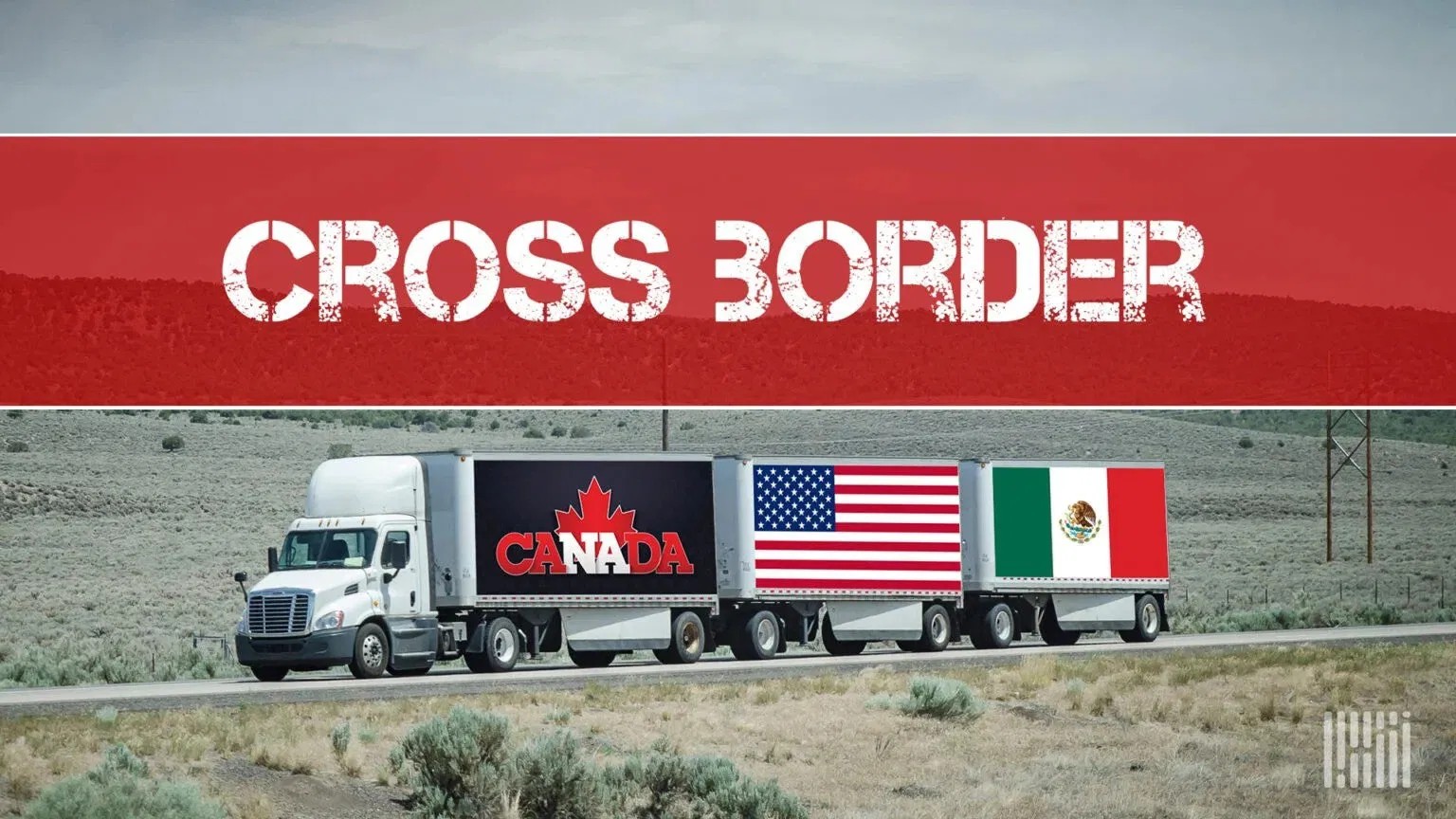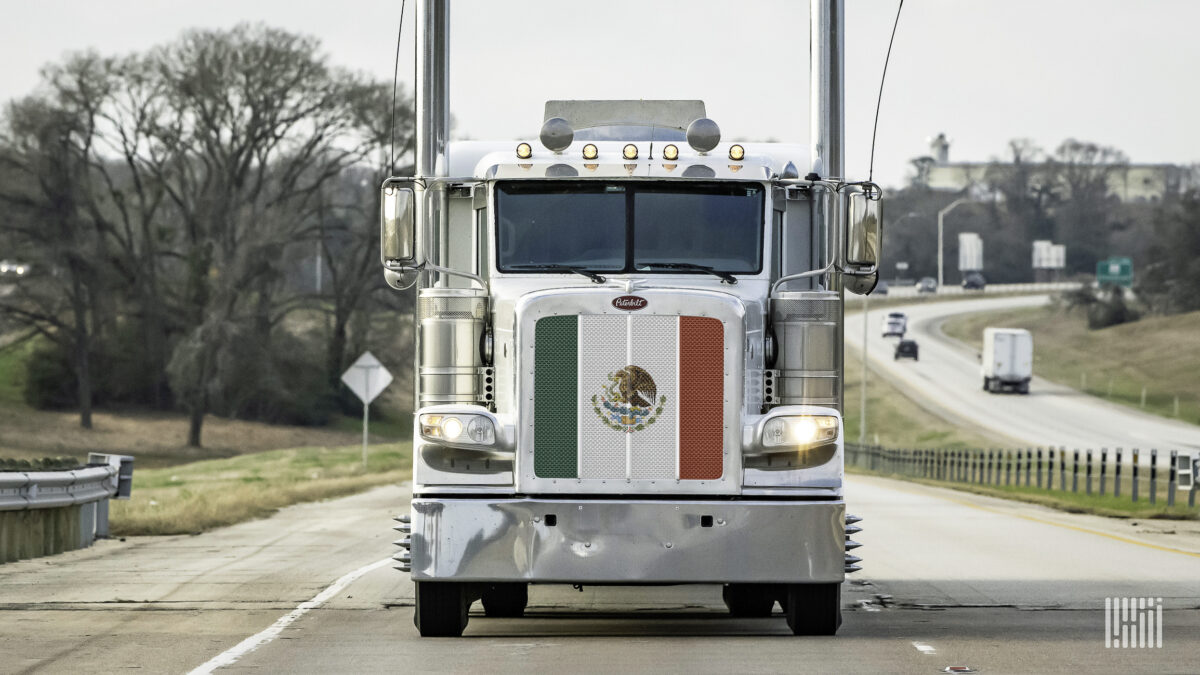
The revocation of over 3,000 Mexican truck drivers' visas is causing significant disruptions in US-Mexico cross-border logistics. This enforcement action is a result of intensified scrutiny on cabotage violations by the U.S. Department of Transportation (DOT) and U.S. Customs and Border Protection (CBP).
Context of the Enforcement
The recent visa cancellations are part of a broader federal effort to enforce cabotage laws, which prohibit foreign carriers from transporting goods between two domestic points in the U.S. without proper authorization. Pedro Lozano Martínez, president of the Nuevo Laredo Freight Carriers Association, highlighted that approximately 3,200 drivers have been affected across the border region.
"What happened is that the DOT and CBP systems merged, and all operators who had any warnings about possible cabotage were automatically identified," said Lozano.
Impact on Trade Lanes and Ports
The enforcement has primarily impacted major commercial gateways along the US-Mexico border, including Nuevo Laredo and Otay Mesa. These regions are experiencing increased delays and logistical challenges as carriers scramble to adjust to the sudden loss of authorized drivers.
| Region | Affected Drivers | Major Ports |
|---|---|---|
| Nuevo Laredo | 3,200 | Laredo, Otay Mesa |
Implications for Shippers and Operators
Shippers and logistics operators are advised to review their compliance with cabotage regulations and ensure that all drivers are aware of their visa status before attempting cross-border operations. Increased coordination with customs brokers and legal advisors is recommended to navigate these regulatory changes effectively.
Watch List
- USMCA Review Talks: Ongoing discussions may lead to further regulatory adjustments affecting cross-border trade.
- CBP Enforcement Trends: Continued monitoring of CBP's enforcement activities is crucial for anticipating future disruptions.
- Driver Shortages: The loss of visas could exacerbate existing driver shortages, impacting capacity and rates.
Logistics managers and freight forwarders should remain vigilant and proactive in addressing these challenges to mitigate operational impacts.