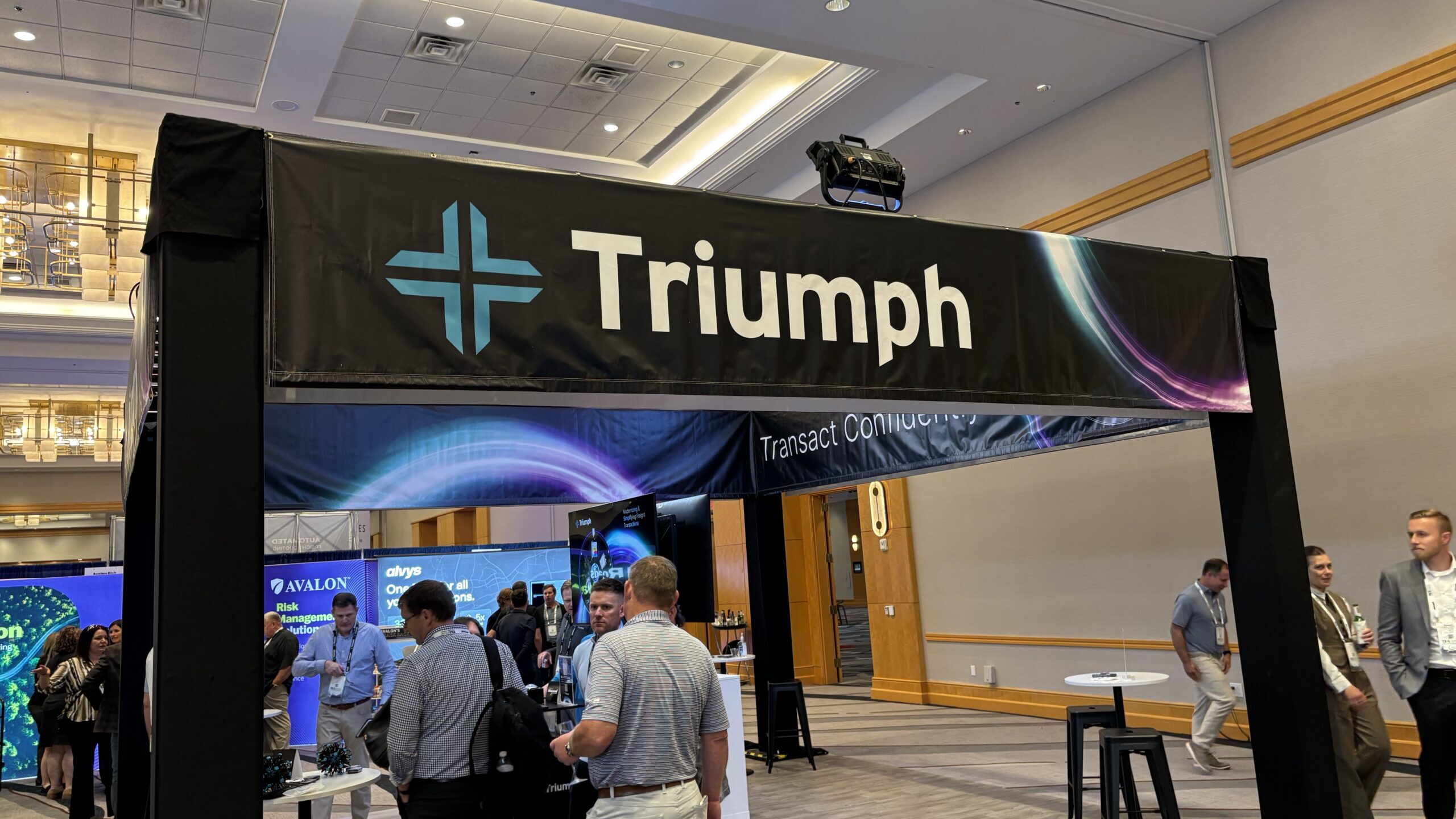
Triumph (NYSE: TFIN) launched RFP Manager on Tuesday to help brokers keep pace with freight contract bidding cycles that have compressed from annual events to as frequent as every 30 days, according to FreightWaves.
Market Shift Drives Faster RFP Cycles
Contract pricing is getting harder as the supply-constrained market pushes rates up faster than brokers anticipated, FreightWaves reported. Ben Volkwyn, Triumph’s executive vice president and head of enterprise data and intelligence, said RFP cycles that once stretched to 18 months have now compressed to three-month cycles, and in some cases to just one month.
“I’ve recently even spoken to someone where it’s a one-month cycle,” Volkwyn said, according to FreightWaves. That pace leaves little room for traditional spreadsheets, he added: “By the time you get the answer back, the rates have already changed and the market has changed because it took you two weeks to put this together.”
| RFP Cycle Length | Previous Norm | Current Reality |
|---|---|---|
| Longest cycle | 18 months | 3 months |
| Shortest cycle | 12 months | 1 month |
Tool Leverages Triumph Network Data
RFP Manager draws on real transaction and carrier payment data from the Triumph Network, which FreightWaves noted provides visibility into about 70% of North American brokered freight transactions and payments tied to more than 170,000 carriers. The tool then layers each broker’s own buying patterns on top at the lane level to return pricing based on actual activity rather than manual lookups.
“What our tool does is not only make it a lot easier from an Excel spreadsheet perspective, but it already puts it inside the workflow,” Volkwyn said, as reported by FreightWaves. “It runs through the process. It already allocates it to the correct columns and then provides you back the data that you require to price your RFP. It makes it a lot faster from a workflow perspective and also keeps it current.”
“Contract pricing is getting harder. RFP cycles are faster, the market is a lot more volatile, and traditional benchmarks just don’t always reflect what’s actually happening.” — Ben Volkwyn, as quoted by FreightWaves
Accuracy Alongside Speed
Speed was not the only goal, Volkwyn stressed. “It is beyond just optimizing that workflow. It is also to ensure that the moment you do go through the workflow, you’re actually getting the right information back as accurately as possible,” he said. “It’s one thing to be fast, but it’s definitely better to be accurate.”
Triumph founder and CEO Aaron P. Graft tied the tool’s accuracy to the volume of transactions flowing through the company’s payments network, according to FreightWaves. “Because Triumph audits and pays the largest volume of truckload freight transactions in North America, we can provide market insights based on actual transaction and carrier payment activity,” Graft said. “RFP Manager brings that intelligence into the bid process so brokers can make faster, more informed pricing decisions.”
Implications for Brokers and Shippers
For freight brokers and logistics managers, the tool addresses the widening gap between market volatility and traditional pricing methods. The shift from annual to monthly or quarterly RFP cycles requires real-time visibility into carrier capacity and rates. RFP Manager provides that by replacing manual spreadsheet processes with an automated workflow built on actual transaction data. Brokers can now produce competitive bids faster, reducing the risk of rejection from shippers who need contracts to reflect current market conditions. Shippers benefit from more accurate pricing that reflects real carrier availability, helping them secure capacity in a tight market. The tool's reliance on the Triumph Network's broad coverage ensures that pricing decisions are grounded in actual market activity rather than outdated benchmarks.
Watch List
Brokers and shippers should monitor how RFP Manager adoption affects contract pricing speed and accuracy across the North American market. Further compression of bidding cycles could accelerate, increasing demand for data-driven pricing tools. Competitors may respond with similar offerings, and the Triumph Network's data coverage may expand beyond brokered freight to include other modes.
Sources: