Cathay Pacific Airlines on Friday postponed the planned resumption of passenger and freighter flights to parts of the Middle East, joining all-cargo operator Cargolux in opting for risk avoidance following the resumption of large-scale hostilities between the United States and Iran, according to FreightWaves. The decision cuts a key freight carrier used by businesses shipping between the Gulf region, Europe, and Hong Kong and China.
Suspension Details by Carrier
Cathay Pacific planned to restart daily passenger flights from Hong Kong to Dubai and four-times weekly passenger flights to Riyadh, Saudi Arabia, on September 1. Those services are now scheduled to start on October 25 and October 26, respectively. Cathay's widebody aircraft carry significant cargo in the lower holds, and the airline is the ninth-largest global air cargo carrier by scheduled traffic, per the latest figures from the International Air Transport Association. Cathay Cargo, which operates a fleet of 20 Boeing 747 jumbo jets, has indefinitely postponed service to Riyadh that was scheduled to resume August 1. The airline said it will monitor conditions to determine a new start date.
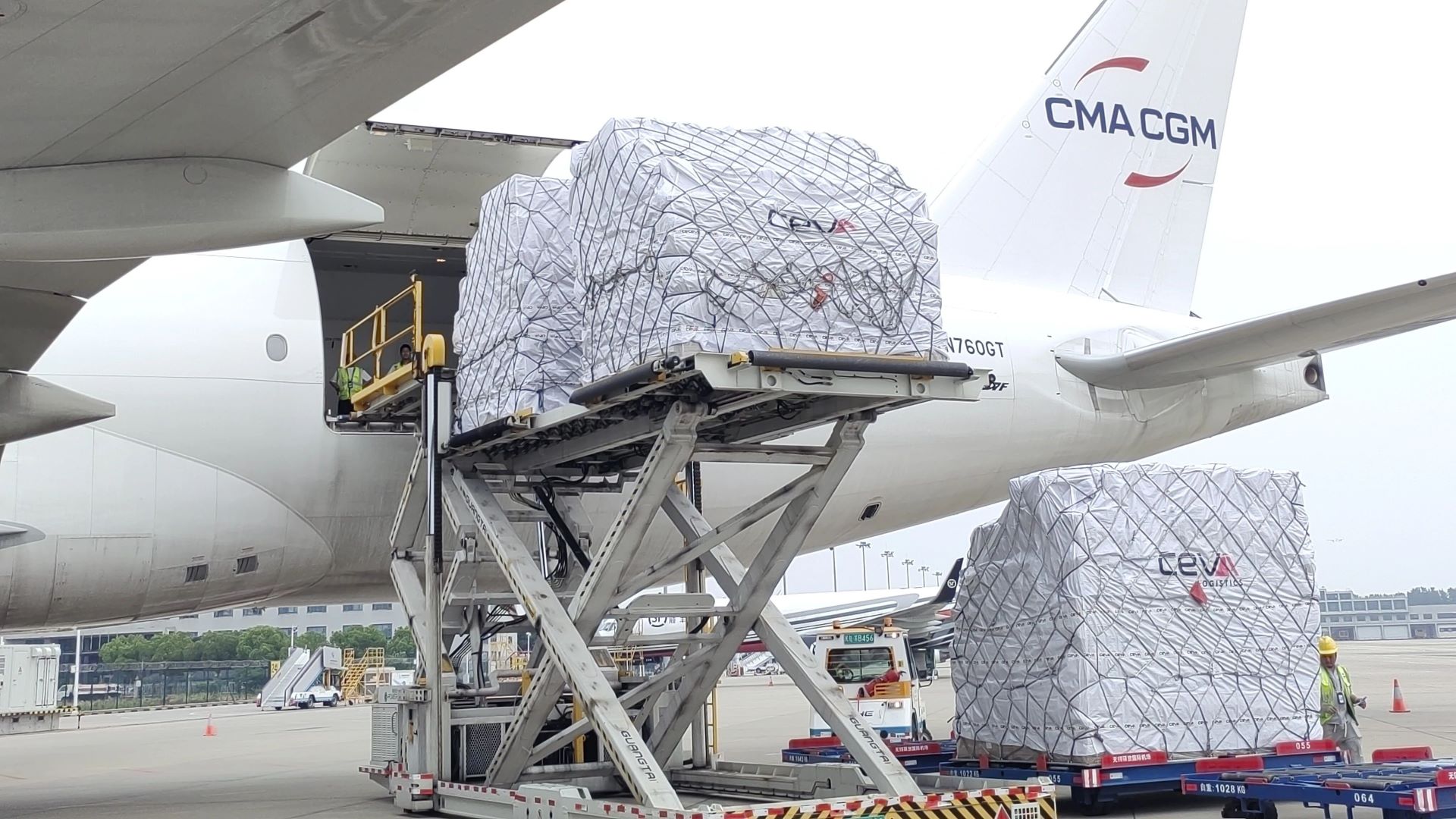
Meanwhile, Luxembourg-based Cargolux previously notified customers that its planned restart of service to Dubai has been placed on hold until further notice because of renewed missile and drone attacks in the Persian Gulf region. Service to other Middle East destinations — Kuwait, Bahrain, Doha (Qatar), and Dammam and Riyadh (Saudi Arabia) — remain suspended. Flights to Muscat, Oman, continue to operate as scheduled, FreightWaves reported.
| Carrier | Originally Scheduled Resumption | New Status | Affected Destinations |
|---|---|---|---|
| Cathay Pacific passenger flights (Hong Kong-Dubai) | Sept 1 | Delayed to Oct 25 | Dubai |
| Cathay Pacific passenger flights (Hong Kong-Riyadh) | Sept 1 | Delayed to Oct 26 | Riyadh |
| Cathay Cargo freighter (Hong Kong-Riyadh) | Aug 1 | Indefinitely postponed | Riyadh |
| Cargolux freighter (to Dubai) | Not specified in source | Placed on hold until further notice | Dubai |
| Cargolux freighter (other Middle East) | Previously suspended | Remain suspended | Kuwait, Bahrain, Doha, Dammam, Riyadh |
Capacity and Cost Implications
The Iran war escalation is likely to temporarily reduce global air capacity available to shippers, as it did in the early stages of the conflict when global air capacity fell more than 12%. Capacity year over year is up about 4% year over year after the shooting war subsided in May, according to freight analytics firm Xeneta and Boeing, partly due to the market entrance of the first-ever Boeing 777 converted freighters with several airlines. The resumption of fighting in the Gulf means available airspace for safe travel is more limited and that airlines will have to fly longer to circle around the danger zone, adding fuel cost and time to flights.
Shippers' Next Steps
Losing service from a major cargo carrier to key Middle East hubs reduces shipping options for businesses. Forwarders and logistics managers operating on lanes between the Gulf, Asia, and Europe should expect higher airfreight rates as capacity tightens and transit times lengthen due to rerouting. Alternative hubs such as Muscat remain operational for Cargolux, but overall network options are shrinking. The indefinite nature of Cathay Cargo's Riyadh suspension and Cargolux's Dubai hold means shippers must explore other carriers or modal alternatives. The situation remains fluid, with both carriers stating they will reassess as conditions evolve.
Sources: