
Topic
war
 Commodities
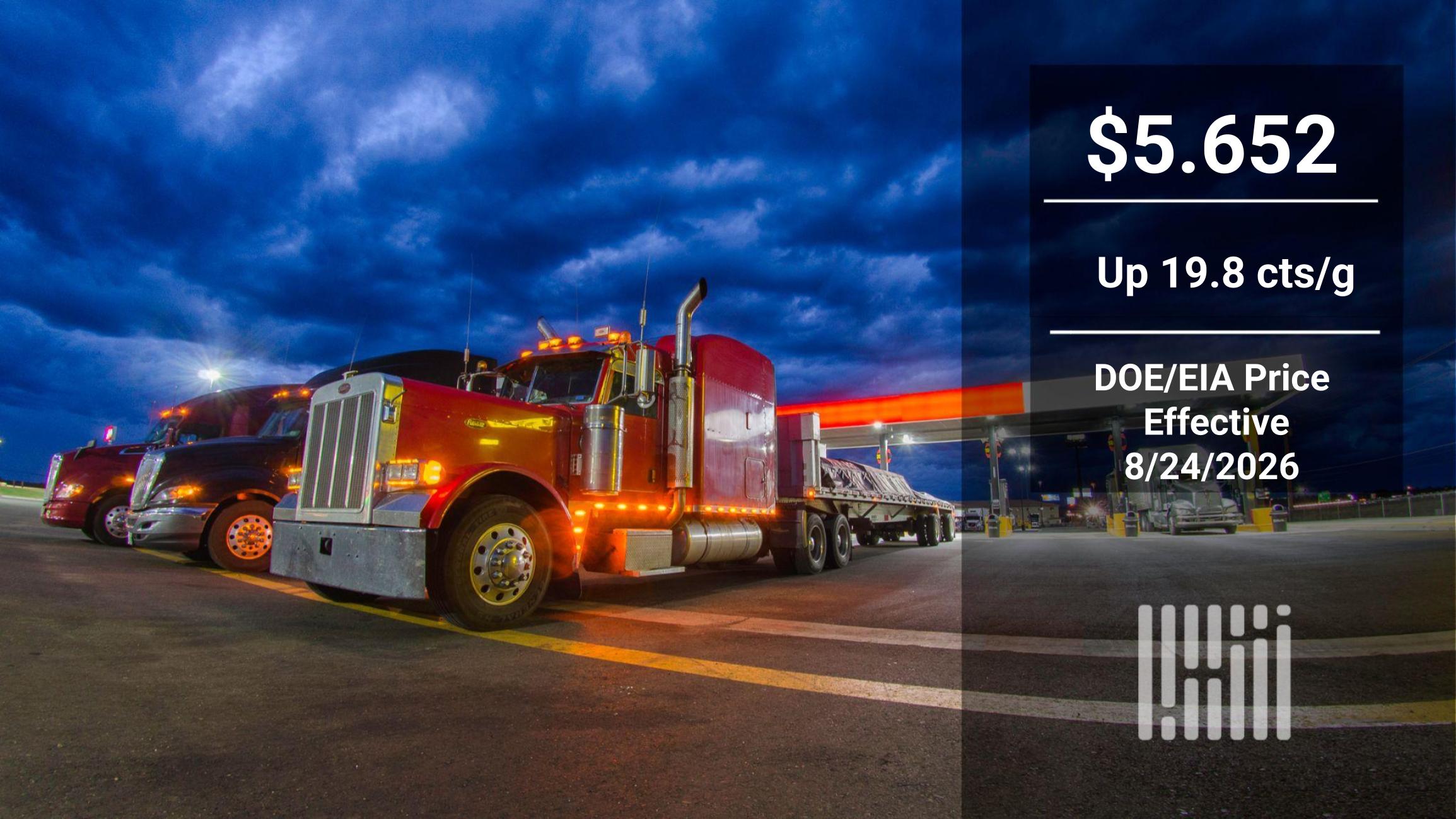
 Benchmark diesel price is now highest since war began
The DOE/EIA average weekly retail diesel price rose 19.8 cents/gallon to $5.652/g, its highest level since military action against Iran began in early March. ULSD futures on the CME reversed course, falling 22.72 cents/gallon after Treasury Secretary Scott Bessent signaled a shift to economic pressure on Iran. Bullish diesel-specific factors including Ukrainian strikes on Russian refineries continue to underpin the market.
 Commodities
 US-Iran War Oil Shock: How Long Can the World and India Absorb It?
The US-Iran war has caused one of the biggest oil supply disruptions in history, but crude prices have only spiked modestly so far, according to Business Today. The IEA released 400 million barrels from emergency reserves, while the EIA forecasts prices will stay elevated until early 2027. India and the global economy face an uncertain period if the conflict continues for another six months.
 Commodities
 Why Global Diesel Prices Are Soaring: War, Hurricanes & Drone Attacks
Wholesale diesel prices have climbed to roughly $180 a barrel, with Gulf Oil's Tom Kloza warning that a US Gulf hurricane could push them past $200. Drone strikes on refineries in Russia, Saudi Arabia and Libya have tightened an already short global refining market, while record US distillate exports and EIA-linked fuel surcharges add to the strain, according to FreightWaves.
 Commodities
 West Asia War Fallout: India Oil Product Exports Find New Markets
The West Asia crisis has opened several new markets for India's oil product exports, with Italy and Spain leading growth and Singapore and Tanzania overtaking traditional destinations. Oil products now account for a much larger share of exports to countries such as Tanzania, Sri Lanka, Singapore, Spain and France, according to Business-Today. The Indian government also imposed a windfall tax on certain products to check outward movement since the war began.
 Commodities
 BP posts $5.73bn quarterly profit as Iran war lifts Brent crude to $103.85
BP reported a $5.73bn quarterly profit, more than double a year earlier and its highest since the Russia-Ukraine war began, after the Iran war disrupted oil and gas flows through the Strait of Hormuz. Brent crude averaged $103.85 a barrel in the quarter, up from $67.88. CEO Meg O'Neill plans to sell Archaea and BP's North Sea business.
 Trade
Trade Exporters Flag Concerns Over West Asia War Impact on Trade and Logistics
Exporters in India have flagged serious concerns over the impact of the prolonged West Asia crisis on trade, citing uncertainty of orders, higher logistics costs, liquidity issues, and possible disruption of raw material supply chains. The issue was discussed during a meeting between Commerce and Industry Minister Piyush Goyal and export promotion bodies. Trade bodies like FIEO are demanding fresh measures to help businesses cope with the crisis.
 Logistics
 Asia-US Ocean Freight Rates Soar 234% Since February Amid Iran Conflict and Tariff Frontloading
Ocean container spot rates from Asia to the US have surged over 230% since the start of the Iran conflict in late February, driven by geopolitical disruption and tariff frontloading. While rates are now gradually softening, carriers are leveraging higher bunker costs to slow the decline. The peak shipping season appears to have ended early, and blank sailings are emerging.
 Logistics
 Triple-Pronged War Threat Intensifies for Global Shipping in Hormuz, Red Sea, and Black Sea
Shipping faces simultaneous crises: Iranian attacks in the Strait of Hormuz, Houthi strikes on tankers in the Red Sea, and Russia-Ukraine attacks halting Ukraine's maritime corridor. New US tariffs and climate disruption on European rivers compound the risks.
 Commodities
 Iran War Pushes Brent to $100, Oil Companies Fear Hit to Their Finances
Global benchmark Brent crude topped $100 per barrel for the first time in nine weeks amid renewed US-Iran conflict in West Asia. The disruption through the Strait of Hormuz and continued Houthi attacks on Bab el-Mandeb Strait have pushed prices up nearly 7% in a day. Indian oil marketing companies, already reeling from losses in the June quarter, face further financial strain as crude prices surge.
 Commodities
 Big Jump in Benchmark Diesel Price Is Second Largest Since Iran War Began
The DOE/EIA benchmark diesel price surged 33.8 cents/gallon to $5.134/g, marking the second-largest weekly increase since the start of the Iran war. Ultra low sulfur diesel (ULSD) on CME settled at $4.119/g, nearing a $1 gain from early July. Supply disruptions from the Strait of Hormuz and potential Houthi attacks on Saudi Arabia continue to fuel bullish sentiment.
 Logistics
 Cathay Pacific Halts Restart of Middle East Cargo Flights as US-Iran War Reignites
Cathay Pacific has postponed the resumption of passenger and freighter flights to Dubai and Riyadh, joining Cargolux in suspending service to multiple Middle East hubs after renewed US-Iran hostilities. The moves reduce available airfreight capacity and force longer, costlier routing, with global air capacity expected to tighten as airlines avoid the conflict zone.
 Technology
 Humanoid Robot Startup Backed by Eric Trump Prepares Bots for Military Combat
Foundation Future Industries, a startup backed by Eric Trump, is developing humanoid robots for military combat, logistics, and reconnaissance. The company has government contracts worth millions and has tested its Phantom MK1 robot with Ukrainian forces. Experts remain skeptical about the feasibility of fully autonomous robot soldiers.
 Commodities
 Oil market absorbs war shock through buffers but stocks run thin: IMF blog warns
The global oil market weathered the biggest supply disruption in decades after the Strait of Hormuz was closed due to war in West Asia, according to an IMF blog. Prices stabilized in the $90-100 per barrel range as demand compression, non-Gulf production increases, and inventory drawdowns offset the loss of about 20 million barrels per day. However, by end-May over 1.1 billion barrels had not reached market, and the IMF warns that buffers are now thin, leaving the world more vulnerable to future shocks.
 Logistics
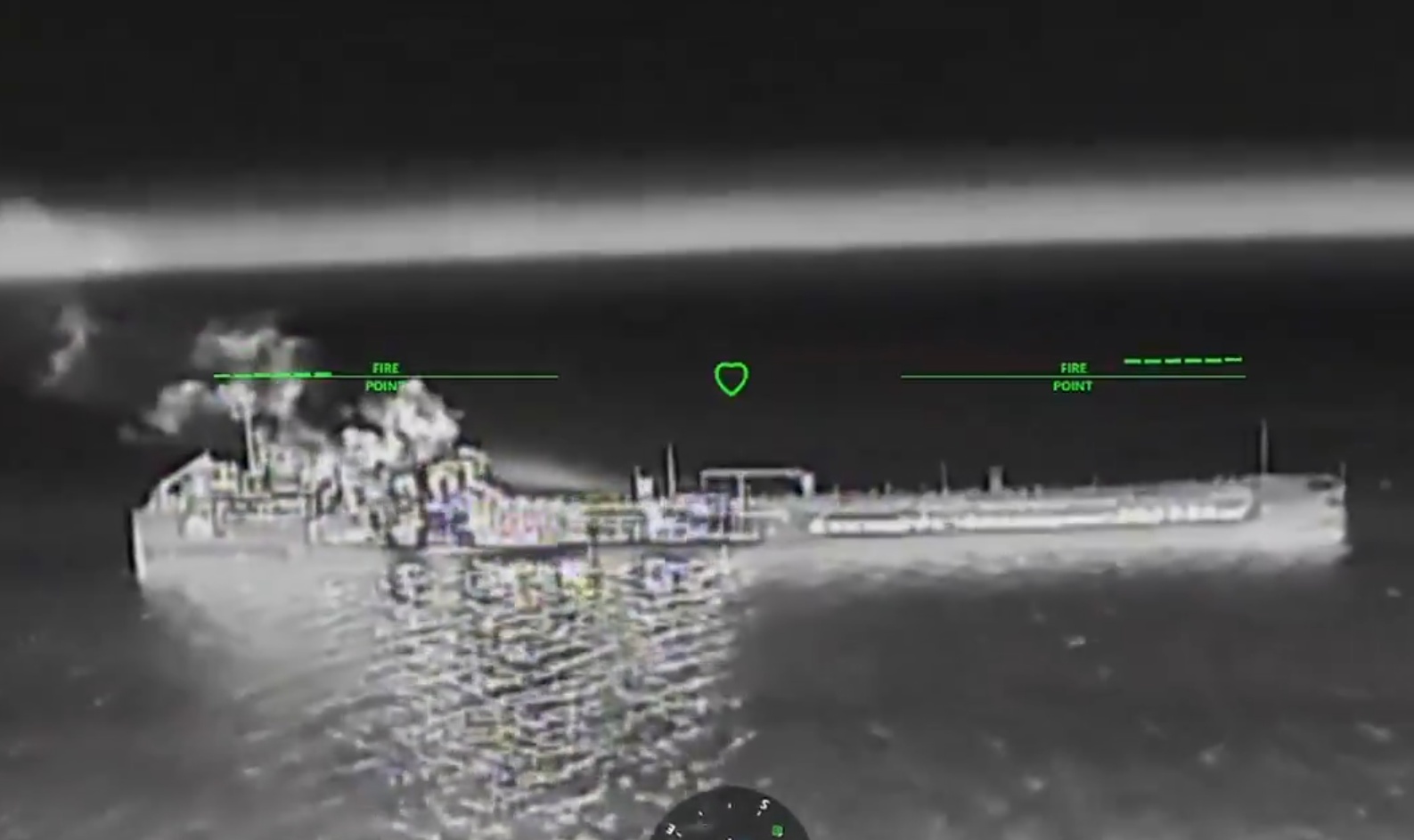
 Ukraine's Azov campaign hits 116 Russian vessels in nine days, eclipsing 1980s tanker wars
Ukraine has struck 116 Russian vessels in nine days in the Sea of Azov, a campaign that maritime security firm Ambrey says has surpassed the pace of the Iran-Iraq tanker war. The attacks, targeting tankers and cargo ships, aim to sever Russian logistics chains. Around a quarter of Russia's grain exports move through Azov ports, and diversions to the Black Sea and Baltic are already being considered. The IMO condemned the strikes, while seafarer casualties have been reported, including eight killed in Russian counterstrikes on Odesa.
 Logistics
 Five Seafarers Killed in Black Sea Drone Attack on Merchant Ship in Odesa Region
A Russian drone struck a merchant vessel discharging fertilisers at a port in Ukraine's Odesa region, killing five seafarers and injuring 12. The attack is one of the deadliest on commercial shipping in the conflict, and it follows a weekend of strikes on Chornomorsk that forced Kernel to suspend operations. The International Maritime Organization has condemned the attacks, warning that seafarers should not be casualties of war.
 Logistics
 Container Rates Near $9,000 on Asia-US East Coast as Iran War Flares
Container rates on the Asia-US trans-Pacific trade lane surged to nearly $9,000 per FEU on the East Coast, up 8% week-over-week, as renewed hostilities between the US and Iran disrupt shipping and delay Maersk's planned return to the Suez Canal. General rate increases and peak season surcharges have added over $3,000 per FEU since late May. Congestion is building at major Asian ports including Shanghai, Ningbo, Yantian, Singapore, Busan, and Colombo.
 Business
 Despite West Asia War, Real Estate Likely to See 10% Growth This Fiscal, Says CREDAI President
Shekhar G Patel, President of CREDAI National, stated that Indian real estate could see 10% growth this fiscal despite the West Asia war and potential price increases. Construction costs have surged 15-25% due to raw material price hikes, with new project prices possibly rising up to 10%. The housing market has shown 10-12% CAGR since 2021.
Iran's Inflation Surges to 88.6% as War Deepens Economic Crisis, Times of India Reports
According to a Times of India article, Iran's inflation rate has reached 88.6% as the country's war deepens the economic crisis. No further details are provided in the original report.
 Business
 War-Driven Commodity Inflation Will Take Time to Normalise, Says HUL Chairman Nitin Paranjpe
Hindustan Unilever chairman Nitin Paranjpe told shareholders that commodity inflation from the West Asia conflict will persist. HUL has raised prices 2-5% to counter 8-10% cost inflation while leveraging cost efficiency programs. The company is also focusing on quick commerce, AI, and premiumisation under new CEO Priya Nair.
 Commodities
 Global oil output to return to pre-Iran war level by year's end, US EIA says
The U.S. Energy Information Administration (EIA) reported that global oil output and trade flows should rebound fully by the end of 2026 from disruptions caused by the Iran war. The agency cut its Brent crude price forecast to $74/barrel for Q3, down from $85 in June and a previous estimate of $101. The easing of the Strait of Hormuz blockade after a preliminary U.S.-Iran deal has enabled increased vessel movement, and the EIA expects most shut-in Middle East production to return by Q1 2027, lowering fuel prices.
 Commodities
 India plans to cut reliance on West Asian oil after Iran war shock
India's state oil refiners are planning to reduce their reliance on the Middle East following the supply shock of the Iran war. Processors will lean more on spot-market purchases and trading house deals, and diversify supply from Guyana, Brazil, and the US. The country also plans to build strategic reserves to cover up to a month of domestic demand.
 Commodities
 Crude Oil Dips Below $75/barrel as Strait of Hormuz Reopens but Full Recovery May Take Time
Crude oil prices fell below $75/barrel on Wednesday after the Strait of Hormuz reopened, but remain above pre-conflict levels. Brent traded near $73.4/barrel, while the Indian oil basket was at $74.34. S&P Global Energy and JP Morgan provide cautious outlooks, citing volatile prices and potential upward pressure from declining inventories.
 Commodities
 Strait of Hormuz oil flows may recover to only 70% after war: Goldman Sachs
Goldman Sachs analysts predict that oil flows through the Strait of Hormuz may recover to only about 70% of pre-war levels, even after the US-Iran deal reopens the waterway. Regional producers like Saudi Arabia, UAE, and Iraq have increased reliance on alternative pipelines, and the UAE is pursuing a plan to eliminate Hormuz dependency entirely.
 Trade
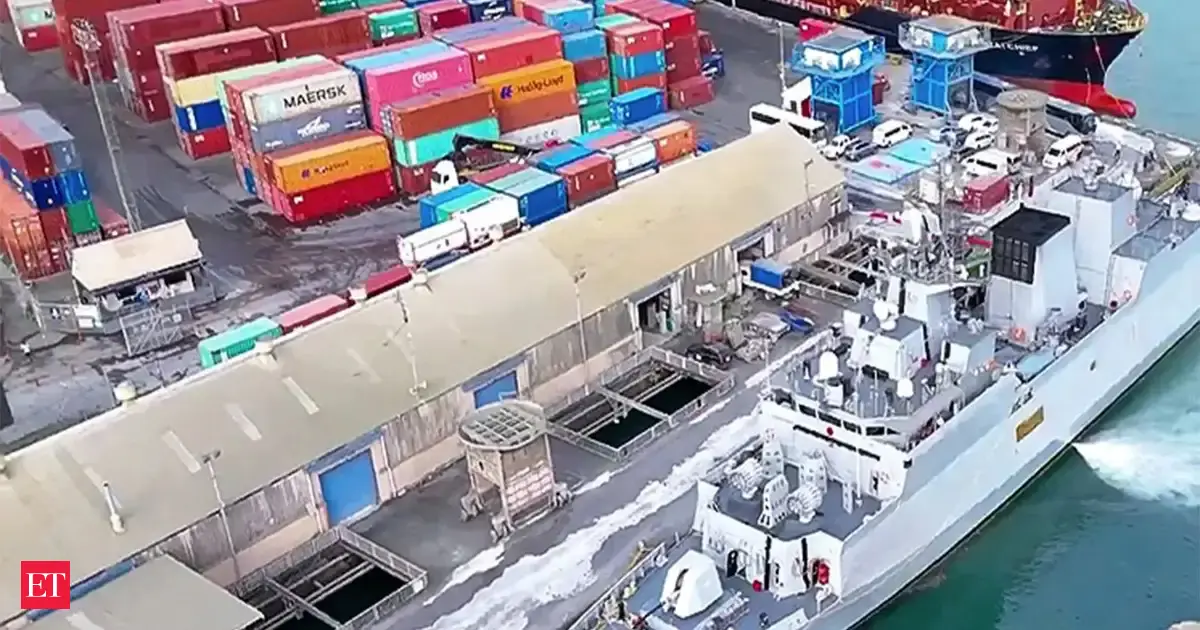
Trade From Oman to Tanzania: How the Iran War Is Redrawing India's Trade Map
The Iran conflict and Strait of Hormuz disruptions are redrawing India's trade map. Oman jumped from 30th to 10th import source (imports up 3.8x to $3.4 billion), while Tanzania became the 8th-largest export destination (up from 25th, shipments rising to $2.2 billion). Commerce Secretary Rajesh Agrawal cited free trade agreements and alternative port access as key enablers.
 Commodities
 Iran War Disrupts Middle East Oil Supply, Driving Volatility in Crude and Refined Product Prices
The US-Israel war with Iran has disrupted Middle East oil production and transportation, leading to volatile wholesale crude prices. Petrol hit an Iran-war peak of 159.53p/litre in May, while diesel peaked at 191.54p/litre in April. RAC data shows current prices slightly lower, with further falls expected. The war's impact on oil flows through the Strait of Hormuz remains a key risk.
 Commodities
 US Strategic Petroleum Reserve Falls to Lowest Level Since 1983 Amid Iran War
The US Strategic Petroleum Reserve fell to 340.3 million barrels as of June 12, 2026, its lowest since July 1983, as the Trump administration continues emergency releases to mitigate economic damage from the war with Iran. The reserve has dropped 75 million barrels (18%) since the conflict began in late February. Officials warn the stockpile must remain at least 20% full to be operational.
 Commodities
 Iran War Disruption: An Energy Shock or a Turning Point for Global Markets?
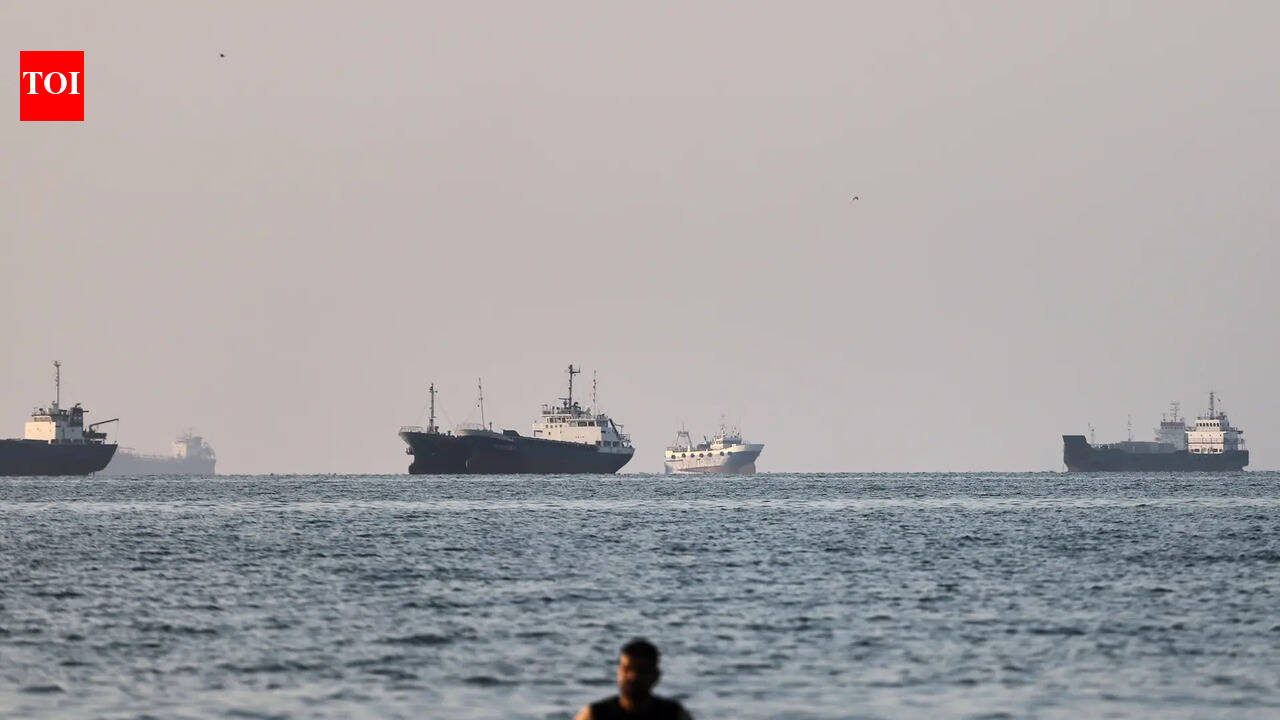
The Iran war has removed at least 1 billion barrels of crude and 20% of global LNG from markets through the Strait of Hormuz closure. A U.S.-Iran peace deal now promises to reopen the waterway, but the crisis may accelerate long-term shifts toward electric vehicles and renewables, as seen in record EV sales in Australia and China.
 Trade
Trade How West Asia Conflict Reshapes India's Trade Map: Oman Surges, UAE Slips
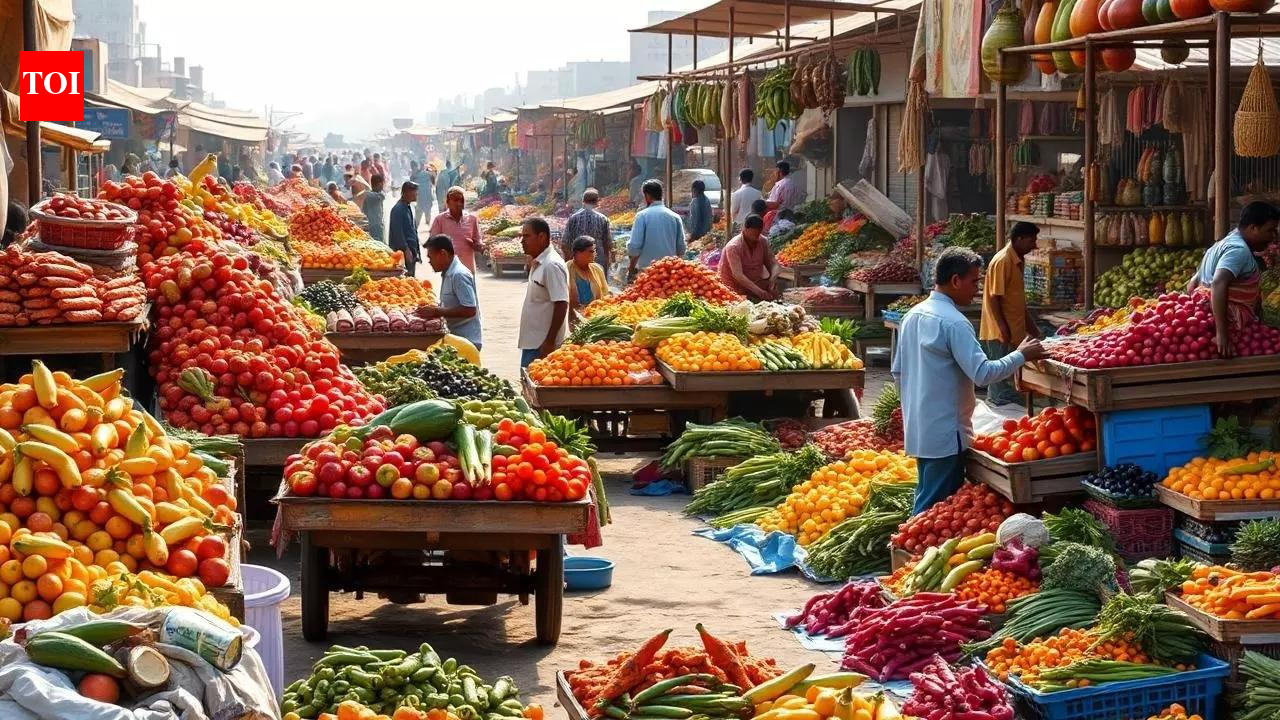
India's trade map has been transformed by the West Asia conflict. In April-May 2026, Oman surged from the 30th to the 10th largest import source, while the UAE slipped to fourth place. Singapore overtook China and the Netherlands to become India's third largest export destination. The blockade of the Strait of Hormuz has made Oman a transit gateway, supported by a new free trade agreement.
 Business
 US-Iran War Impact: India's Retail Inflation Rises Marginally to 3.93% in May, Food Inflation Edges Up to 4.78%
According to a Business Today report, India's retail inflation edged up to 3.93% in May 2026 from previous months, while food inflation rose to 4.78%. The report attributes the marginal rise to impacts from the US-Iran conflict, though no detailed trade or customs data was provided.
 Commodities
 Oil Prices Jump Over 3% as Iran-Israel Conflict Resumes, Straits of Hormuz Threatens Supply
Oil prices surged more than 3% on Monday as the Middle East crisis crossed 100 days with renewed Iran-Israel hostilities. WTI crude rose to $93.87/barrel and Brent to $96.36/barrel. OPEC+ approved a 188,000 bpd output increase for July, but analysts doubt it will ease supply fears due to the Strait of Hormuz blockade.
 Business
 Strong Consumption Drives Steady Growth Amid Iran Conflict Costs
India's economy maintains steady growth driven by strong domestic consumption, despite challenges from the West Asia conflict. The government is focusing on attracting foreign investment and asset sales to boost revenue.
 Commodities
 India's Oil Demand Growth Hits Pandemic Low Amid Middle East Conflict
India's oil demand growth is projected to hit its lowest level since the pandemic due to the Middle East conflict. The surge in energy prices and a weaker currency are pressuring the economy, with state refiners struggling to maintain competitive pricing.
 Trade
Trade India's Rice Exports Hit by Iran Conflict
India's rice exports dropped 1.3% in early 2026 due to the Iran conflict affecting basmati shipments to the Gulf. Rising shipping costs and delays have stalled new deals.
 Trade
Trade Iran Conflict Reshapes Persian Gulf Food Trade
The Iran conflict is reshaping food systems in the Persian Gulf, emphasizing the need for shorter, diversified supply chains. The UAE, heavily reliant on imports, is adapting through technology and local sourcing.