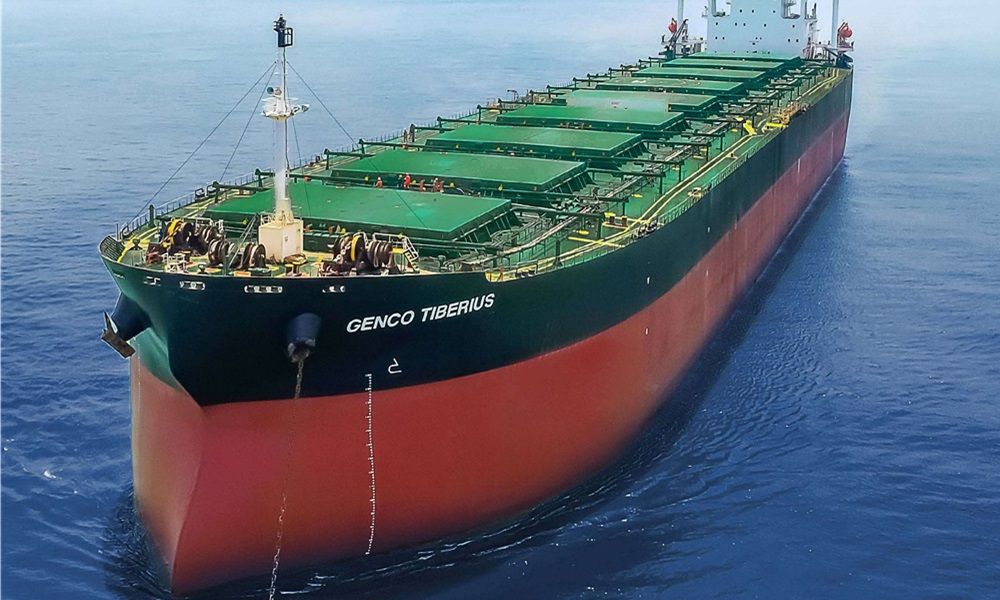
The boardroom battle between dry bulk owners Diana Shipping and Genco Shipping & Trading has taken a new turn, with Diana sharply reducing its challenge ahead of Genco’s annual meeting on June 18. The outcome could influence the future ownership and strategic direction of two significant players in the dry bulk sector, with potential implications for chartering strategies and vessel availability in the hands of logistics managers and freight forwarders who rely on these carriers.
The Proxy Contest Details
According to Splash247, Diana Shipping, which owns about 14.4% of Genco, withdrew four of its six director nominees, leaving only former Eagle Bulk CEO Jens Ismar and shipping executive Paul Cornell standing for election to Genco’s board. Diana launched the campaign earlier this year after its tender offer to buy the remaining shares it does not already own was unanimously rejected by Genco’s board.
All three major proxy advisory firms — ISS, Glass Lewis and Egan-Jones — recommended that shareholders support Genco’s full slate of director nominees and withhold votes from Diana’s candidates. The table below summarises their positions:
| Advisory Firm | Recommendation for Board | Recommendation on Rights Plan |
|---|---|---|
| ISS | Support Genco slate | Vote against continuation |
| Glass Lewis | Support Genco slate | Support retention |
| Egan-Jones | Support Genco slate | Support retention |
In announcing the withdrawal, Diana argued that adding Ismar and Cornell would strengthen Genco’s board with directors possessing significant shipping, capital allocation and public company experience. The company maintained that shareholders should have a stronger voice in evaluating strategic alternatives and capital allocation decisions.
Implications for the Dry Bulk Market
Diana also reiterated that the future of its tender offer is tied to the outcome of the board election. “If shareholders do not elect Ismar and Cornell, Diana intends to reassess its investment in Genco, including whether to continue its tender offer,” the company said, according to Splash247.
Genco responded swiftly, stating that the withdrawal of four nominees “is a clear acknowledgement of the lack of support for Diana’s campaign.” Genco again defended its rejection of Diana’s offer, noting that all three proxy advisers broadly agreed the proposal undervalued Genco relative to its net asset value and long-term prospects.
Shipping analysts at Swedish investment bank SEB commented that the latest developments suggest Genco management is now firmly in the driving seat heading into the shareholder vote. “With proxy advisor support firmly behind Genco’s board, a management victory on June 18 appears the most likely outcome, after which the bid is likely to be withdrawn and near-term pressure on GNK’s share price should be expected as the overhang of Diana potentially unloading its position would weigh on the stock,” SEB said. However, they added: “We would look to use any potential share price weakness as an opportunity to accumulate, as the focus shifts away from the proxy war and back towards the solid fundamental dry bulk story that underpins our buy rating and $28.1 target price.”
Watch List: Key Dates and Potential Outcomes
- June 18, 2026: Genco’s annual general meeting and shareholder vote on board members. If Diana’s remaining nominees are not elected, Diana may withdraw its tender offer and potentially sell its 14.4% stake, which could pressure Genco’s stock price in the near term.
- Post-vote: Should Diana’s campaign fail, the immediate focus for the dry bulk sector will shift back to fundamentals. For logistics operators, a stable Genco management team under the current board means continuity in chartering and fleet deployment, while any overhang from Diana’s possible exit could create short-term volatility in dry bulk rates.
- Potential tender offer revival: If Ismar and Cornell are elected, Diana may push for renewed evaluation of its offer or alternative strategic moves. Shippers and forwarders should monitor any changes in vessel supply or contract renegotiations that could stem from altered board dynamics.
Sources: