The U.S. Department of Transportation today unveiled the American Supply Chain Sovereignty Initiative, a program to pre-screen import containers as a way to streamline freight movement through the supply chain, according to a FreightWaves report on June 12, 2026. The project would feature a dashboard connecting logistics hubs, transportation providers and retailers.
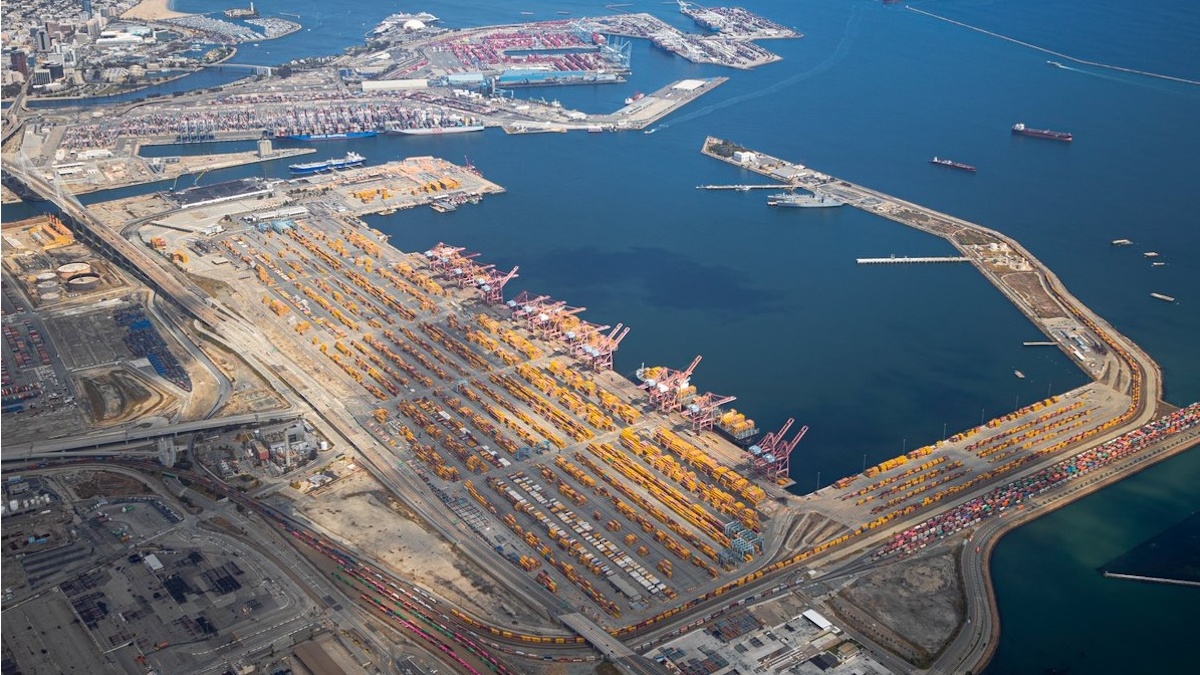
Transportation Secretary Sean Duffy made the announcement during a visit to the Port of Los Angeles on Friday. In a DOT release that did not explicitly mention pre-screening, the department stated: “A more transparent supply chain will accelerate cargo processing, lower logistics costs, and empower America’s transportation workforce.” Duffy later revealed the screening proposal in a press conference, comparing it to reduced airport security waiting times for pre-screened travelers.
The Container Inspection Gap
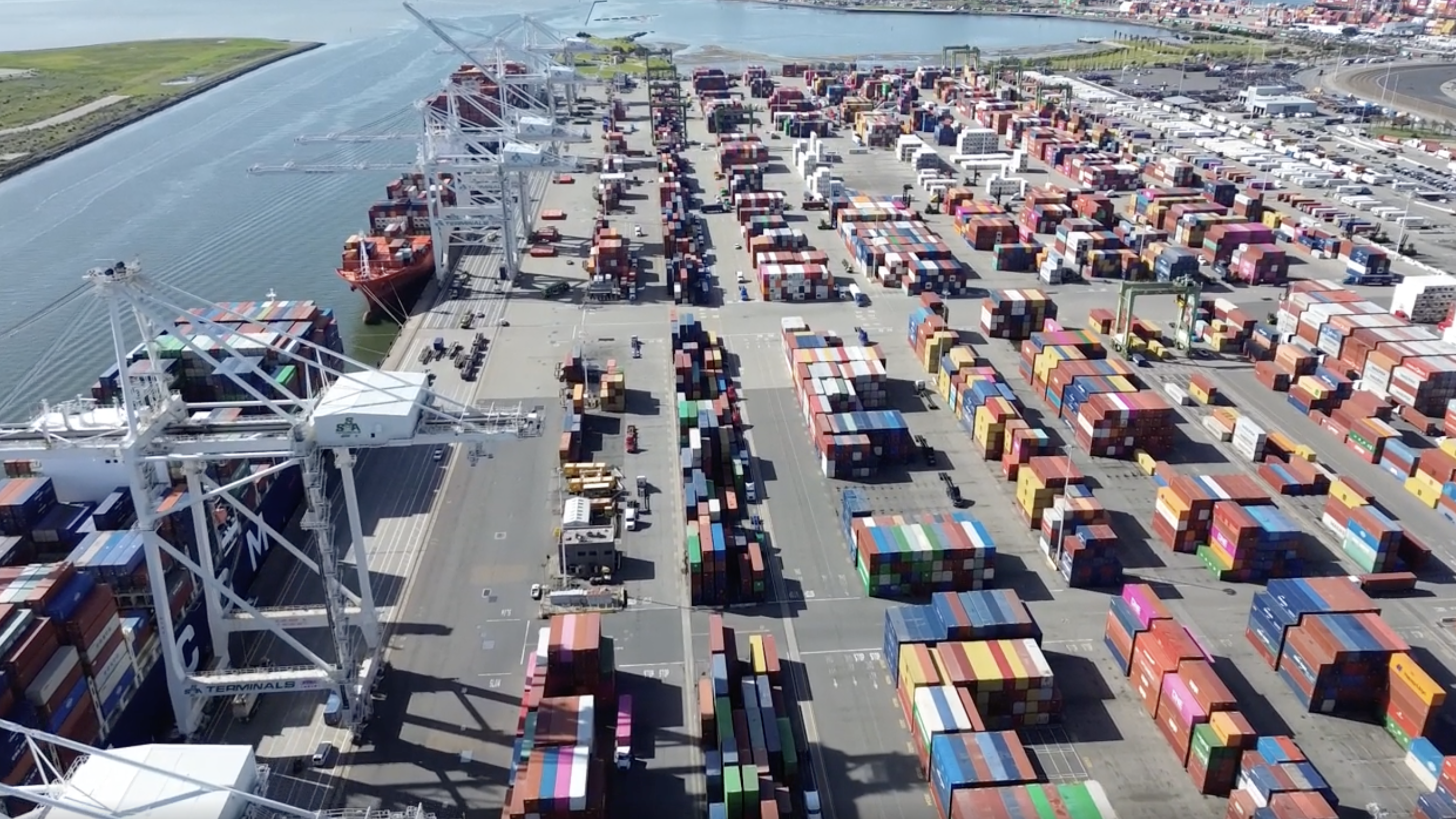
Nearly 52 million containers were processed at U.S. ports in 2025, with the majority moving through the 10 biggest gateways such as Los Angeles. Currently, U.S. Customs and Border Protection physically inspects only 3-5% of all containers at ports, and importers bear the cost of cargo exams. The new initiative aims to increase transparency and efficiency by expanding pre-screening to reduce delays.
| Metric | Value |
|---|---|
| Containers processed at U.S. ports (2025) | ~52 million |
| Portion physically inspected by CBP | 3-5% |
| Cost of cargo exams | Borne by importers |
Political and Economic Context
The rollout comes amid growing public backlash over soaring prices for food, gas and other staples, and polls showing voter approval cratering over President Donald Trump’s handling of the economy. There is growing sentiment that the affordability issue could cost Republicans their majority in the House of Representatives, and possibly the Senate, in upcoming midterm elections.
“When it comes to our supply chains, time is money,” said Duffy. “Fewer delays mean lower costs throughout the entire supply chain. The American Supply Chain Sovereignty Initiative will prevent bottlenecks, move freight faster, and deliver goods more affordably for the American people.”
Duffy did not specify how much the initiative would cost. He called on Congress to include legislation in this year’s National Defense Authorization Act, “giving DOT the framework and flexibility required to securely streamline national logistics.”
Building on Existing Programs
The initiative will build on the Freight Logistics Optimization Works (FLOW) program and the National Freight Strategic Plan, initiatives launched during the presidency of Joe Biden, Duffy said. FLOW was created to improve data sharing among supply chain stakeholders, while the National Freight Strategic Plan aimed to guide federal freight policy.
Implications for Trade Professionals
For importers, exporters, customs brokers and logistics executives, the pre-screening proposal could reduce the time containers spend awaiting inspection at ports, lowering demurrage and detention charges. However, the cost of implementing pre-screening—potentially including technology upgrades and data-sharing requirements—remains unclear. Companies should monitor legislative developments in the NDAA and prepare for possible dashboard integration. The initiative's success will depend on how quickly Congress acts and how widely the voluntary pre-screening program is adopted by shippers and carriers.
What to watch: The inclusion of the initiative in the final version of the National Defense Authorization Act later this year.
Sources: