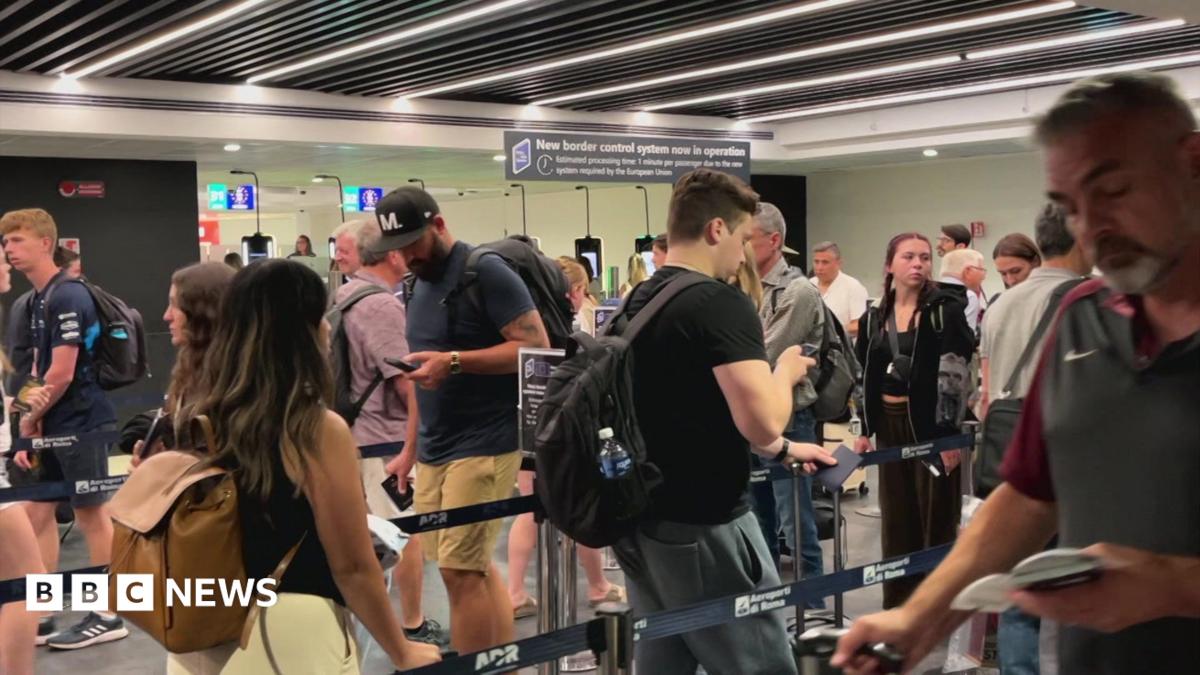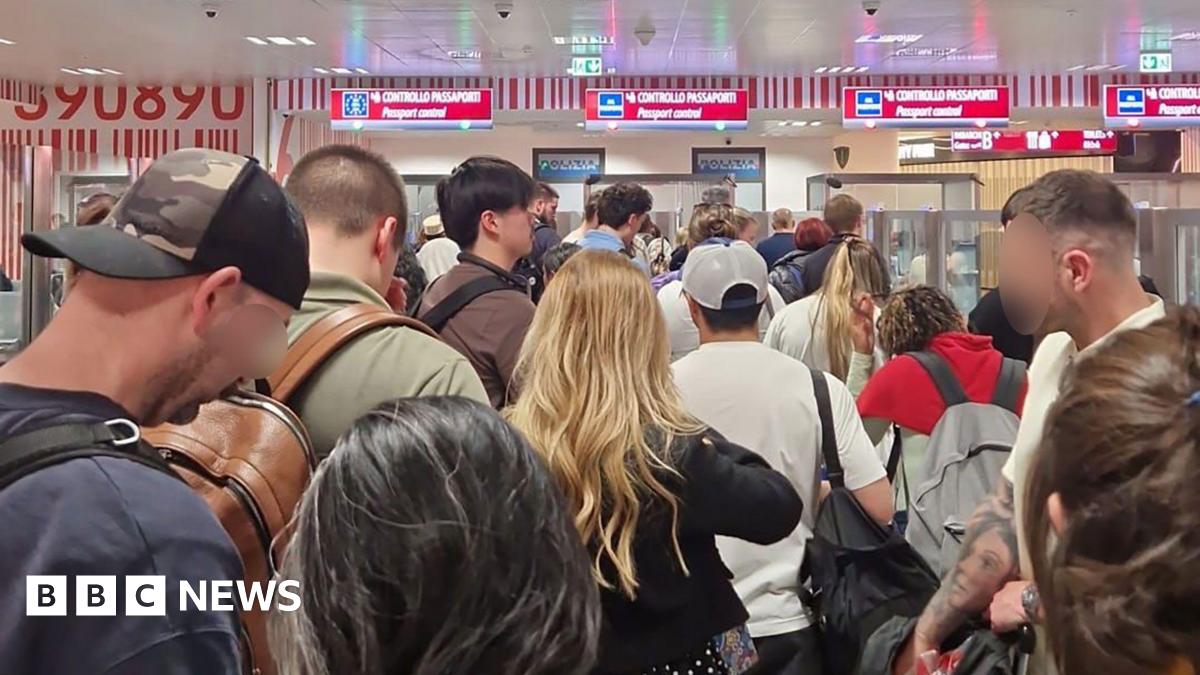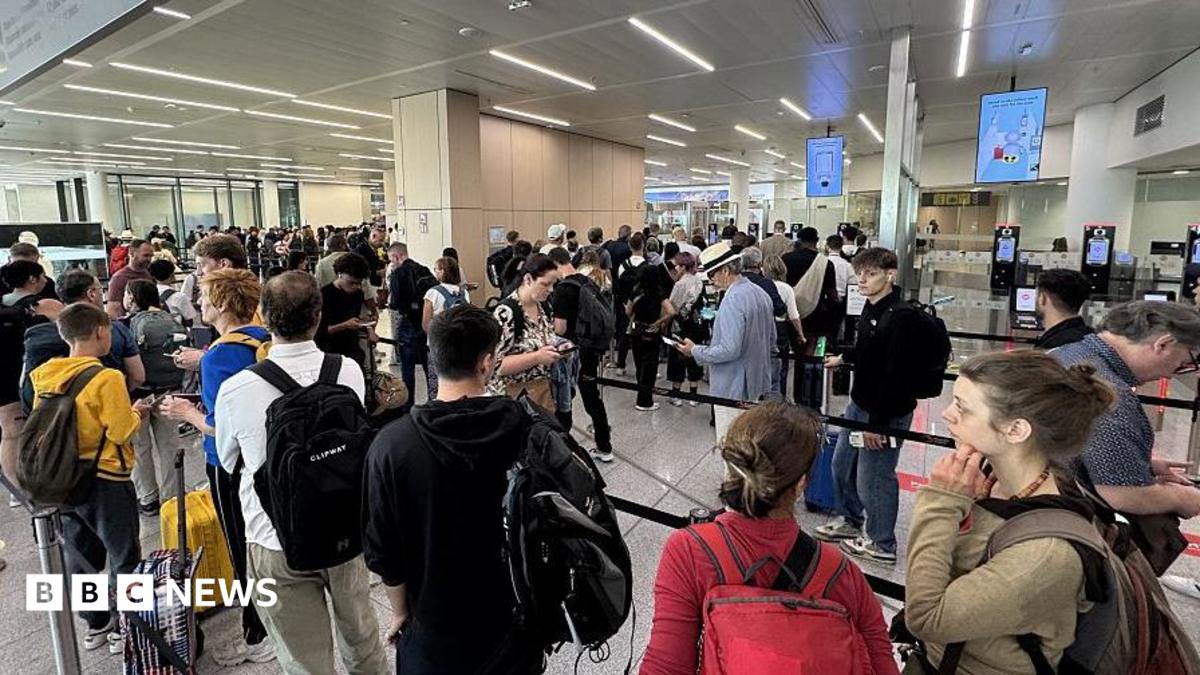
EU border delays caused by the new digital Entry-Exit System (EES) are creating queues of up to two hours for non-EU nationals at major airports, with the boss of Berlin Airport warning the situation is 'not bearable over the summer'.
Entry-Exit System Rollout
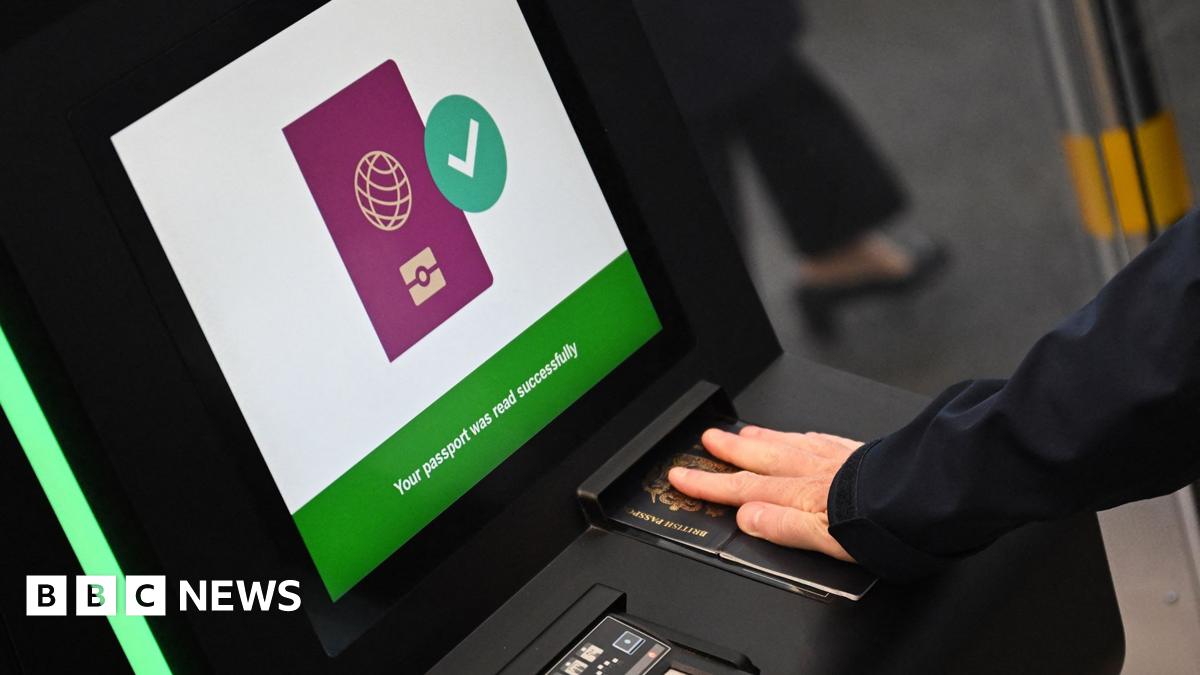
The EES, which requires travellers from outside the EU to register biometric information when entering and leaving most European countries, has been fully operational since April 2026, according to the BBC. The system is designed to modernise border control, enhance security, and eventually smooth travel. However, airports and airlines report that the system is not working effectively.
Affected Airports and Queues
Aletta von Massenbach, CEO of Berlin Airport, told the BBC that at one terminal in Berlin—where Ryanair and Wizz Air operate—waiting times can run between 'an hour to two hours'. She noted that EU countries use different subsystems, complicating processing. 'There are so many sub-systems for each and every member state,' she said. 'We see that the complexity doesn't really support smooth processing at the border.'
Passenger Anne Robinson from Dunbarton described her experience at Rome Fiumicino Airport. She and her 13-year-old son missed their flight home from Rome due to EES queues. On arrival, they queued for about 90 minutes to enter Rome. On departure, they arrived three-and-a-half hours early but faced up to 90 minutes at EES exit checks, with most machines out of order. 'By the time we got through, we unfortunately missed the flight,' she said. The replacement flight two days later cost £250, and travel insurance rejected her claim. She said, 'I'm not going back to Europe this year. That was too stressful.'
Industry Reactions
Industry groups have voiced concerns. Airlines UK and Airlines for America said the EES rollout had been inconsistent. They added that 'with peak summer travel approaching and the system not yet working as it should, airlines need the commission and member states to get serious about contingency measures and take a pragmatic look at whether the current timeline is realistic.'
Steve Heapy, CEO of Jet2, described the policy as 'so baffling' (source text truncated). The European Commission (EC) has stated it is willing to offer more support.
| Stakeholder | Position |
|---|---|
| Aletta von Massenbach, Berlin Airport CEO | Waiting times up to 2 hours; system complexity hinders processing |
| Airlines UK & Airlines for America | Rollout inconsistent; need contingency measures |
| Steve Heapy, Jet2 CEO | Policy 'baffling' (full quote not available) |
| European Commission | Willing to offer more support |
Implications for Logistics Operations
While the EES primarily affects passenger travel, the delays at major EU hubs such as Berlin, Rome, and Brussels also have indirect implications for logistics. Crew movements for air cargo operators may be disrupted, and courier shipments relying on passenger networks could face delays. Freight forwarders should monitor border processing times at airports used for time-sensitive shipments, particularly as summer travel peaks. The inconsistent implementation across member states adds uncertainty for logistics planning.
Watch List
- Peak summer travel season (July-August 2026) could exacerbate queues.
- Potential additional support or contingency measures from the European Commission.
- Further reports of missed flights and passenger compensation claims.
Sources: