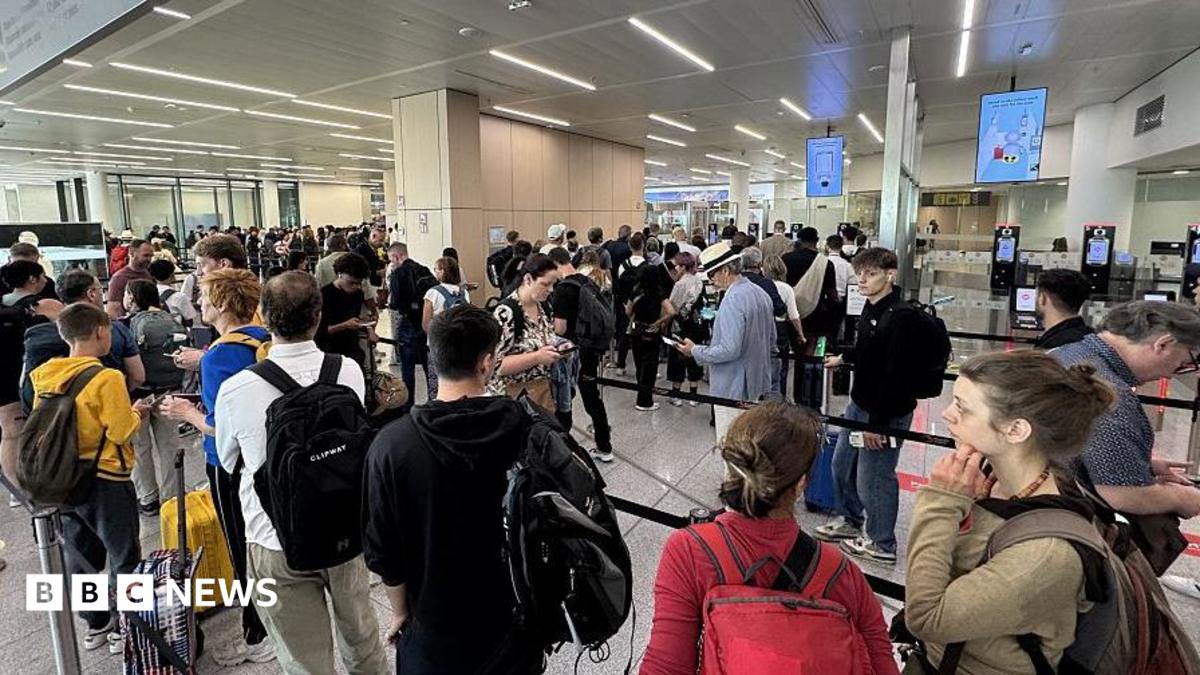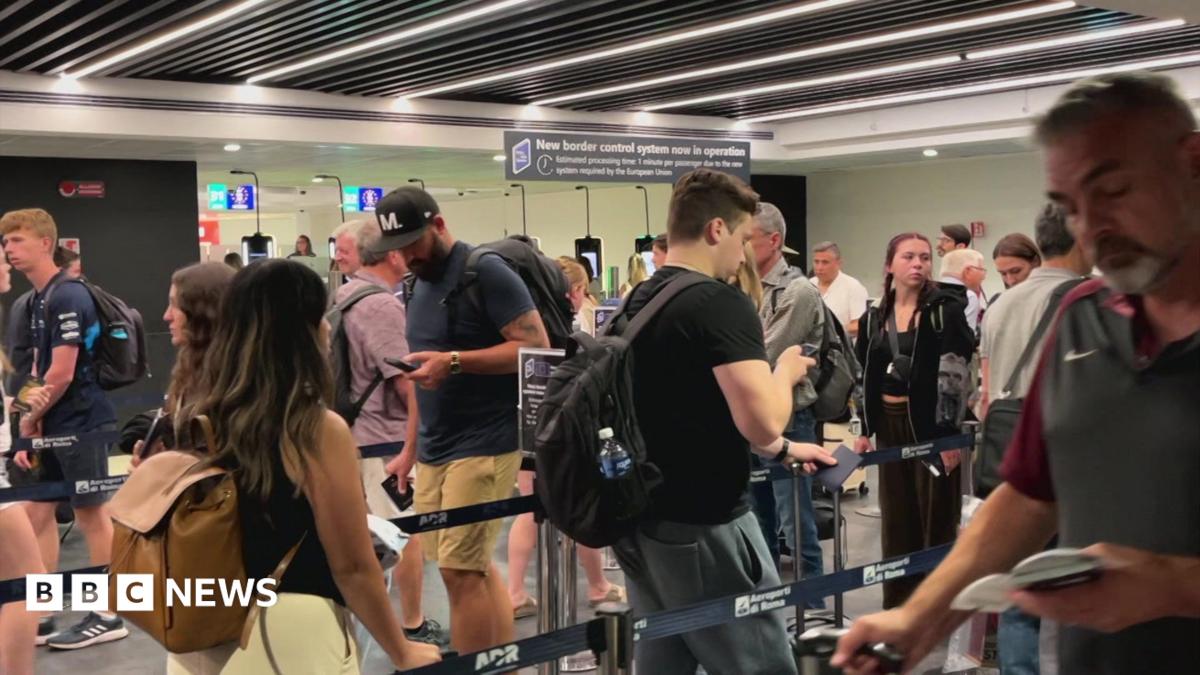
The EU's new Entry Exit System (EES) has nearly tripled the time UK nationals take to clear passport control at Rome's Fiumicino Airport, even after improvements, according to the airport's chief aviation officer. The system, which requires non-EU citizens entering the Schengen Area to register fingerprints and a photo upon arrival, has caused hours-long queues across European airports, with some passengers missing flights. Ryanair has warned UK travellers to allow extra time for their journeys this summer.
Impact at Rome's Fiumicino Airport
According to Ivan Bassato, Chief Aviation Officer at Rome's Fiumicino Airport, the integration of EES with existing e-gates "improved things significantly" but the overall process remains slower. Before EES, UK nationals took about seven minutes to pass through border control; now the average is 20 minutes. Bassato said the airport prides itself on being well-equipped with technology, so it was "absolutely not okay" with waits of one or two hours. The airport spent €12 million ($13.7 million, £10.2 million) on standalone self-service kiosks but found them impractical for large volumes; UK nationals now register fingerprints and photos at passport e-gates instead, except for children under 12 who must see a border officer.
Ryanair Warns of Summer Disruption
Ryanair, Europe's largest low-cost carrier, called the EES rollout a "failed" system causing unnecessary delays and long queues. The airline advised UK passengers to "allow extra time for their journey and be prepared for extended waits at passport control." Flights from the UK to popular European destinations like Rome, Barcelona, and Faro have been affected.
Faro Airport and European Commission Response
Border police at Portugal's Faro airport told the BBC the EES technology suffered from "bugs" but insisted any queues there would go down quickly. The European Commission (EC) said that in most EU airports disruption is limited and added that it "will continue to support member states in the system's implementation" to the fullest extent possible. The EES has been phased in since October across 29 Schengen countries.
Passenger Experiences
Passengers interviewed by the BBC described long waits. Carl, travelling from Yorkshire with young children, waited two hours after landing at Fiumicino. US visitors David and Marlo waited about an hour, causing them to miss their pre-booked car. At Barcelona airport, one group reported passport control taking 45–50 minutes because some machines were not working; another passenger said the queue was nearly as long as her flight time.
Implications for Freight and Logistics
While the EES primarily affects passenger travel, customs clearance timelines for freight could see indirect delays if border resources are diverted or if new procedures cause bottlenecks at entry points used by cargo couriers. Logistics operators moving goods across EU borders should monitor the situation at key air freight hubs such as Rome, Barcelona, and Faro, where passenger congestion may affect cargo processing capacity. The EC's support for member states may lead to technical improvements, but the 20-minute average at Fiumicino indicates that clearance times could remain elevated for the foreseeable future.
| Airport / System | Pre-EES Clearance Time | Post-EES Clearance Time | Increase |
|---|---|---|---|
| Fiumicino (UK nationals) | 7 minutes | 20 minutes | ~186% |
Watch List
- Further statements from the European Commission on technical fixes or procedural changes.
- Reports from other major EU entry airports (e.g., Paris CDG, Amsterdam Schiphol) on queue times and system reliability.
- Ryanair and other airlines' operational adjustments (e.g., schedule changes, passenger advisories).
- Potential impacts on air cargo customs clearance if passenger processing consumes border officer capacity.
Sources: