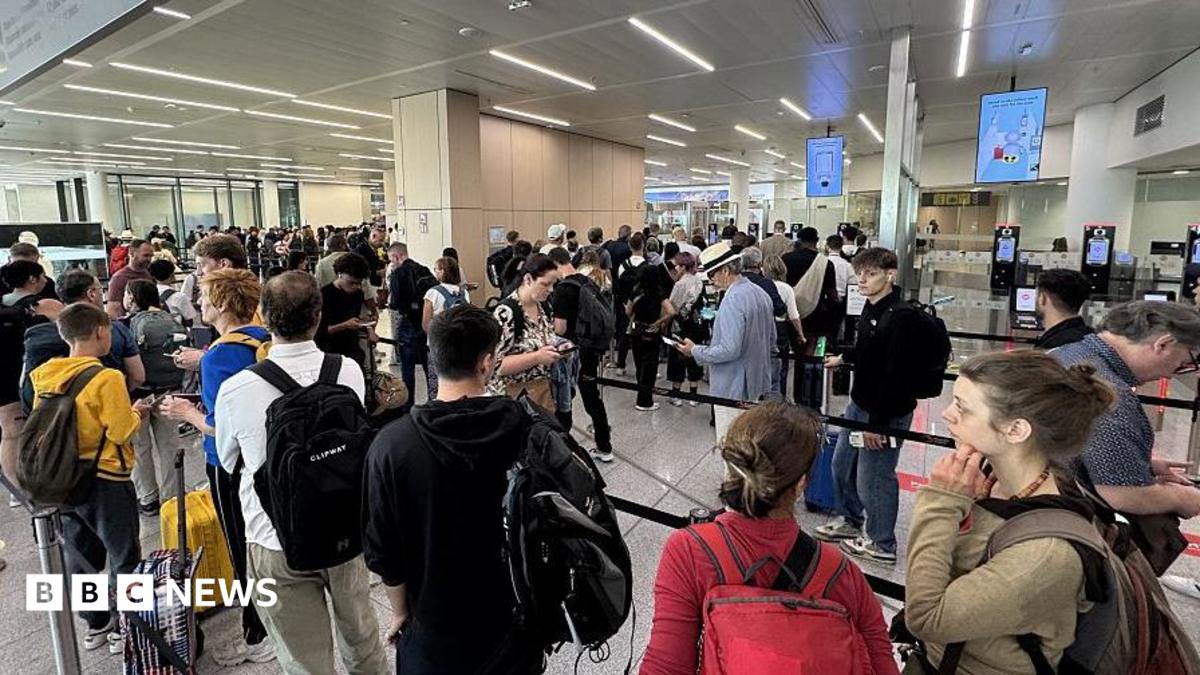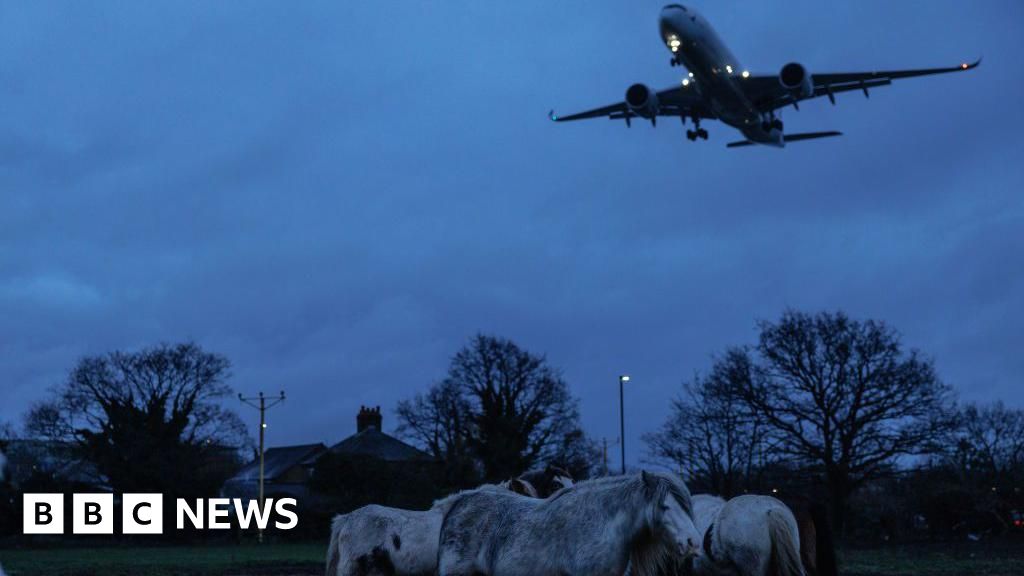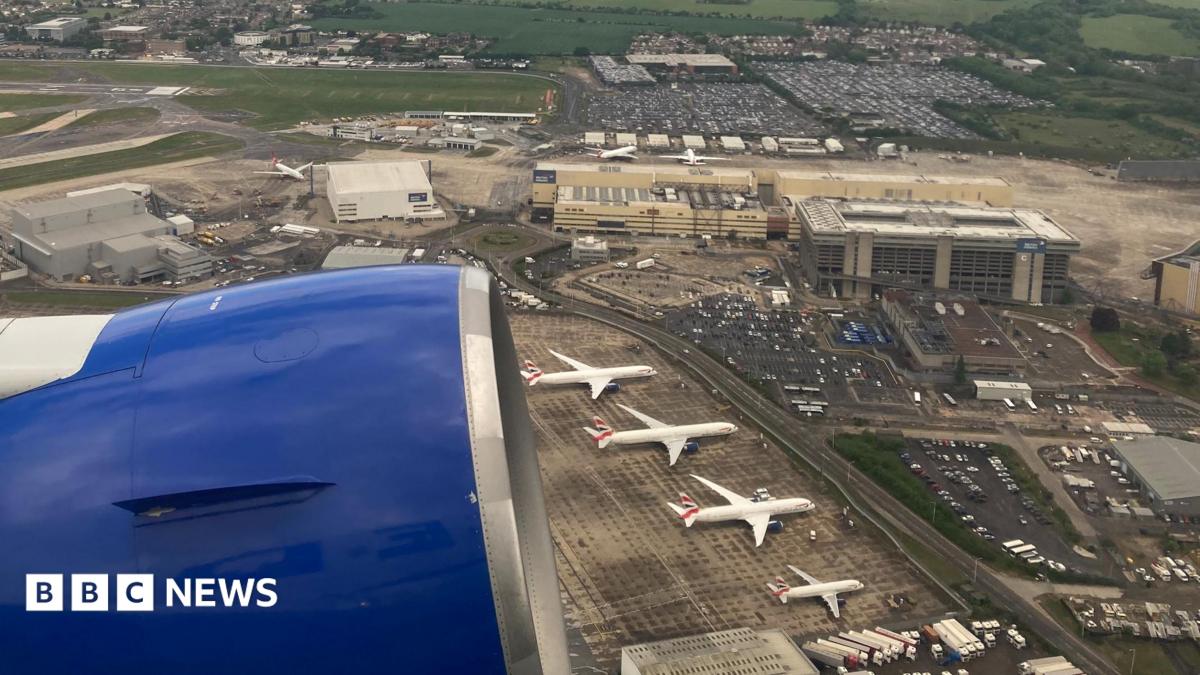
London Heathrow has lost its position as Europe's busiest airport to Istanbul Airport, with July passenger figures of 7.86 million at the west London hub against 8.15 million at Istanbul Airport in Turkey's largest city, according to BBC News.
BBC News reported that the US-Israel conflict with Iran has had an impact on Heathrow's passenger traffic, with Middle East routes in July down 20.2% year-on-year. Annual figures from trade body Airports Council International show Heathrow was Europe's busiest airport from 1996 to 2019. It lost that title in 2020 amid coronavirus travel restrictions before regaining it in 2023, holding it ever since.
The July passenger numbers
| Airport / route | July figure | Change / note | Source |
|---|---|---|---|
| Istanbul Airport | 8.15 million passengers | Topped Europe for the month | BBC News |
| London Heathrow | 7.86 million passengers | Four terminals | Heathrow, via BBC News |
| Heathrow Middle East routes | — | Down 20.2% year-on-year | BBC News |
| Heathrow full-year 2025 | 84.46 million passengers | — | BBC News |
| Heathrow busiest day (19 July) | 267,000 passengers | Schools' summer break | BBC News |
The gap between the two airports in July was roughly 290,000 passengers, enough to flip a ranking Heathrow has held in most years since 1996, according to Airports Council International data cited by BBC News.
Why Heathrow slipped
BBC News linked the decline to the impact of the US-Israel conflict with Iran on Heathrow's passenger traffic, with Middle East routes down 20.2% year-on-year in July. The airport's history as Europe's busiest hub shows how sharp the swings can be: it held the title from 1996 to 2019, lost it in 2020 during coronavirus travel restrictions, regained it in 2023, and had held it since.
Runway capacity and the third runway push
Heathrow continues to operate its two runways at near-full capacity and is seeking government permission to build a third, according to BBC News. An expansion proposal by the airport's owners would enable it to accommodate 150 million passengers per year. Heathrow said "the case for expansion has never been clearer".
"Our plans will ensure the country gets the infrastructure it needs to stay competitive and will deliver all-important economic growth." — Heathrow statement, as reported by BBC News
BBC News also reported that Heathrow said 19 July was its busiest day of the year so far, with 267,000 passengers passing through as many schools broke up for summer. The airport added that several new airlines began serving it last month, which it said demonstrates "clear demand for access to Heathrow".
Airline charges and operator impact
Last month, it was revealed that Heathrow will be allowed to charge airlines more for its services to recover money spent on the early stages of its third runway project, according to BBC News. For airlines and freight operators using the hub, that means higher charges are being layered onto an airport already running its two runways at near-full capacity. The July ranking switch to Istanbul is a competitive signal, and Heathrow's own response is to point to new airline entries and its expansion plan as evidence of demand for access.
Watch list
- Third runway decision: Heathrow is seeking government permission, and its owners' proposal would raise capacity to 150 million passengers per year.
- Airline charges: Heathrow will be allowed to charge airlines more to recover early-stage third-runway costs, BBC News reported last month.
- Middle East routes: July traffic fell 20.2% year-on-year, with BBC News attributing the impact to the US-Israel conflict with Iran.
- New airline entries: Heathrow said several new airlines began serving the airport last month, signalling "clear demand for access to Heathrow".
Sources: