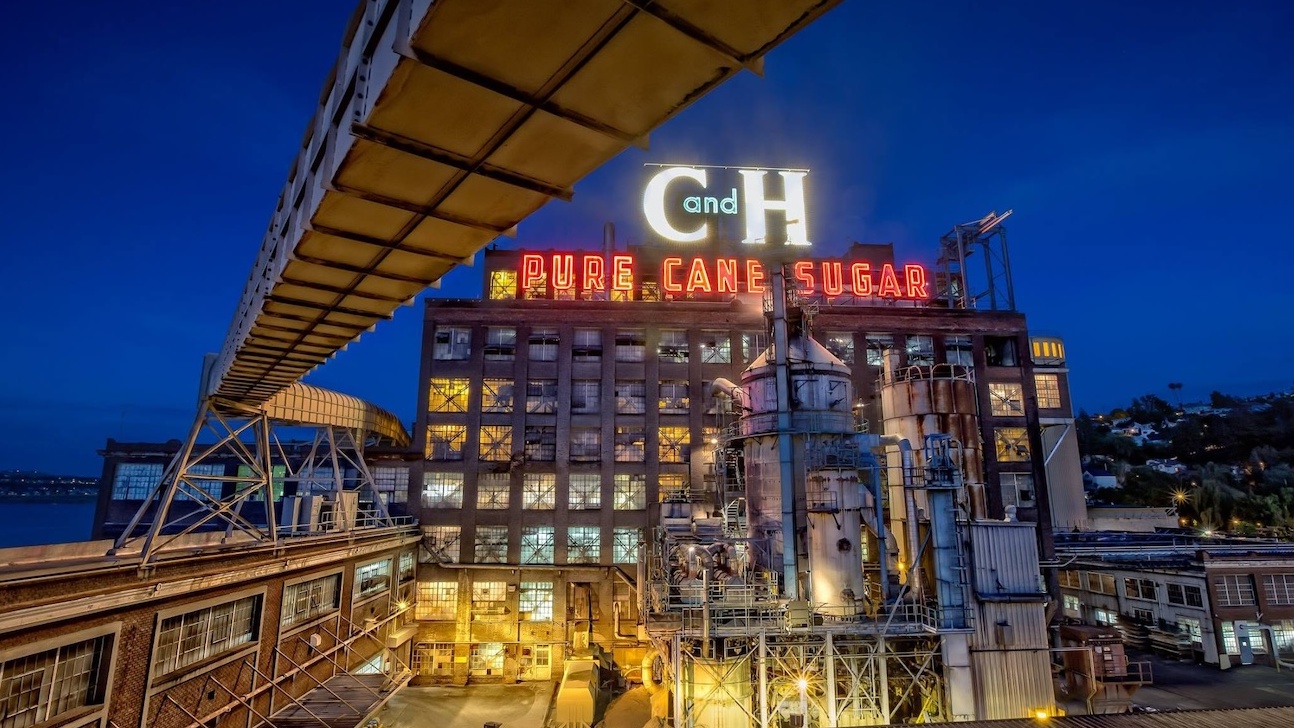
Commodity and food supply chain stakeholders are on alert as a strike by the International Longshore and Warehouse Union (ILWU) at a major California sugar refinery threatens to disrupt sugar flows in the western United States. According to FreightWaves, about 90-100 unionized warehouse employees at the C&H Sugar facility in Crockett, California, walked off the job around mid-June in what is the first strike at the site in decades. The plant, a historic facility that figured in the 1930s "Sugar Wars," receives rail service from Union Pacific (UP) and generates approximately 25,000 truckloads of sugar per year, making it a critical node in the regional sugar supply chain.
Strike Details
The strike, led by ILWU Warehouse Local 6, is over a new three-year contract. According to FreightWaves, the union's grievances center on healthcare costs, retiree benefits, sick leave, overtime rules, and union protections. American Sugar Refining, the parent company of C&H, offered a 20% wage increase, but the union rejected the proposal as unacceptable. Workers specifically cite that the company proposed cutting five of ten annual sick days, ending retiree medical benefits, and changing overtime rules so that premium pay would start only after 40 hours in a week, according to local reports cited by FreightWaves.
| Issue | Company Proposal (per source) | Union Position |
|---|---|---|
| Sick days | Cut from 10 to 5 annually | Unacceptable reduction |
| Retiree medical benefits | End | Must be preserved |
| Overtime premium | Start after 40 hours/week | Opposed change |
| Wage increase | 20% over contract | Wages negotiable, but core rights not |
The union has not disclosed its core demands but made clear that while wages were negotiable, core rights and benefits were not. Some striking workers also complained about the use of replacement labor and the company trying to get employees to cross the picket line, according to FreightWaves.
Operational Impact for Shippers and Carriers
The strike directly affects the movement of sugar from the Crockett refinery via two primary modes: rail on Union Pacific and truck. With 25,000 truckloads of sugar leaving the plant annually—a figure that equals roughly 68 truckloads per day on average—the work stoppage creates immediate capacity constraints for shippers relying on C&H sugar. If the strike persists, food processors, bakeries, and other industrial sugar users in Northern California and beyond may face supply shortfalls or need to source from alternative refineries, potentially adding transportation costs and lead times.
Freight forwarders and third-party logistics providers (3PLs) moving sugar out of the Bay Area should anticipate delays at the facility and plan for possible rerouting. The last comparable shutdown at the site was in 2003, when workers walked out in solidarity with sugar employees rather than over their own contract, according to FreightWaves. That historical precedent suggests that a prolonged strike could have significant upstream and downstream effects.
Watch List
- Contract negotiations: Progress or impasse in talks between ILWU Local 6 and American Sugar Refining will determine the strike's duration. The union's focus on core benefits suggests a tough bargaining stance.
- Replacement labor and picket line dynamics: Escalation over replacement workers could widen the dispute or draw in other ILWU units.
- Rail carrier impact: Union Pacific operations at the facility may be affected if warehouse workers are needed to load railcars. Any shift to alternative sugar sources could increase rail traffic from other refineries, potentially straining UP's network in the region.
- Truck availability: With 25,000 annual truckloads diverted or delayed, spot truck rates on routes out of Crockett may rise as shippers scramble for capacity.
- Consumer goods availability: If the strike drags into weeks, downstream shortages of sugar-containing products could emerge in retail and food service, though that timeline falls outside immediate logistics concerns.
Sources: