The 42-day strike at C&H Sugar's Crockett, California refinery that triggered a brief sympathy walkout at three California ports has ended, with International Longshore and Warehouse Union (ILWU) Local 6 warehouse workers returning to work under an extension of contract negotiations, according to FreightWaves.
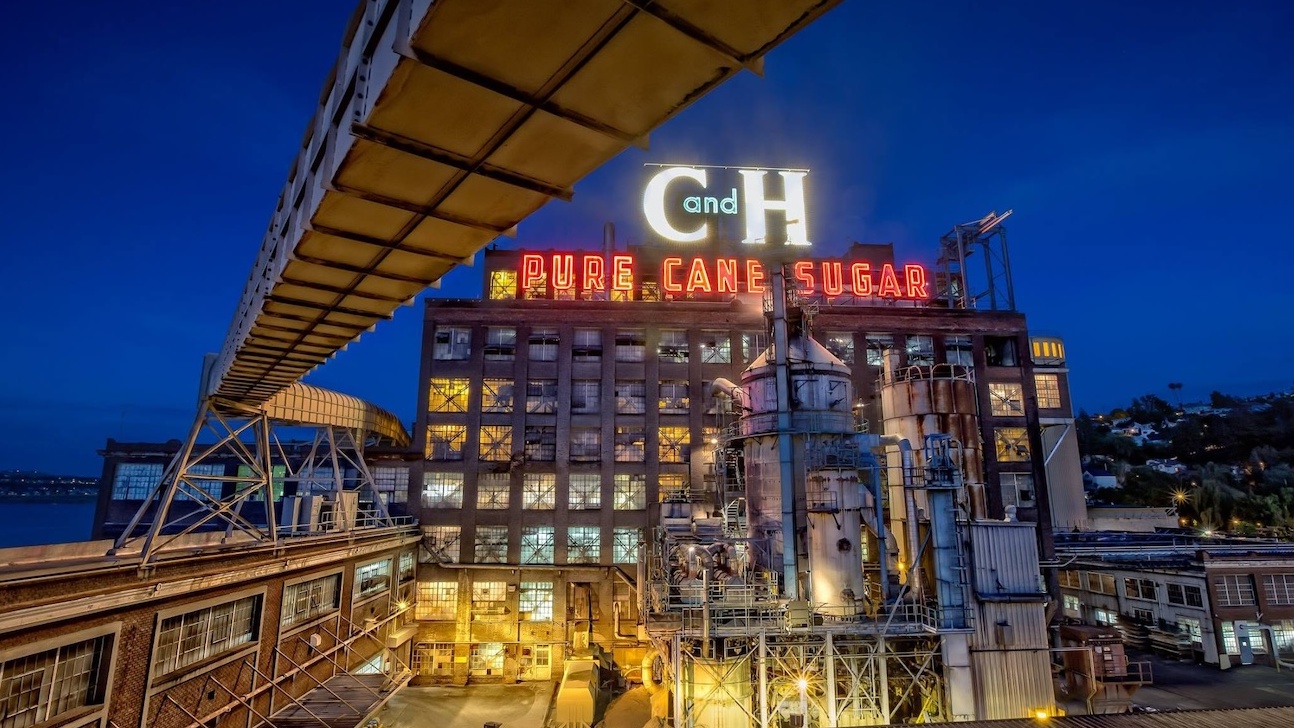
The dispute began when the union's contract expired on June 1, 2026, and negotiations quickly stalled, FreightWaves reported. On June 15, roughly 90 to 93 unionized warehouse employees began an open-ended strike, disrupting flows of raw cane sugar into the Crockett refinery, which typically processes about 6 million pounds per day. The plant is one of the largest cane sugar refiners in the United States, according to the report.
Port Ripple Effects: From Crockett to Richmond
The job action's operational footprint extended beyond the refinery gate. C&H kept operations running with replacement workers and rerouted some raw sugar through other terminals, including Richmond, where ILWU Local 10 longshore workers refused to cross Local 6's picket lines, widening the dispute's footprint along the Bay, FreightWaves reported. The strike triggered a brief sympathy walkout at three California ports, and marked ILWU Local 6's first walkout at the plant in nearly a century, the report said.
Escalation, Mediation, and the Return to Work
Tensions escalated on July 22, when a protest outside the refinery turned confrontational and nine protesters were arrested, according to FreightWaves. By late July, federal mediators had entered the picture, and both sides met for marathon bargaining sessions. On July 27, C&H and ILWU Local 6 issued a joint statement announcing a return to work and an extension of negotiations. The FreightWaves lead describes the return as taking place under a 60-day extension of contract negotiations, while the joint statement as reported in the same article cites a 6-day extension. C&H agreed to withdraw its impasse declaration, which had cleared the way for more aggressive use of replacement labor, FreightWaves reported.
Timeline of the Dispute
| Date | Event |
|---|---|
| June 1, 2026 | Contract expires; negotiations stall (FreightWaves) |
| June 15, 2026 | Roughly 90–93 union warehouse workers begin open-ended strike (FreightWaves) |
| July 22, 2026 | Confrontational protest outside refinery; nine protesters arrested (FreightWaves) |
| July 27, 2026 | C&H and ILWU Local 6 issue joint statement on return to work; lead cites 60-day extension, joint statement cites 6-day extension (FreightWaves) |
| July 30, 2026 | Workers resume posts (FreightWaves) |
| Sept. 30, 2026 | Workers committed to remain on job at least through this date while bargaining continues (FreightWaves) |
Workers resumed their posts beginning Wednesday, July 30, with the understanding that they will remain on the job at least through September 30, 2026, while bargaining continues, FreightWaves reported. Union leaders say the goal is to bring C&H's senior executives more directly into the talks and lock in a fair agreement before the extension expires, the report said. The sides are returning to negotiations over retiree health benefits, overtime rules, and sick days.
FreightWaves highlighted the wider takeaway for the industry:
In a supply chain already sensitive to port and terminal disruptions, the C&H strike underscored the strategic leverage warehouse and dock workers hold at critical nodes.
Implications for Shippers and Operators
For freight forwarders, logistics managers, and shippers moving sugar or other bulk commodities through Northern California, the strike's end removes a near-term source of labor disruption, according to FreightWaves. The episode also highlighted how a single plant dispute can ripple through the regional logistics network: ILWU Local 10's refusal to cross picket lines in Richmond demonstrated that warehouse and dockworker actions can quickly affect multiple terminals along the Bay. FreightWaves reported that negotiations over the outstanding contract items — retiree health benefits, overtime rules, and sick days — remain open, meaning the risk of renewed industrial action is tied to the extension that keeps workers on the job at least through September 30, 2026.
Sources: