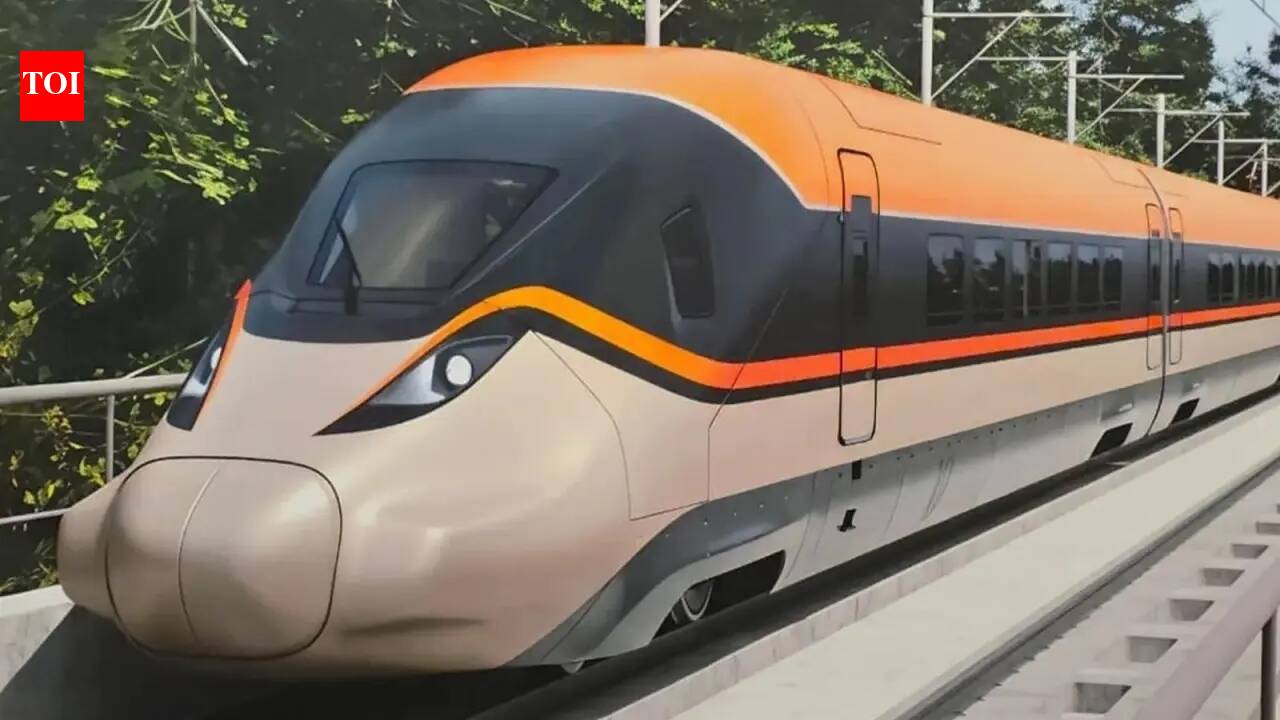
Indian Railways is preparing to equip its planned ~7,000 km of new high-speed rail corridors with an indigenous, open-source signalling protocol — the Bharat Train Control System (BTCS) — moving away from foreign signalling protocols, according to Business Today.
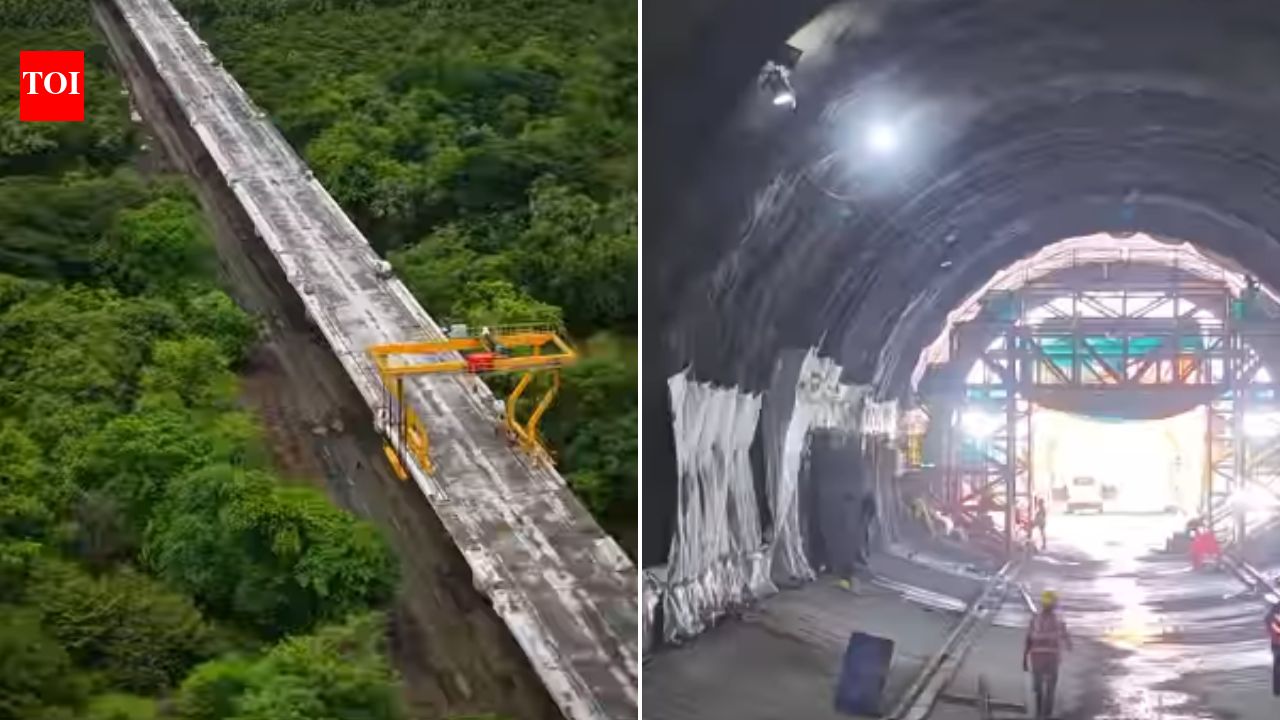
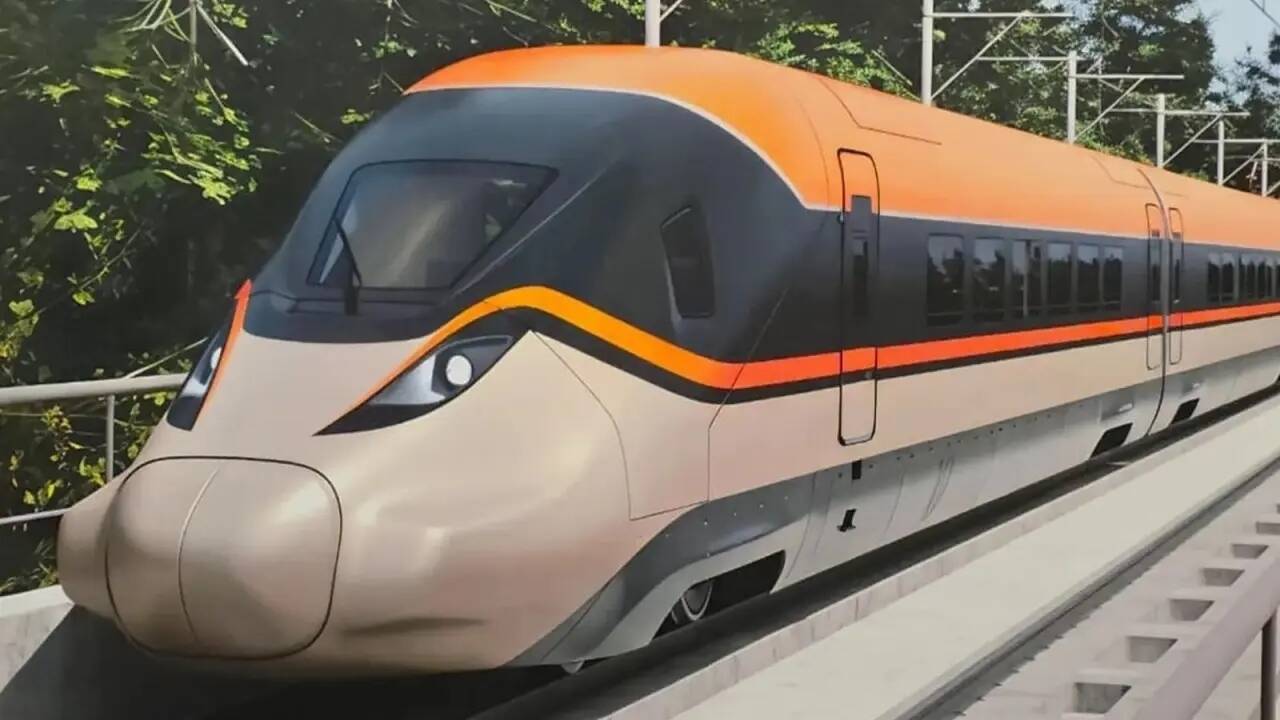
The development follows India's decision to manufacture the high-speed train indigenously for the Mumbai-Ahmedabad bullet train corridor. Business Today reported that the BTCS is being designed specifically for Indian operating conditions and aims to eliminate dependence on foreign signalling protocols for the nearly 7,000 km of new bullet train corridors planned across the country.
Earlier this month, former Japanese minister Hideki Makihara criticised India for not exclusively adopting Japanese technology for the Mumbai-Ahmedabad High Speed Rail (MAHSR) project, pointing to its decision to use open-source signalling protocols instead of Japan's Digital Automatic Train Control system. In response, officials said trains supplied by Japan's Hitachi are compatible with ETCS, but added that "offers from them (Japan) need to come first". India is also "open to allowing switchover to Japanese protocols once suppliers place appropriate proposals", an official said.
Bharat Train Control System: what changes
The Bharat Train Control System will be open-source, cost-effective and can be tailored to requirements of rapid and safe deployment across the country.
A senior official told the financial daily that India will develop its own control protocols for high-speed rail, building on experience gained from the MAHSR corridor, where the European Train Control System (ETCS) is currently being deployed. Once developed, the technology could be offered to other countries, the official said.
Corridors, suppliers and contract values
In June last year, the National High Speed Rail Corporation Ltd (NHSRCL) awarded a Rs 4,100 crore contract for the signalling system on the Mumbai-Ahmedabad High Speed Rail corridor to a consortium comprising India's Dineshchandra R Agrawal Infracon Pvt Ltd and Germany's Siemens. The consortium is deploying an ETCS Level 2-based system capable of supporting train operations at speeds of up to 350 kmph.
| Corridor | Signalling system | Supplier | Contract value | Speed |
|---|---|---|---|---|
| Mumbai-Ahmedabad High Speed Rail (MAHSR) | ETCS Level 2 | Dineshchandra R Agrawal Infracon + Siemens | Rs 4,100 crore | Up to 350 kmph |
| Delhi-Meerut Rapid Rail Corridor | ETCS Level 2 | Alstom (France) | Not disclosed | India's fastest train |
| Future high-speed corridors (~7,000 km) | Bharat Train Control System (BTCS) | Domestic design firms and equipment manufacturers | Not disclosed | Not disclosed |
The Delhi-Meerut Rapid Rail Corridor, which currently operates India's fastest train, is also equipped with ETCS Level 2 signalling, supplied and implemented by France's Alstom. According to industry observers, the decision to adopt ETCS Level 2 for the Japan-backed MAHSR project enabled a broader pool of equipment suppliers to participate.
Timeline and supplier implications
Officials told ET that approvals for the designs and route alignments of future high-speed rail corridors are expected to be completed by mid-2027. Introducing an indigenous high-speed rail signalling protocol would provide a significant boost to domestic railway design companies and equipment manufacturers, a senior official said. The official described BTCS as open-source, cost-effective and tailored for rapid and safe deployment, and said it could later be offered to other countries.
Watch list
- Mid-2027 approvals: Design and route alignment approvals for future high-speed corridors are expected by mid-2027.
- Japanese switchover: India is open to switching to Japanese protocols if suppliers place appropriate proposals; Hitachi's trains are already ETCS-compatible.
- Export potential: Once developed, BTCS could be offered to other countries, opening an export lane for Indian signalling technology.
Sources: