iGEN
Visit IGEN World Explore IGEN Expo
EXPLORE UPGRADE PLANS
BREAKING
Werner Enterprises Posts Highest Revenue Per Truck Growth in One-Way Segment in a Decade CMA CGM and Stonepeak Launch United Ports LLC in $2.4 Billion Terminal Joint Venture UPS shift away from Amazon shows bigger payoff Lanesurf: 62% of Loads Get Vetted Carrier Offers Before Brokers Arrive India-China Border Trade Via Lipulekh Resumes Aug 1; China Permits 20 Traders Geopolitics Drives CMA CGM Q2 Profit Surge of 42% as Volumes and Rates Climb Benchmark Diesel Price Rises Third Week as Futures Plunge; Spread Hits Record Indian Government Limits Sugar Dealers to 400 Tonnes Stock Until November to Curb Hoarding Tenants signing longer leases for larger warehouses as 3PLs lock in capacity US stock market flat as S&P 500 and Dow barely move, Nasdaq slides over 1% on chip rout Werner Enterprises Posts Highest Revenue Per Truck Growth in One-Way Segment in a Decade CMA CGM and Stonepeak Launch United Ports LLC in $2.4 Billion Terminal Joint Venture UPS shift away from Amazon shows bigger payoff Lanesurf: 62% of Loads Get Vetted Carrier Offers Before Brokers Arrive India-China Border Trade Via Lipulekh Resumes Aug 1; China Permits 20 Traders Geopolitics Drives CMA CGM Q2 Profit Surge of 42% as Volumes and Rates Climb Benchmark Diesel Price Rises Third Week as Futures Plunge; Spread Hits Record Indian Government Limits Sugar Dealers to 400 Tonnes Stock Until November to Curb Hoarding Tenants signing longer leases for larger warehouses as 3PLs lock in capacity US stock market flat as S&P 500 and Dow barely move, Nasdaq slides over 1% on chip rout
Home ›› Manufacturing ›› Mfg Machinery ›› India Cabinet Approves Seven Major Decisions: Semicon 2.0, Mobile Manufacturing, Urea Plants, and Rail Projects

India Cabinet Approves Seven Major Decisions: Semicon 2.0, Mobile Manufacturing, Urea Plants, and Rail Projects

The Union Cabinet has approved seven major decisions covering infrastructure, semiconductor manufacturing, mobile phone production, fertiliser and railway projects. The package includes Semicon 2.0, the Mobile Phone Manufacturing Scheme (MPMS) and the National Investment Policy for Urea-2026, with a combined outlay of Rs 2,19,353 crore. Key projects include a 46-km link corridor in Varanasi, doubling of Paradeep-Haridaspur railway line, and a fourth line between Dangoaposi and Rajkharsawan.

iG
iGEN Editorial
July 15, 2026
India Cabinet Approves Seven Major Decisions: Semicon 2.0, Mobile Manufacturing, Urea Plants, and Rail Projects

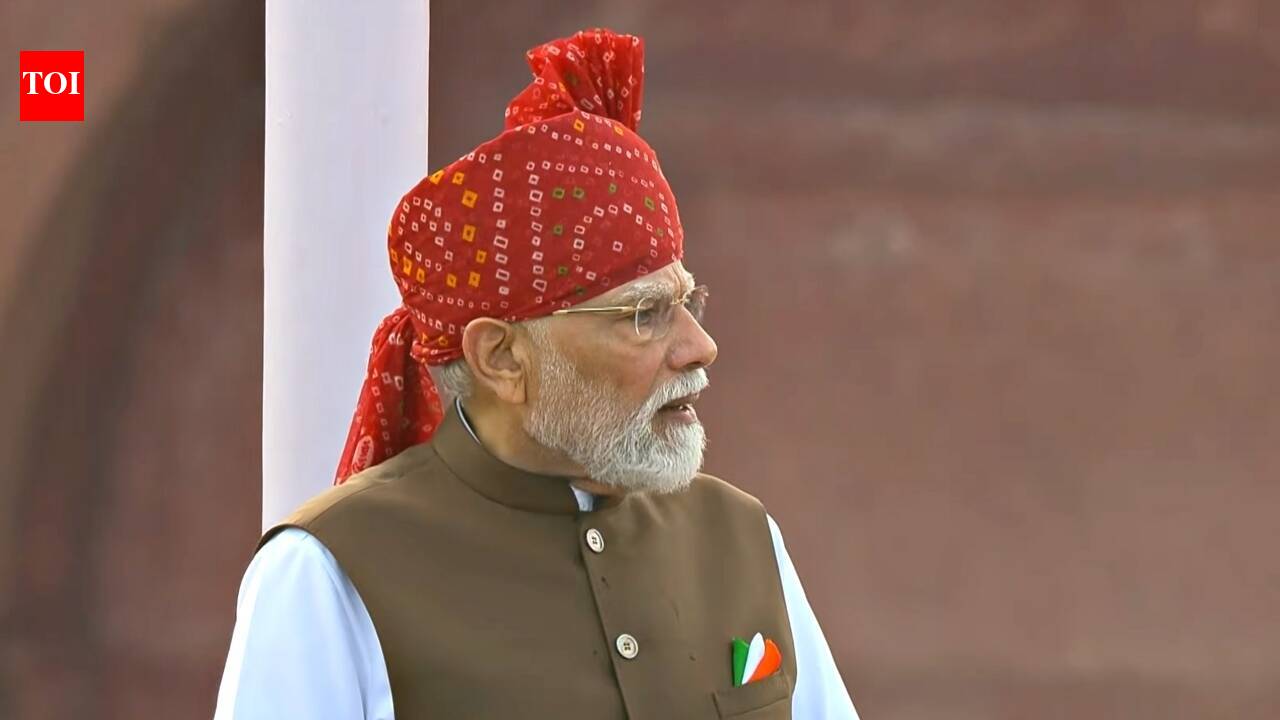
The Union Cabinet on Wednesday approved seven major decisions covering infrastructure, semiconductor manufacturing, mobile phone production, fertiliser and railway projects, with a combined outlay of Rs 2,19,353 crore, according to the Times of India. The announcements were made after the Cabinet and Cabinet Committee on Economic Affairs (CCEA) meeting chaired by Prime Minister Narendra Modi.

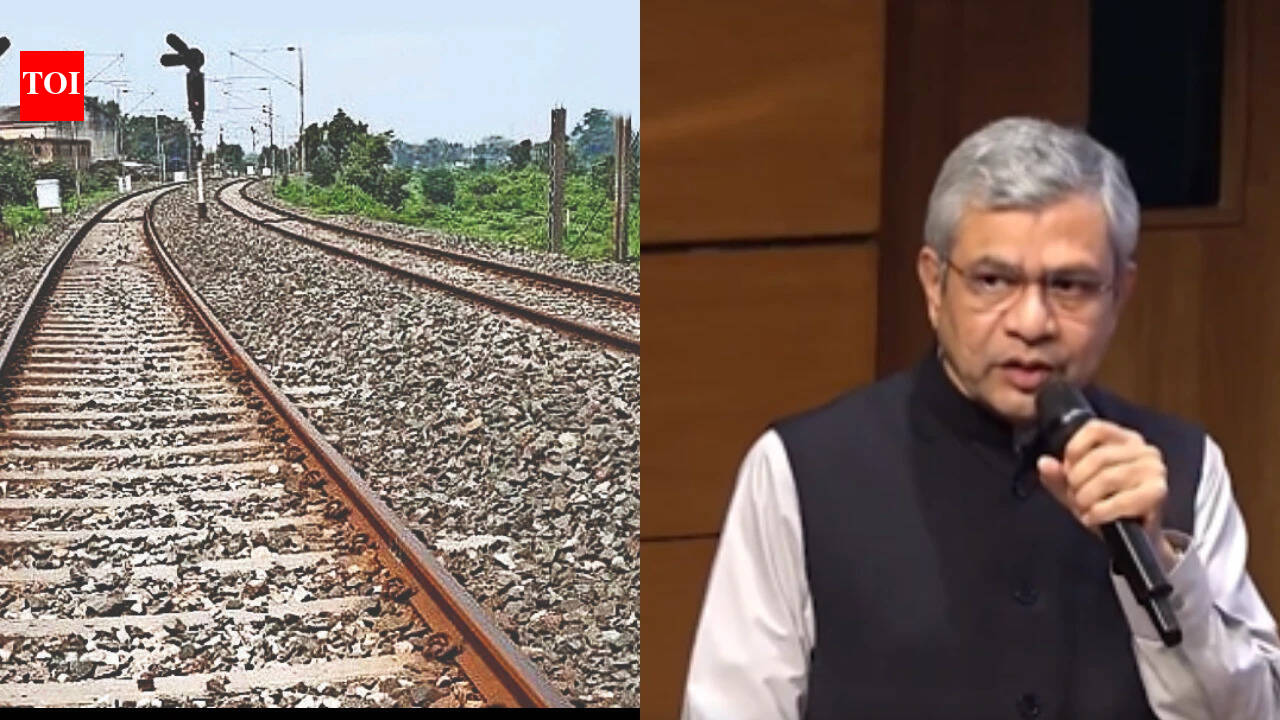
Addressing the briefing, Minister Vaishnaw said, "I am presenting before you the seven major decisions taken by the Cabinet and the Cabinet Committee on Economic Affairs (CCEA) under the chairmanship of Prime Minister Narendra Modi."

Varanasi Infrastructure Projects

The first two decisions focus on developing infrastructure in Varanasi (Kashi). The Cabinet approved the construction of a 46.039-km link corridor connecting National Highway-19 (NH-19) with the Varanasi Ring Road, aimed at easing traffic congestion and enhancing connectivity along the Ganga riverbank. The corridor will feature a six-lane elevated carriageway, an iconic cable-stayed bridge, an extradosed foot over bridge-cum-major bridge, along with loops, ramps, link roads and service roads. It will be developed under the Hybrid Annuity Model (HAM) at a total cost of Rs 14,447.64 crore, including Rs 6,037.85 crore for civil construction and Rs 541.11 crore towards land acquisition. Additionally, a 6-/4-lane elevated corridor along the Varuna riverbank in Uttar Pradesh was approved at a total capital cost of Rs 10,998.32 crore.

Semicon 2.0 Mission

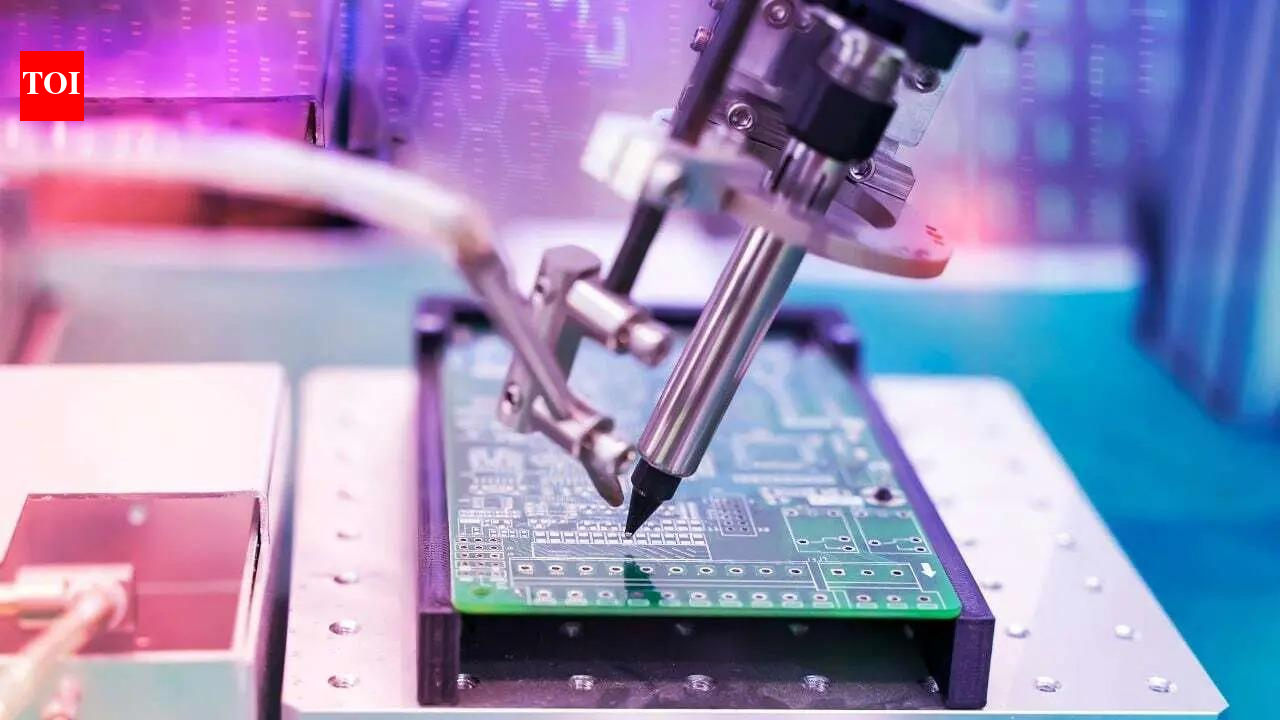
The Cabinet approved the second edition of the India Semiconductor Mission, or Semicon 2.0 Mission, with an outlay of Rs 1.27 lakh crore. This decision underscores India's push to bolster domestic semiconductor manufacturing capabilities.

Mobile Phone Manufacturing Scheme

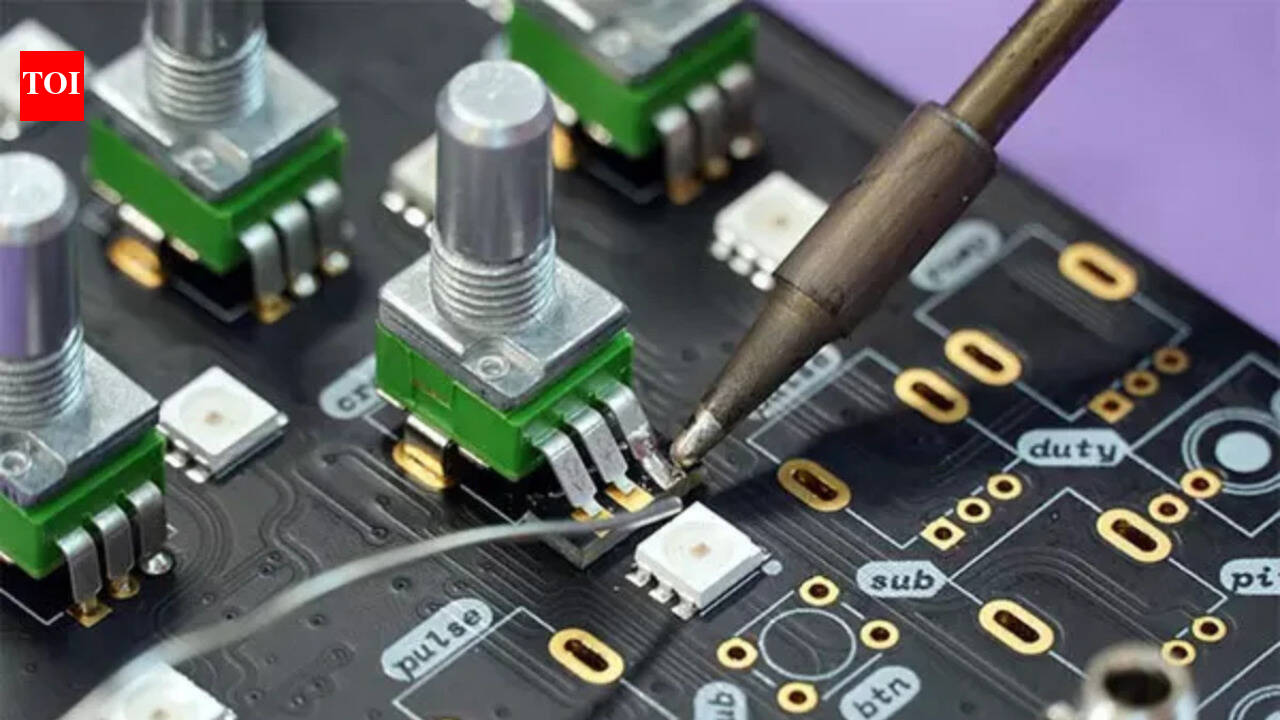
Alongside the chip push, Minister Vaishnaw announced the extension of the Mobile PLI scheme, now named the Mobile Phone Manufacturing Scheme (MPMS), with a budget of Rs 62,500 crore for its second edition. The scheme aims to accelerate mobile phone production in India.

National Investment Policy for Urea

The Cabinet approved the National Investment Policy for Urea-2026, under which 9 new urea plants will be set up. The initiative is expected to achieve 1 crore additional urea requirement, helping India become self-reliant in urea demand.

Railway Upgrades

The Cabinet approved two railway projects: doubling the Paradeep-Haridaspur railway line at a cost of Rs 2,542 crore, and a fourth railway line between Dangoaposi and Rajkharsawan involving an investment of Rs 1,365 crore.

Summary of Seven Cabinet Decisions

Decision Outlay (Rs crore) Key Details
Varanasi Link Corridor (NH-19 to Ring Road) 14,447.64 46.039 km, six-lane elevated, HAM
Varuna Riverbank Elevated Corridor 10,998.32 6-/4-lane, ramps & loops
Semicon 2.0 Mission 1,27,000 Second edition of India Semiconductor Mission
Mobile Phone Manufacturing Scheme (MPMS) 62,500 Extension of PLI scheme
National Investment Policy for Urea Not separately stated 9 new urea plants, 1 crore tonne additional capacity
Paradeep-Haridaspur Line Doubling 2,542 Railway track doubling
Dangoaposi-Rajkharsawan Fourth Line 1,365 Fourth railway line

For manufacturing executives and plant managers, the decisions signal increased government support for electronics manufacturing (semiconductors and mobile phones), chemical production (urea), and improved logistics infrastructure (railway upgrades). The semiconductor and mobile phone schemes are particularly relevant for OEMs and Tier-1 suppliers in the electronics supply chain, while urea self-reliance impacts the agricultural input sector.


Sources: Business-Today
Keep Reading

Recommended Stories

India's Indigenous Bullet Train Project: An Engineering Leap for Manufacturing Manufacturing

India's Indigenous Bullet Train Project: An Engineering Leap for Manufacturing

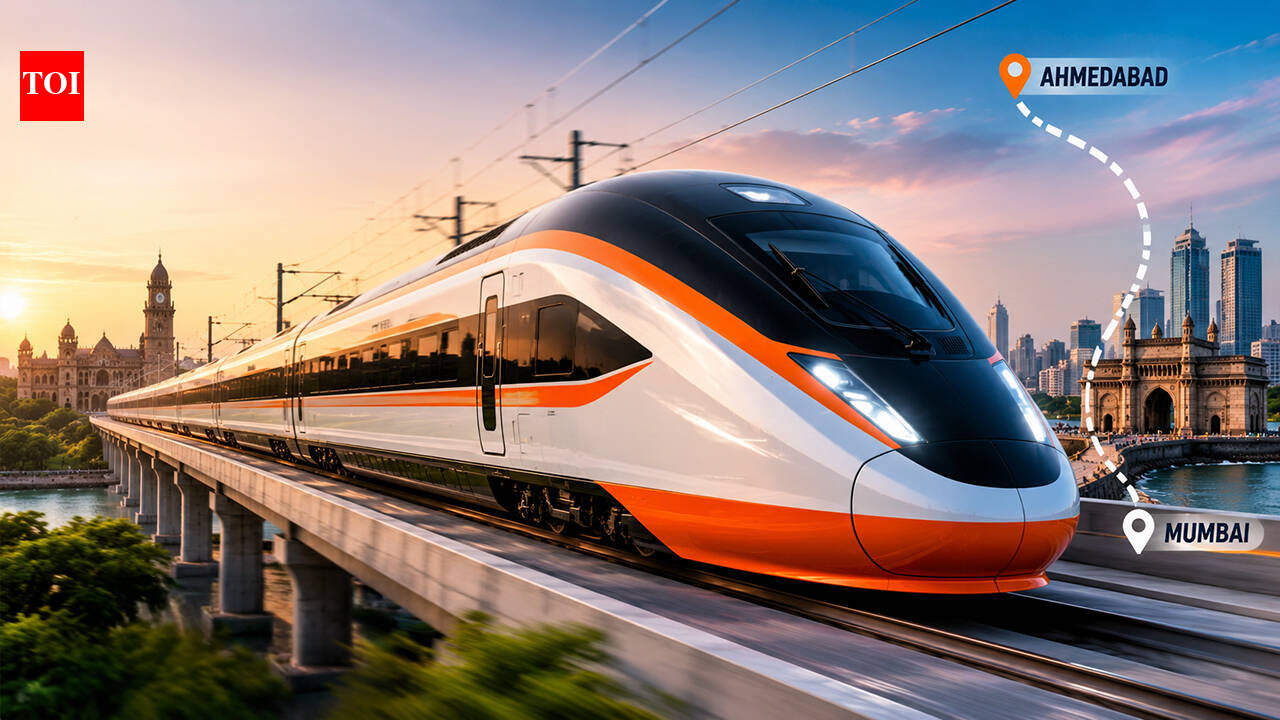
India's first bullet train service on the Surat–Bilimora section is expected by August 2027. The trains will be manufactured indigenously, with a Rs 866.87 crore contract awarded to BEML Limited for two prototype high-speed train sets. This marks a significant engineering leap, requiring new capabilities in lightweight construction, advanced braking, and high-speed control systems.

June 26, 2026
Finance Ministry Panel Clears Rs 1.25 Lakh Crore for India Semiconductor Mission 2.0; Cabinet Approval Next Technology

Finance Ministry Panel Clears Rs 1.25 Lakh Crore for India Semiconductor Mission 2.0; Cabinet Approval Next

The Expenditure Finance Committee under the Finance Ministry has cleared a Rs 1.25 lakh crore outlay for India Semiconductor Mission 2.0, significantly higher than the first phase's Rs 76,000 crore. The proposal now goes to the Union Cabinet for approval. The mission aims to deepen domestic chip manufacturing, supporting equipment, materials, and indigenous designs, with 12 projects already approved under Phase 1.

June 30, 2026
Two Varanasi Highway Projects Worth Rs 25,446 Crore Approved to Boost Logistics and Connectivity Logistics

Two Varanasi Highway Projects Worth Rs 25,446 Crore Approved to Boost Logistics and Connectivity

The Cabinet Committee on Economic Affairs approved two highway projects in Varanasi totaling Rs 25,446 crore. The Varuna Expressway and Ganga riverbank corridor will significantly cut travel times, decongest the city, and improve multimodal connectivity to key logistics hubs including Ramnagar Port and Lal Bahadur Shastri International Airport.

July 15, 2026
India's Semicon 2.0 to Broaden Chip Incentives Beyond Fabrication to Entire Ecosystem Technology

India's Semicon 2.0 to Broaden Chip Incentives Beyond Fabrication to Entire Ecosystem

India is finalizing Semicon 2.0, the next phase of its semiconductor mission, which will expand incentives beyond chip fabrication to include design startups and suppliers of chemicals, gases, materials, and equipment. ISM CEO Amitesh Kumar Sinha announced the policy will improve eligibility and incentive structures, aiming to localize the supply chain and reduce import dependence.

July 8, 2026