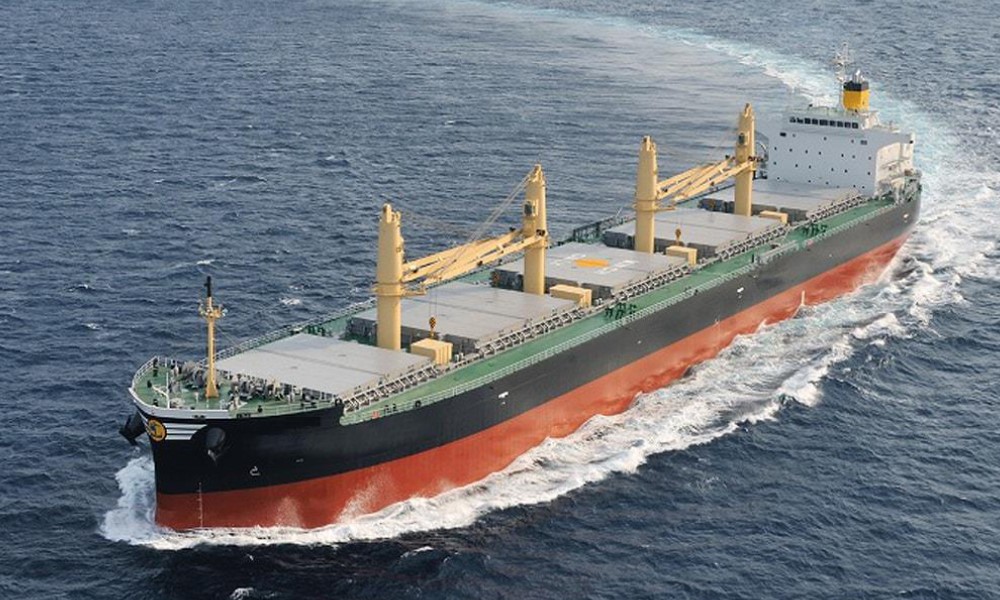
Jinhui Shipping and Transportation has secured up to $36 million through sale-and-leaseback deals covering two ultramax bulk carriers under construction in China, according to Splash247. The transaction provides the Hong Kong- and Oslo-listed owner with financing for a portion of the acquisition cost while allowing it to retain operational control of the vessels via long-term bareboat charters.
Transaction Details
Per the agreements, Jinhui will sell the two 64,500 dwt newbuildings to separate Hong Kong-incorporated ship leasing vehicles — linked in trade reporting to ICBC Financial Leasing — for up to $18 million each. The ships will then be bareboat chartered back to Jinhui for periods of up to five years. Each newbuilding carries a contractual price of $33.05 million, meaning the sale-and-leaseback arrangement recovers roughly 54% of the vessel cost upfront.
| Vessel | DWT | Contract Price | Sale Price | Delivery | Buyer Affiliate |
|---|---|---|---|---|---|
| Jin Yao | 64,500 | $33.05M | $18M | February 2028 | ICBC Financial Leasing-linked entity |
| Jin Fu | 64,500 | $33.05M | $18M | March 2028 | ICBC Financial Leasing-linked entity |
Strategic Context
Jinhui retains purchase options throughout the charter period and will be required to buy the vessels back at the end of the agreements if the options are not exercised earlier, Splash247 reported. The structure allows the shipowner to finance part of the acquisition while retaining operational control, a common approach in the sector.
The company has been steadily expanding its ultramax orderbook while disposing of older supramax tonnage as part of a wider fleet renewal programme, according to the report. This renewal targets improved fuel efficiency and operational reliability.
Implications for the Bulker Market
Although the newbuildings will not enter service until early 2028, the addition of modern ultramax capacity could modestly affect supply dynamics on major dry bulk routes — particularly for grains, coal, and minor bulks where the ultramax segment is prevalent. For freight forwarders and logistics managers booking bulk shipments, the new tonnage signals potential for improved availability and competitive spot rates in the long term, though near-term impact is negligible.
Watch List
- Orderbook growth: Further newbuilding announcements by Jinhui may emerge as fleet renewal accelerates.
- Vessel delivery schedule: Any changes to the February/March 2028 delivery timeline could shift capacity expectations.
- Market conditions: Demand growth in dry bulk trades will determine how easily new tonnage is absorbed.
The transaction underscores a broader industry trend of using leaseback structures to modernize fleets without straining balance sheets. For Jinhui, the deal locks in long-term control of two modern ultramax vessels while leveraging external capital.
Sources: