Manufacturing activity expanded for a sixth consecutive month in June, providing support for less-than-truckload (LTL) demand, according to data from the Institute for Supply Management (ISM). The ISM Manufacturing PMI registered 53.3 (a reading above 50 indicates expansion), 70 basis points below analysts' expectations and the May result. The June reading was the second-highest this year and is consistent with 2% real GDP growth.
New Orders and LTL Demand
The new orders subindex—an indicator of future activity—came in at 56 for June, 80 basis points lower than May but still the sixth straight month above 50. Of the six largest industries tracked, four reported an increase in orders: computer and electronic products, machinery, transportation equipment, and chemical products.
“Demand sentiment was positive in June, with a 2.7-to-1 ratio of positive to negative comments,” said Susan Spence, chair of the ISM Manufacturing Business Survey Committee.
Roughly two-thirds of LTL carrier revenue is tied to the industrial complex, according to FreightWaves. Inflections in ISM data usually lead LTL tonnage by a few months. A 51.9 reading for new orders (over time) typically signals growth in the Census Bureau’s manufacturing orders dataset.
LTL Carrier Performance and Pricing
Intraquarter updates from public LTL carriers a month ago showed freight demand continued to improve. Two-year-stacked comparisons turned positive for the group in May. Improved contributions from the manufacturing sector and the return of some freight lost to a depressed truckload market were among the catalysts.
Most public LTL carriers hold approximately 30% excess door capacity, yet pricing remains rational. Contractual rates continue to increase by a mid-single-digit percentage on average every quarter, and general rate increases (GRIs) are occurring at an accelerated pace.
ArcBest (NASDAQ: ARCB) implemented a 5.9% GRI at its LTL unit, ABF Freight, effective June 22, approximately six weeks ahead of the already truncated 11-month cadence many carriers have been following. ArcBest also raised its second-quarter outlook, pointing to pricing initiatives and cost takeouts.
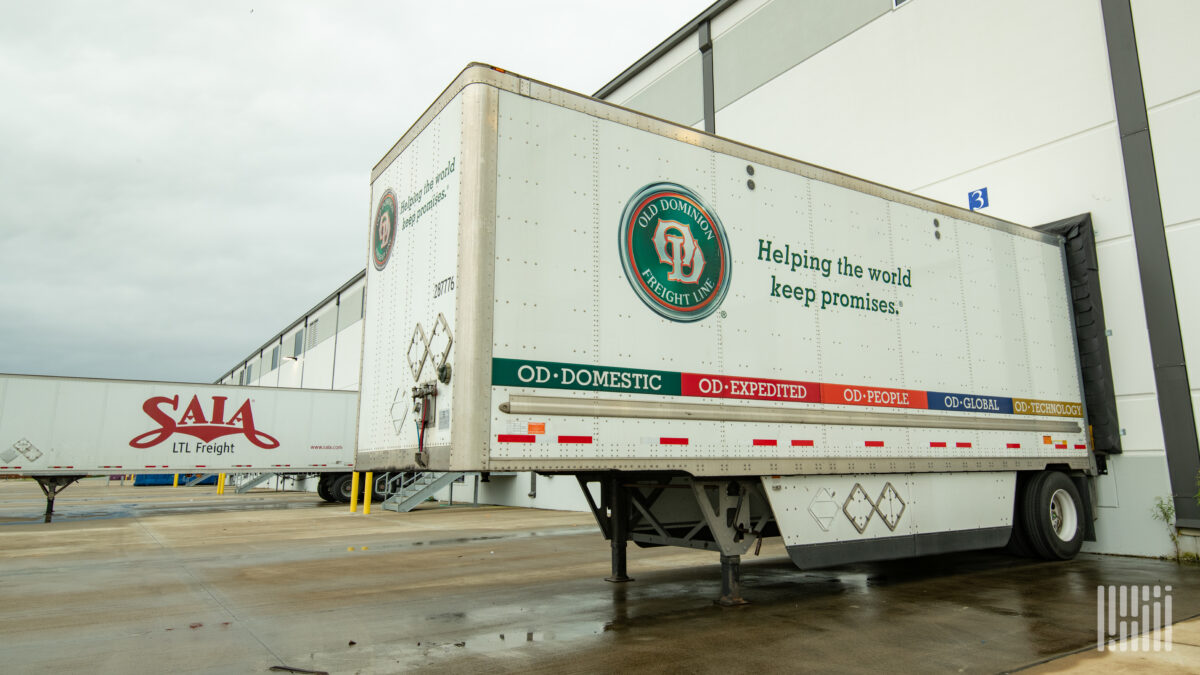
Other carriers with positive trends include XPO (Q2 tonnage trending ahead of guidance), Old Dominion (May update shows improving LTL market), and Saia (tonnage growth accelerating in May on easier comps).
Other June ISM Takeaways
| Subindex | June Reading | Change vs May |
|---|---|---|
| Supplier Deliveries | 57.4 | -3.2 points |
| Customer Inventories | 42.3 | -0.4 points |
| Production | 52.2 | -2.1 points |
| Employment | 49.7 | +1.1 points |
| Order Backlog | 50.5 | (barely positive) |
The supplier deliveries subindex at 57.4 signaled slower deliveries and potential supply chain constraints for a seventh straight month. Customers’ inventories remained in the “too low” band at 42.3, suggesting future production is likely to step higher. Production was positive for an eighth consecutive month at 52.2 but down from May.
Employment remained slightly contractionary at 49.7, but the pace of contraction slowed. 64% of respondents said they were actively hiring, while only 36% said they were “managing head counts.” This is an inverse from January, when 66% of panelists said they were holding staffing levels steady. Most producers want sustained signals of firming demand before hiring, with geopolitical trade headwinds an overhang.
Shipper and Operator Implications
For LTL shippers and logistics operators, the sustained manufacturing expansion points to continued firming of LTL demand. However, carriers still have excess capacity, so rate increases are likely to remain moderate despite the accelerated GRI cadence. Shippers should expect mid-single-digit contractual rate increases per quarter, with potential for larger increases as capacity tightens. The low customer inventories suggest restocking will support volumes further.
Watch List
- Trade policy: Geopolitical trade headwinds could dampen hiring and investment in manufacturing.
- Employment trends: If hiring picks up substantially, it could signal broader economic strength and support LTL volumes.
- Carrier pricing actions: Monitor for additional GRIs or changes in pricing discipline.
- Supplier deliveries index: A sustained high reading may indicate tightening capacity in transportation.
Sources: