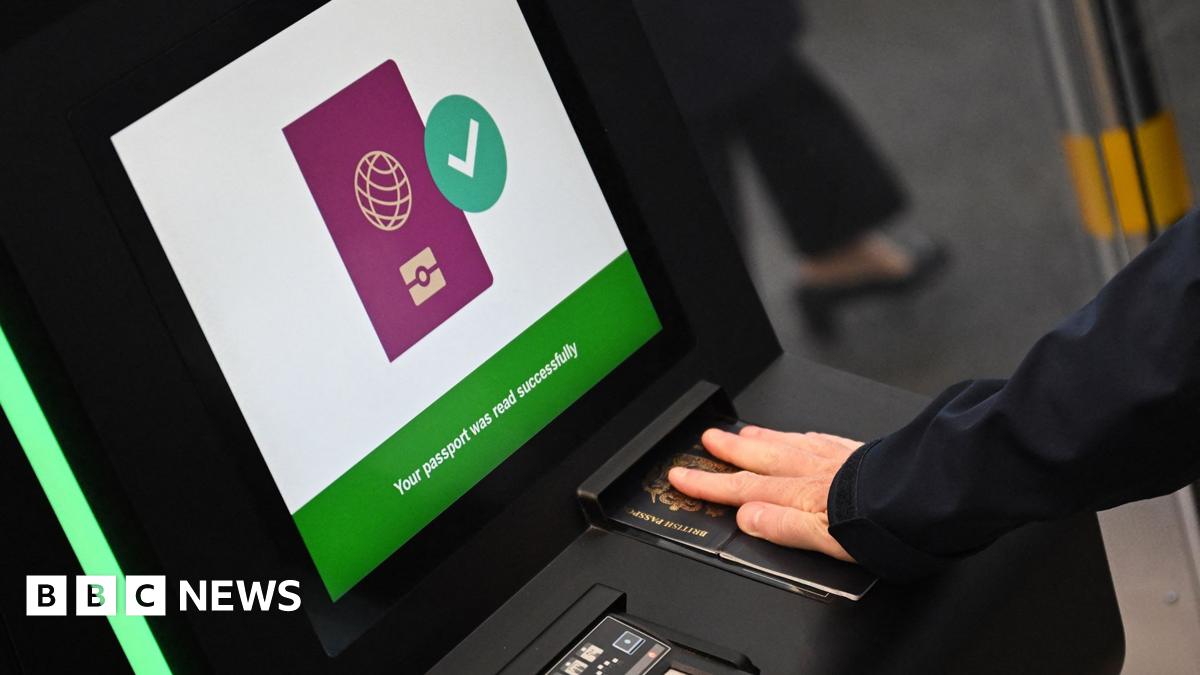
Logistics operators using the Port of Dover face a heightened risk of disruption this summer as new EU border checks threaten to cause long queues, despite the port's £40m investment in processing capacity that remains unused. The Entry Exit System (EES) — requiring fingerprint and photo registration for Schengen Area entry — was fully rolled out in April, and the port declared a critical incident in May half-term when waiting times hit four-and-a-half hours on a day with about 8,500 outbound vehicles.
According to a BBC report, Doug Bannister, chief executive of the Kent port, said it was 'very disappointing' a new EES processing facility built as part of a £40m investment was not being used for cars because the technology had not been activated. The Western Docks facility houses 84 kiosks to record biometric details, but the French authorities have not switched them on, and no date has been set for activation.
Bannister recently told MPs the port would 'face repeated episodes of severe congestion' this summer unless the EU permits more flexibility in EES, which had not happened. The port expects to see heavy traffic in the coming weeks:
| Date | Expected outbound cars |
|---|---|
| Friday (weekend) | About 7,500 |
| Saturday | Nearly 10,000 |
| 24 July | About 10,500 |
| 25 July | About 10,500 |
EES processing is also carried out at Eurotunnel's Folkestone terminal and London St Pancras railway station, all with juxtaposed border controls. For most UK travellers, the process happens at foreign airports.
Infrastructure and Government Response
Since May, the port has installed new border positions in its ferry terminal, and the French authorities have agreed to its suggested resource requirements. Bannister said: 'We've done absolutely everything that we can... in preparing for the summer. But there are still a lot of unknowns and uncertainties around how the EES process will affect travel.'
Transport Secretary Heidi Alexander recently met French counterpart Philippe Tabarot to call for a pragmatic approach to EES checks. Bannister said she had 'leaned in personally on trying to get the messages clear.'
On Monday, the Department for Transport announced some £20m of new government funding to boost infrastructure in Kent to reduce delays. This is on top of a previous £10.5m investment shared by the three English sites with juxtaposed border controls.
| Funding Source | Amount |
|---|---|
| Previous shared investment (3 sites) | £10.5m |
| New government funding (Kent) | £20m |
Implications for Freight Operators
While the BBC report focuses on passenger travel, the congestion and delays at the Port of Dover can directly impact freight operations. The port is a critical gateway for UK-EU trade, particularly for roll-on/roll-off (ro-ro) truck traffic via the Dover-Calais short-sea route. Prolonged passenger queues can lead to road congestion that affects truck access to the port, delaying deliveries and increasing dwell times. Logistics managers should monitor the situation closely, especially on peak travel days (24-25 July), and consider alternative routes or adjusted scheduling to mitigate risks. Bannister acknowledged the uncertainty, noting that the full effect of EES on travel remains unknown. The new £20m infrastructure investment may help, but its impact will depend on timely activation of the Western Docks kiosks.