iGEN
Visit IGEN World Explore IGEN Expo
EXPLORE UPGRADE PLANS
BREAKING
Werner Enterprises Posts Highest Revenue Per Truck Growth in One-Way Segment in a Decade CMA CGM and Stonepeak Launch United Ports LLC in $2.4 Billion Terminal Joint Venture UPS shift away from Amazon shows bigger payoff Lanesurf: 62% of Loads Get Vetted Carrier Offers Before Brokers Arrive India-China Border Trade Via Lipulekh Resumes Aug 1; China Permits 20 Traders Geopolitics Drives CMA CGM Q2 Profit Surge of 42% as Volumes and Rates Climb Benchmark Diesel Price Rises Third Week as Futures Plunge; Spread Hits Record Indian Government Limits Sugar Dealers to 400 Tonnes Stock Until November to Curb Hoarding Tenants signing longer leases for larger warehouses as 3PLs lock in capacity US stock market flat as S&P 500 and Dow barely move, Nasdaq slides over 1% on chip rout Werner Enterprises Posts Highest Revenue Per Truck Growth in One-Way Segment in a Decade CMA CGM and Stonepeak Launch United Ports LLC in $2.4 Billion Terminal Joint Venture UPS shift away from Amazon shows bigger payoff Lanesurf: 62% of Loads Get Vetted Carrier Offers Before Brokers Arrive India-China Border Trade Via Lipulekh Resumes Aug 1; China Permits 20 Traders Geopolitics Drives CMA CGM Q2 Profit Surge of 42% as Volumes and Rates Climb Benchmark Diesel Price Rises Third Week as Futures Plunge; Spread Hits Record Indian Government Limits Sugar Dealers to 400 Tonnes Stock Until November to Curb Hoarding Tenants signing longer leases for larger warehouses as 3PLs lock in capacity US stock market flat as S&P 500 and Dow barely move, Nasdaq slides over 1% on chip rout
Home ›› Intl Trade ›› Tariffs Duties ›› Gsp Preferences ›› Brexit at 10: UK Economy Still Shrinking as Trade Barriers Persist with EU

Brexit at 10: UK Economy Still Shrinking as Trade Barriers Persist with EU

A decade after the 2016 referendum, Brexit's economic impact is measured at a 4-8% GDP loss, with businesses still grappling with customs paperwork and non-tariff barriers on EU trade. Public opinion has shifted, with 52% now supporting rejoining, but the Labour government rules out a return to the single market.

iG
iGEN Editorial
July 8, 2026
Brexit at 10: UK Economy Still Shrinking as Trade Barriers Persist with EU

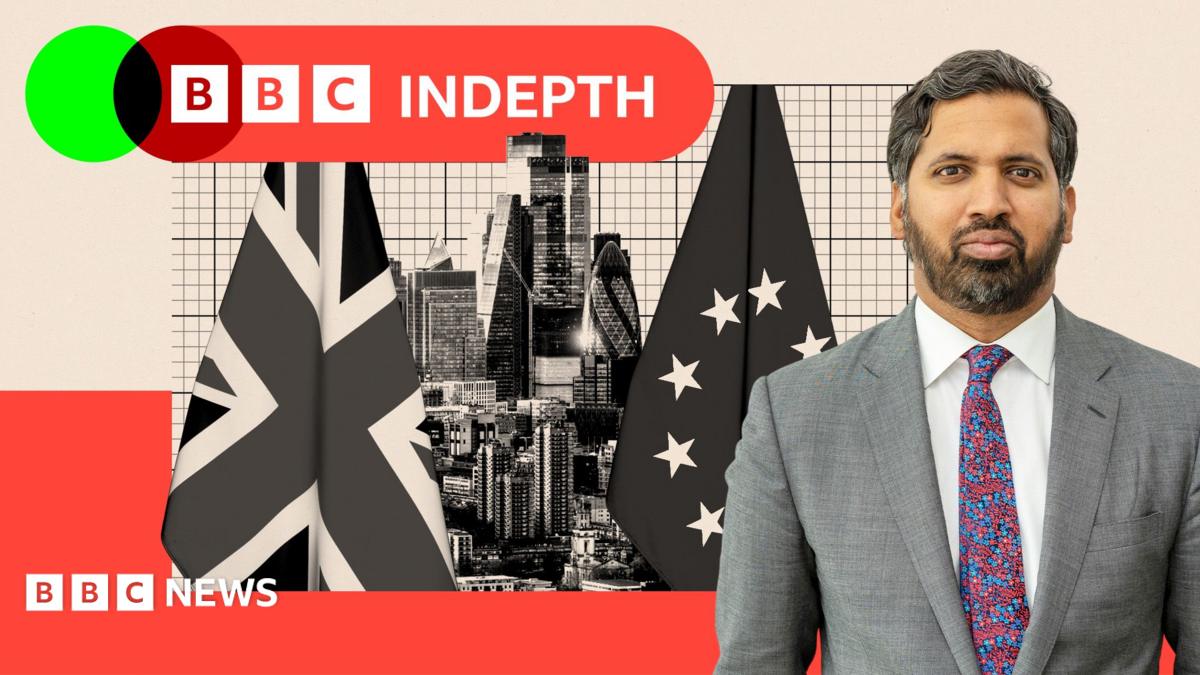
Ten years after 52% of British voters backed leaving the European Union in the June 23, 2016 referendum, the economic and political consequences of Brexit continue to divide the country, with trade friction and a smaller economy headlining the legacy, according to AP.

Economic Reality Falls Short of Promises

Supporters of Brexit argued that leaving the EU would allow Britain to regain control over policymaking and strike new global trade deals. However, according to AP and experts cited, the expected economic boost has not materialised. Businesses continue to face customs paperwork, border checks, certifications and other non-tariff barriers while trading with the EU, which remains Britain's largest trading partner. Several trade deals championed by Brexit supporters, including one with the United States, have yet to be concluded.

Economists estimate that the British economy is between 4% and 8% smaller than it would have been had the country remained in the bloc. "Brexit has made the UK economy smaller than it otherwise would have been," said Jonathan Portes, professor at King's College London, as quoted by AP. "The effect has not been a sudden collapse, but a gradual and cumulative drag on trade, investment and productivity," he wrote in an article for the The UK in a Changing Europe think tank.

Brexit supporters argue that the project should be judged over decades and that greater control over domestic policies will eventually outweigh short-term disruption.

Immigration Patterns Shift

One core promise of the Brexit campaign was tighter control over immigration. While migration from EU countries has fallen sharply, arrivals from non-EU nations increased after changes to visa rules designed to address labour shortages in sectors such as healthcare and elderly care. Net migration has since fallen from more than 900,000 in 2023 to 171,000 last year (likely 2025), according to the source. Public anger now focuses on asylum seekers arriving in small boats across the English Channel, a fraction of overall migration.

Metric 2023 2025 (estimate)
Net migration >900,000 171,000

Brexit Reshapes UK Politics

The referendum transformed Britain's political landscape. The Conservatives, who spent years divided over Europe, were voted out of office in 2024 after 14 years. Prime Minister Keir Starmer's Labour government has struggled to win over voters, while support for Reform UK, led by Brexit campaigner Nigel Farage, has surged.

Public opinion appears to be shifting. According to Ipsos surveys:

  • 52% of Britons would support rejoining the EU, while 33% oppose the idea.
  • 48% believe Brexit has gone worse than expected, compared with just 9% who think it has gone better.
  • Nearly half of respondents said they would support another referendum on EU membership.

Can Britain Reverse Course?

Despite changing sentiment, reversing Brexit remains politically difficult. The Labour government has ruled out rejoining the EU or returning to the bloc's single market, instead pursuing a "reset" in relations focused on reducing trade friction. Andy Burnham, viewed as a possible future Labour leader, recently dismissed suggestions that Britain should reconsider EU membership. "I am not proposing that the U.K. considers rejoining the EU," Burnham said, as quoted by the source. "I respect the decision that was made at the referendum and it is going to undermine everything I have said about strengthening democracy if we don't respect that vote."

A decade after the referendum, Brexit may be legally complete, but its economic, political and social consequences continue to shape Britain's future, with trade policy professionals closely watching the UK-EU reset for any reduction in customs friction.


Sources: Business-Today
Keep Reading

Recommended Stories

Brexit cost 6% of UK economy, Bank of England company data suggests, study finds Trade

Brexit cost 6% of UK economy, Bank of England company data suggests, study finds

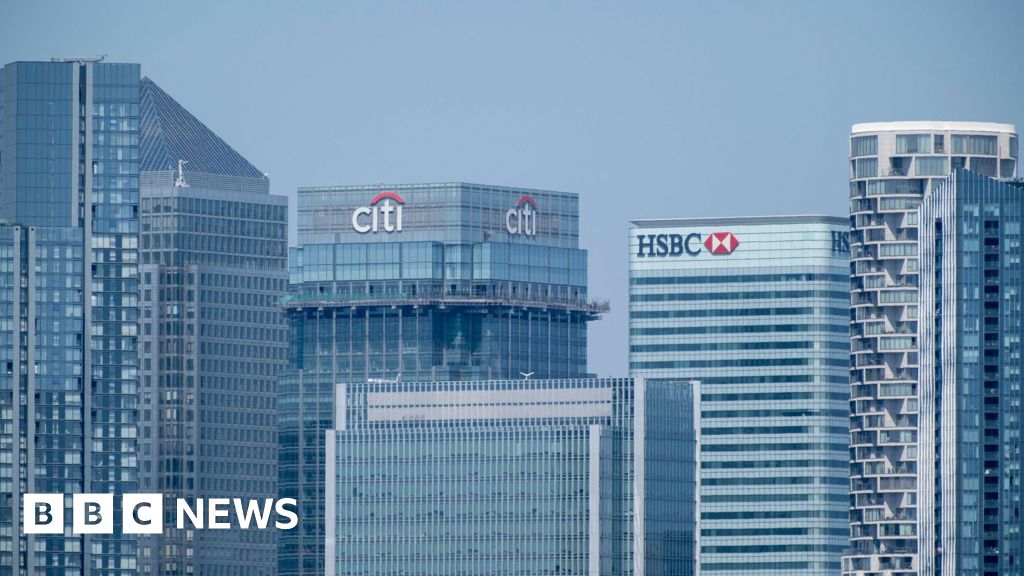
A study using internal Bank of England data on thousands of British companies estimates Brexit has cost the UK economy 6% of GDP over a decade. Half the hit came from post-referendum uncertainty, the rest from rising trade barriers after leaving the customs union and single market in 2021. Bank Governor Andrew Bailey acknowledged the negative impact on growth and export markets.

June 23, 2026
Ten Years After Brexit, Economic Damage to UK Trade Becomes Evident Trade

Ten Years After Brexit, Economic Damage to UK Trade Becomes Evident

New economic studies confirm Brexit has significantly reduced UK-EU trade diversity. According to the BBC, the UK Trade Policy Observatory at Sussex University found a 26% drop in export varieties by 2023, while Aston University research shows a 54% loss in export types and 32% in imports. Start-up Eskimo highlighted how non-tariff barriers, despite zero tariffs, slashed its EU exports from 40% to 5%.

June 23, 2026
Brexit Cost UK Economy 6% According to Bank of England Company Data Study Trade

Brexit Cost UK Economy 6% According to Bank of England Company Data Study

Economists analyzing Bank of England's Decision Maker Panel data found Brexit cost the UK economy 6% of GDP over ten years. Half the impact came from post-referendum uncertainty, half from rising trade barriers after 2021. The study used company-level data alongside five other methods, with an average estimate of 8%.

June 19, 2026
India-EU free trade deal to be inked by year-end: Ursula von der Leyen Trade

India-EU free trade deal to be inked by year-end: Ursula von der Leyen

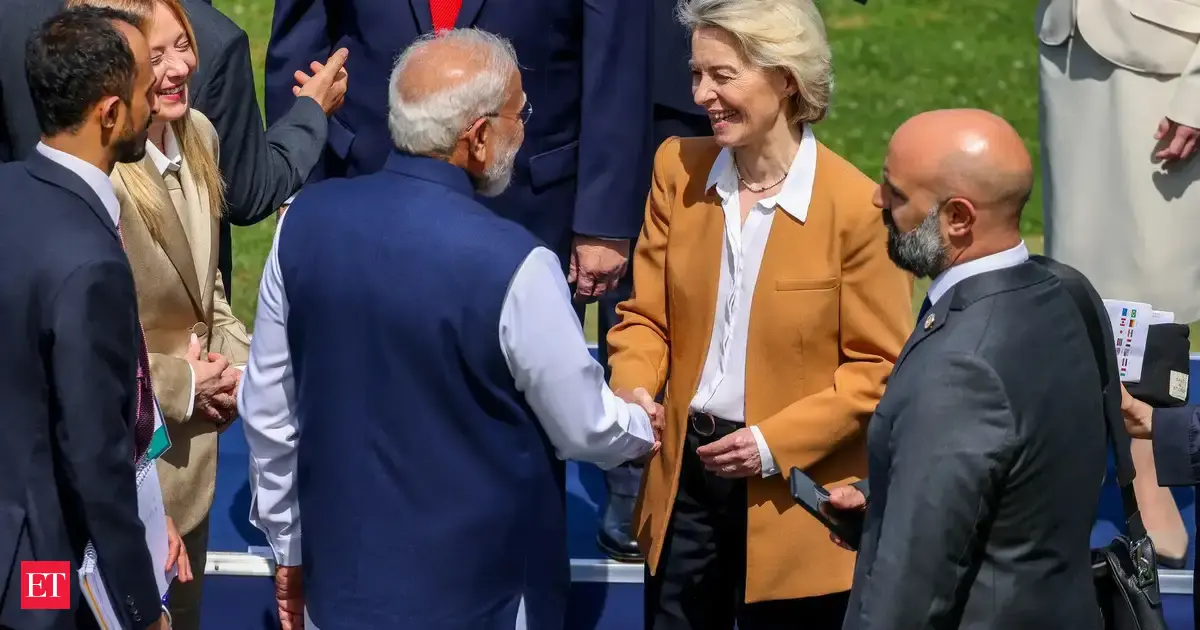
European Commission President Ursula von der Leyen announced that the India-EU Free Trade Agreement will be signed by the end of the year, with accelerated work on an investment agreement. The announcement was made at the G7 summit in Evian-les-Bains, France, in a meeting also attended by European Council President Antonio Costa. The deal, described as the 'mother of all trade deals,' is expected to significantly boost bilateral trade and investment.

June 17, 2026