Trucking fleets are absorbing an 8.6% rise in maintenance costs, and Love’s Travel Stops is pushing predictive maintenance and AI-based invoice auditing as the counter-move, according to FreightWaves. The cost pressure is driven by parts inflation from tariffs, a shortage of diesel technicians, and extended equipment trade cycles, with deferred maintenance backlogs from the past three years clouding the numbers.
Maintenance costs climb 8.6%
Fleet maintenance costs have climbed 8.6% according to the most recent ATRI report — and the pressure is showing no sign of letting up, FreightWaves reported. Parts inflation driven by tariffs, a shortage of diesel technicians, and extended equipment trade cycles are compounding the problem, pushing more fleets toward data and AI tools to recover margin.
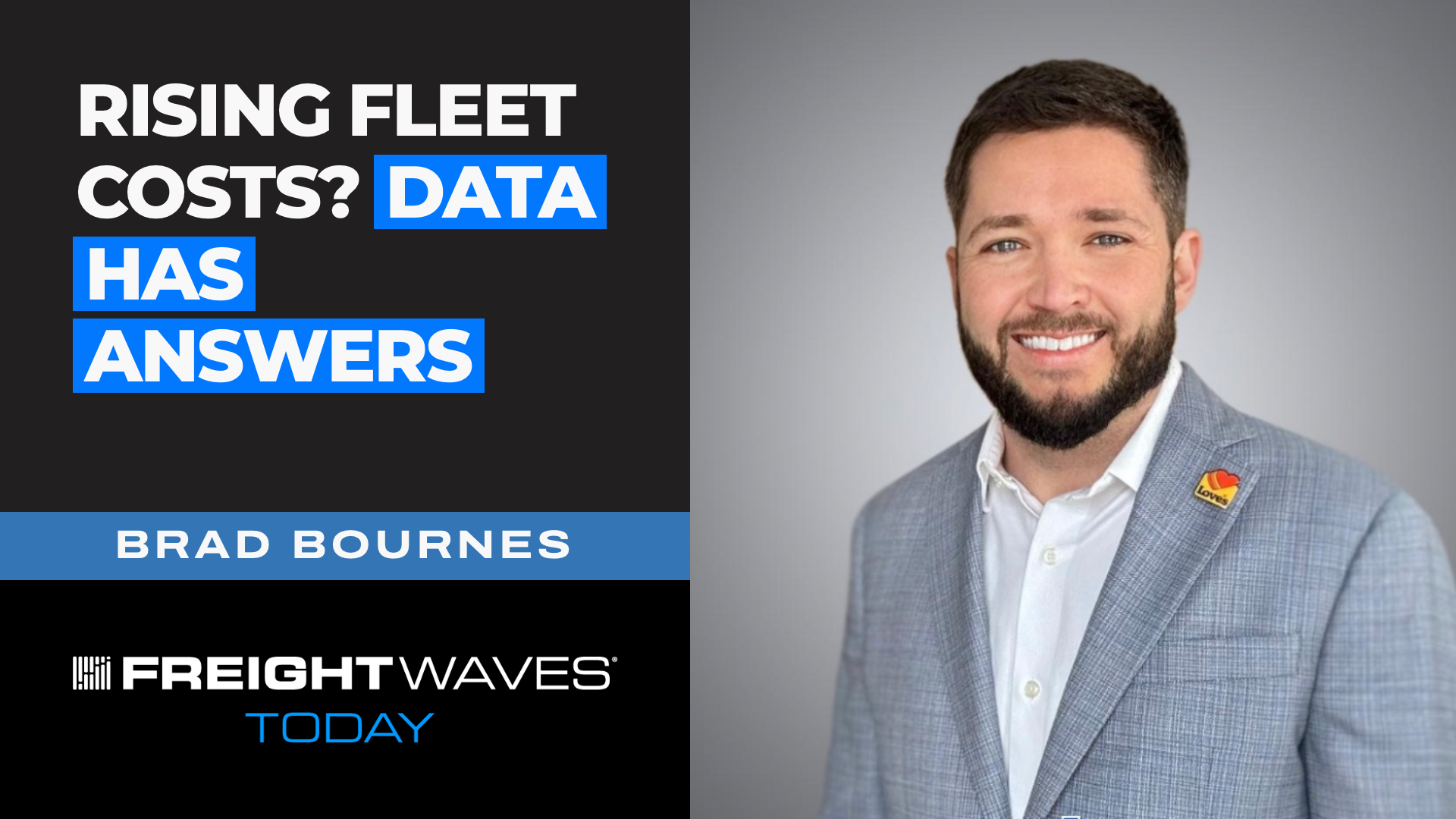
Brad Bournes — manager of fleet maintenance and service at Love’s Travel Stops and Country Stores — told FreightWaves that the industry’s response is shifting from reactive repairs to predictive maintenance powered by integrated telematics and repair-history data.
| Metric | Reported value |
|---|---|
| Fleet maintenance cost increase (most recent ATRI report) | 8.6% |
| Invoice-processing time reduction with FleetView automated import | Up to 60% |
| Maintenance cost reduction in AI-audit pilot areas | 15%–20% |
| Deferred maintenance backlogs built up | Past three years |
Predictive vs. preventive maintenance
Bournes drew a sharp distinction between the two approaches. Traditional preventive maintenance — oil changes, scheduled inspections, time- or mileage-based PMs — has historically been shaped by failures that already occurred. Predictive maintenance, by contrast, pulls together sensor data, telematics, and full repair histories to identify failure patterns before a breakdown happens. Bournes compared it to pattern recognition: “It’s just pattern matching, right?” He noted that wider public familiarity with AI over the past year has made fleets more willing to engage with the concept.
FleetView’s invoice automation and AI audit layer
The single biggest operational win Love’s has measured so far is in administrative efficiency, Bournes said. Fleets using Love’s FleetView platform to import repair and parts invoices automatically — with line items coded to VMRS standards (Vehicle Maintenance Reporting Standards) rather than lumped into broad labor and parts categories — have cut invoice-processing time by up to 60%. That time savings improves data quality, which feeds directly into the platform’s predictive models.
On the cost side, an AI audit layer checks every imported invoice against repair history, national labor and parts benchmarks, warranty conditions, and potential rework situations to flag anomalies. Fleets piloting that feature have seen maintenance cost reductions of 15% to 20% in the specific areas where the audit is applied, Bournes said, though he cautioned that deferred maintenance backlogs from the past three years are still creating noise in the numbers.
Bournes described the stakes in these terms:
The fleets that are going to win over the next few years, I believe, are the fleets that are going to adopt that technology and really turn their fleet maintenance program from a cost center to a real strategic advantage by having that visibility and be able to make those decisions quickly with the data that they need.
Bournes added that extended trade cycles — a response to higher new-equipment prices driven partly by tariffs — are increasing the frequency of costly roadside breakdowns. Roadside repairs carry a steep premium over shop repairs, creating a difficult capital decision for fleet managers weighing continued high operating costs against the capital expenditure of replacing aging iron.
FleetView embeds predictive alerts directly into the repair order workflow so technicians and outside vendors see upcoming maintenance flags in context, rather than in a separate portal. Bournes said reducing the number of logins and dashboards required to act on data has been a key adoption driver. The platform’s AI agents, which currently handle invoice import, auditing, and an AI assistant for querying fleet data, are slated to expand over the next couple of years as Love’s continues development.
Watch list
- Continued AI agent expansion at Love’s FleetView is slated over the next couple of years, per Bournes.
- Deferred maintenance backlogs built up over the past three years are still creating noise in cost numbers, Bournes said.
- Tariff-driven parts inflation and the diesel technician shortage continue to compound the problem, according to FreightWaves.
Sources: