
Topic
costs
 Logistics
 Marine Solver CEO: Undiscovered Voyage Alternatives Are Shipping's Hidden Cost
Marine Solver CEO Natalia Liashenko argues that the biggest cost in commercial fleet planning is the voyage alternative that is never calculated. She identifies four hidden cost types — undiscovered opportunity cost, time-to-decision cost, path-dependency cost and the optimisation ceiling — and explains how decision optimisation technology can surface better options before market conditions change.
 Logistics
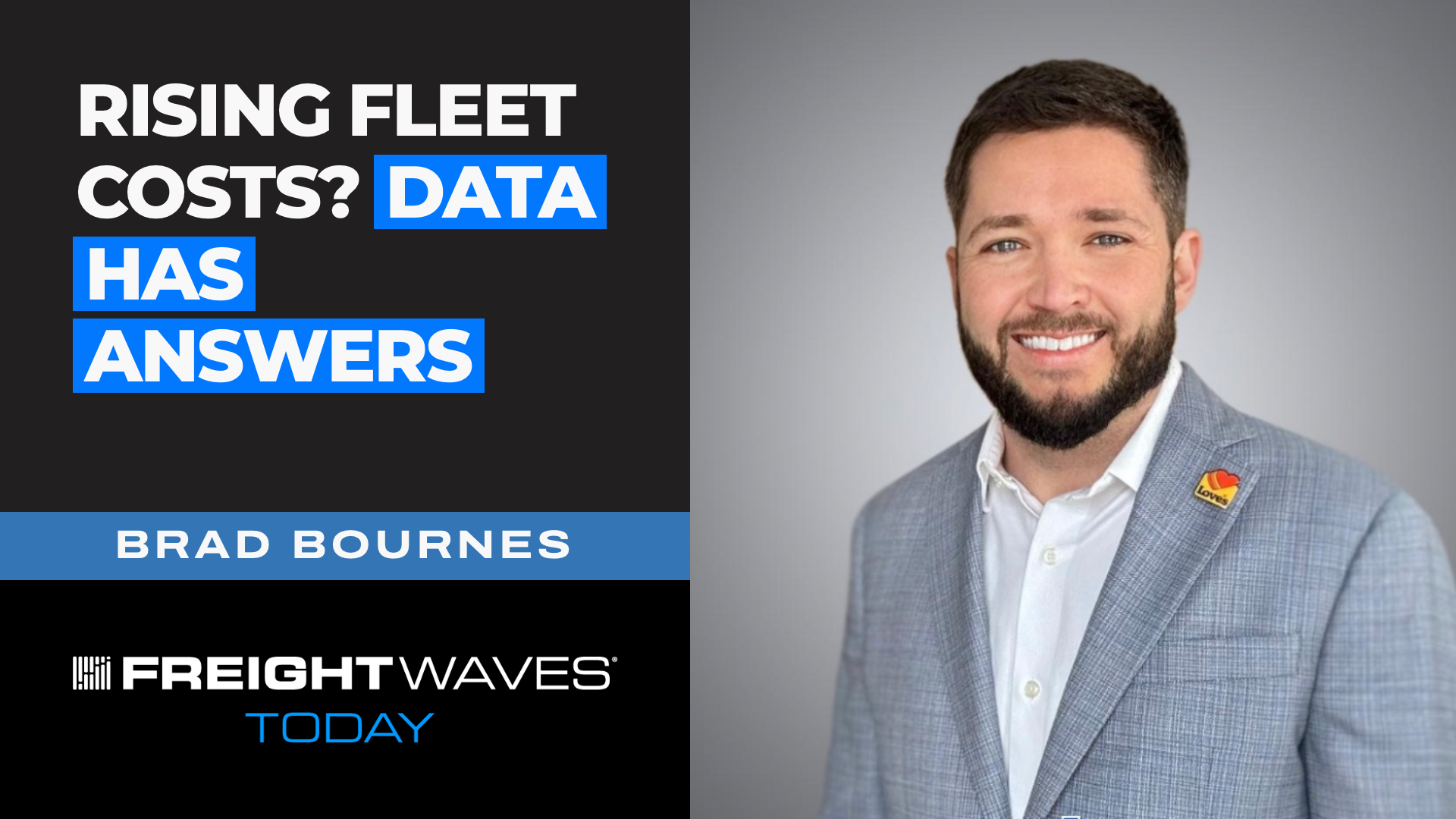
 Fleet Costs Rise 8.6%: Love's Travel Stops Pitches Predictive Maintenance and AI Auditing
Fleet maintenance costs have climbed 8.6% per the latest ATRI report, driven by tariffs, technician shortages, and extended trade cycles. Love's Travel Stops' FleetView platform cuts invoice processing time by up to 60% and maintenance costs by 15-20% in pilot areas, according to FreightWaves.
 E-Commerce & Marketplaces
 RBI Governor Malhotra Says Consumers Already Bear UPI Costs Indirectly
RBI Governor Sanjay Malhotra says consumers already bear UPI costs indirectly through the broader economy, even without explicit merchant fees. The government has proposed amendments to allow UPI merchant fees, with reports of a Rs 2,000 threshold, while Malhotra says the fee decision is premature.
 E-Commerce & Marketplaces
 Consumers already bearing UPI costs via broader economy: RBI governor
RBI governor Sanjay Malhotra said consumers already bear the cost of UPI transactions indirectly through the broader economy, even when no merchant fee is charged. He called any decision on enabling merchant fees premature, while the government has proposed amendments to the law that barred fees and reports suggest a fee could apply to transactions over Rs 2,000.
 Logistics
 Last-Mile Delivery: Why Reliability Now Trumps Speed for Consumer Satisfaction
According to FreightWaves, last-mile delivery reliability has overtaken speed as the second-most important consumer factor after price. Jake Stein of Burq explains how hybrid, API-connected carrier networks can improve reliability and reduce hidden costs.
Data centres could pay hundreds of millions in deposits for power demands under Ofgem proposals
Ofgem has proposed that data centre developers pay a refundable deposit of up to £712,500 per megawatt to connect to the electricity grid, potentially costing hundreds of millions for large projects. The measure aims to tackle speculative projects clogging the grid connection queue, which has more than tripled in a year to 125 GW. A consultation runs until 16 September.
 Business
 Hatsun Agro Product Q1FY27 PAT flat at ₹133 crore on higher material costs despite 19% revenue growth
Hatsun Agro Product (HAP) reported a 1.5% decline in PAT to ₹133 crore for Q1FY27, impacted by a 37% rise in material costs, despite revenue growing 19% to ₹3,093 crore. Chairman RG Chandramogan highlighted strong brand equity and an expanded network of 42,000+ retail outlets across 22 manufacturing facilities in six states.
 Logistics
 Trucking costs rose 3.4% per mile in 2025, outpacing inflation: ATRI report
The American Transportation Research Institute (ATRI) reported that average trucking operational costs rose to $2.336 per mile in 2025, a 3.4% increase from 2024, outpacing consumer inflation by 1.5 percentage points. Excluding fuel, costs increased 4.2% to $1.854 per mile. Driver wages rose at a sub-inflationary 2.5%, while benefits costs surged 6.6%.
 Finance
 Why electric cars cost more to insure – and what's being done about it
Electric vehicles cost 30% more to repair than petrol or diesel models, leading to insurance premiums 10-25% higher, according to Thatcham Research. Tests on a Dacia Spring show a minor crash can cause £4,000 in hidden damage, often resulting in a write-off. Industry experts call for design changes to reduce repair costs and boost EV adoption.
 Finance
 Trucking Insurance Fraud: The Digital Trap Costing Transportation Companies Millions
After a trucking accident, a hidden digital battle unfolds as fraudulent activities like spoofed websites and coordinated crime groups exploit victims. These schemes cost transportation companies millions, with AI expanding the attack surface. The article explores the threat and how businesses can protect themselves.
 Logistics
 Biofuel Boost: How the SEED Act Could Cut Trucking Costs by $1 Billion
The SEED Act, a federal blenders tax credit, could reduce fuel volatility and lower trucking costs by $1 billion, according to Jesús Guerra of Pilot Company. Reinstating the policy would boost domestic biofuel production and cut costs for consumers and the trucking industry.
E-Bike Injury Payouts Top £110m, Driving Up Motor Insurance Premiums Across UK
The BBC reports that total compensation paid to people injured by e-scooters and e-bikes in the UK has surpassed £110m, with 168 claims in 2025 alone. The costs have contributed to higher motor insurance premiums for all drivers, prompting the Motor Insurers Bureau to call for better regulation of micromobility vehicles.
Three Ways Logistics Professionals Can Avoid EES Border Check Costs at EU Airports
The EU's Entry/Exit System (EES) is causing long queues at European airports, leading some UK travellers to miss flights and incur costs. This article outlines three expert-recommended steps to avoid these costs: arriving three hours early, signing up for airline alerts, and reading travel insurance policies carefully.
 Logistics
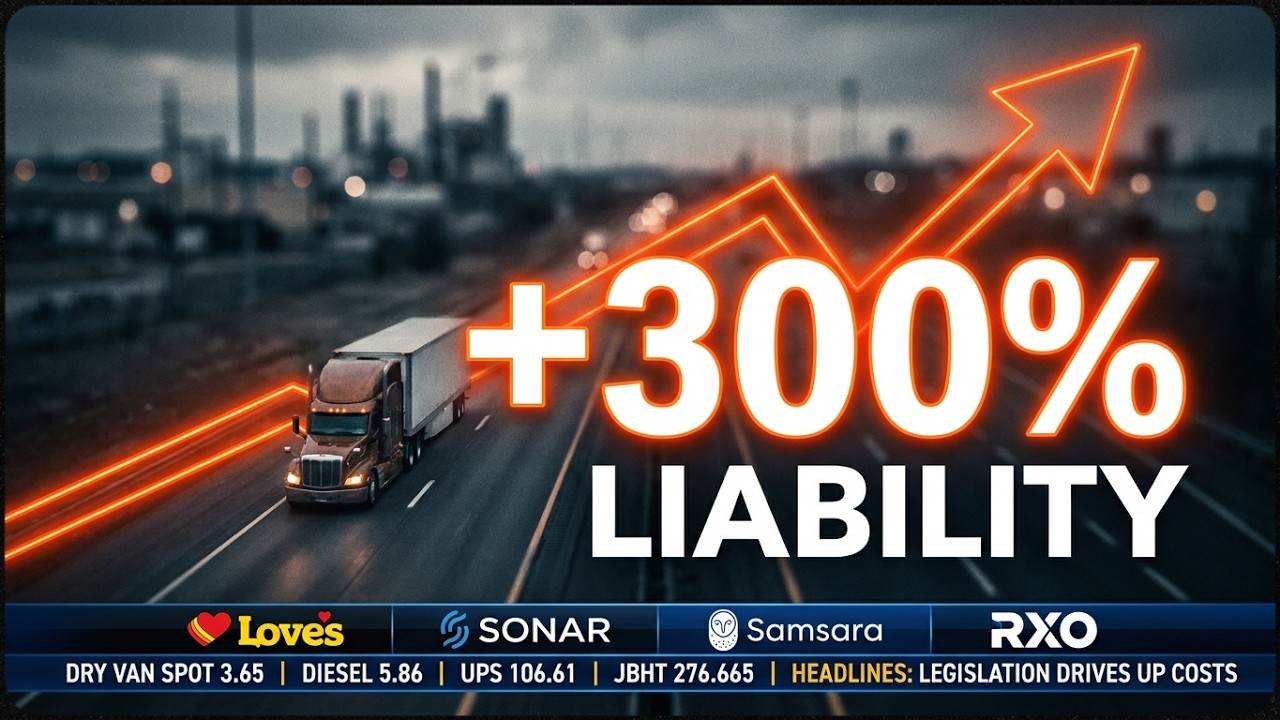
 Liability in Trucking: How Bad Legislation and Nuclear Verdicts Drive Up Costs for Brokers and Carriers
The trucking insurance market is in turmoil due to 'nuclear verdicts' and legislative changes. Cover Whale's CRO Myles Oppenheimer highlights how poor legislation and underwriting discipline create a 'self-inflicted wound' that traditional insurers cannot handle. A recent SCOTUS decision unraveling federal preemption adds further cost pressures for brokers and carriers.
 Logistics
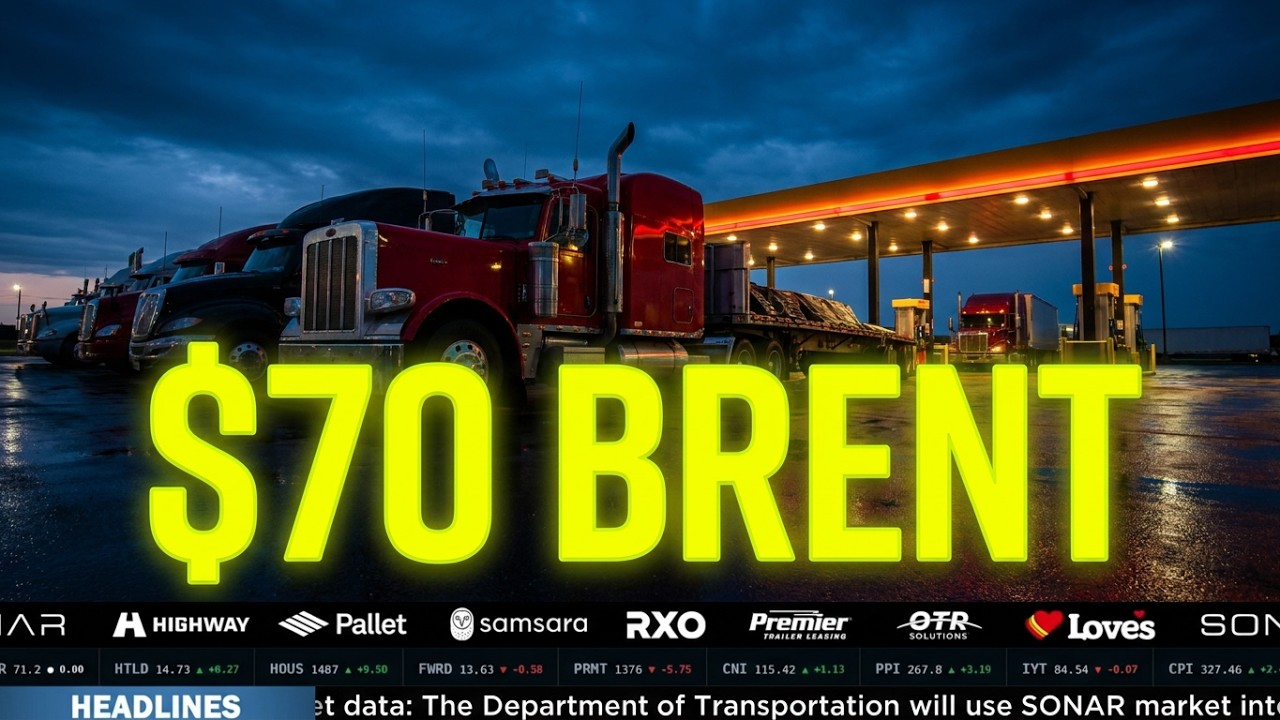
 Freight Fuel Forecast: Is Your Budget Ready for $70 Brent? Analysts Warn of Looming Crisis
Despite diesel prices falling to $4.83 per gallon, a freight fuel analyst warns that oil markets are masking a structural supply problem. Bank of America estimates over 1 billion barrels of supply lost since March, sustained by inventory draws. A tank-bottoms crisis could emerge within 4-6 weeks, and shippers should budget for Brent crude near $70/barrel in 2026.
 Logistics
 Airfares Could Rise Up to 25% as Jet Fuel Costs Surge, McKinsey Warns
A McKinsey report warns that jet fuel costs could surge due to geopolitical disruptions and refinery constraints, potentially raising airfares by 20-25%. The jet fuel crack spread may average over $50 per barrel in 2026, up from historical levels of $20 or less. Supply constraints are emerging from major exporters in the Gulf and Asia, with countries like China, India and South Korea restricting fuel exports.
 Logistics
 Ports Face Up to $30bn Annual Climate Disruption by 2050 Without Adaptation, WEF Warns
A new World Economic Forum report warns that ports failing to adapt to climate change could face annual disruption costs of up to $30bn by 2050. The report urges a nature-positive approach to port development, citing Rotterdam, Antwerp-Bruges, and Porto do Açu as early movers.
 Manufacturing
 Apple CEO Tim Cook Warns of Price Hikes as Memory Chip Costs Surge
Apple CEO Tim Cook told the Wall Street Journal that product price increases are unavoidable as memory chip costs have become unsustainable, driven by AI demand and helium supply disruption from the Iran war. Sales grew 17% in Q1 2026, but the company passed a $200 Mac Mini price increase earlier this year.
 Technology
 82% of UK IT Leaders Hit by Unexpected AI Cost Increases, Asana Study Finds
A new Asana survey shows 82% of UK IT leaders experienced unplanned AI cost increases in the past year. Over half reported risky AI outcomes leading to financial or reputational damage, while shadow AI and lack of context drive up bills.
 Logistics
 Diesel Prices Drop as Spot Demand Rises Amid Contract Failures
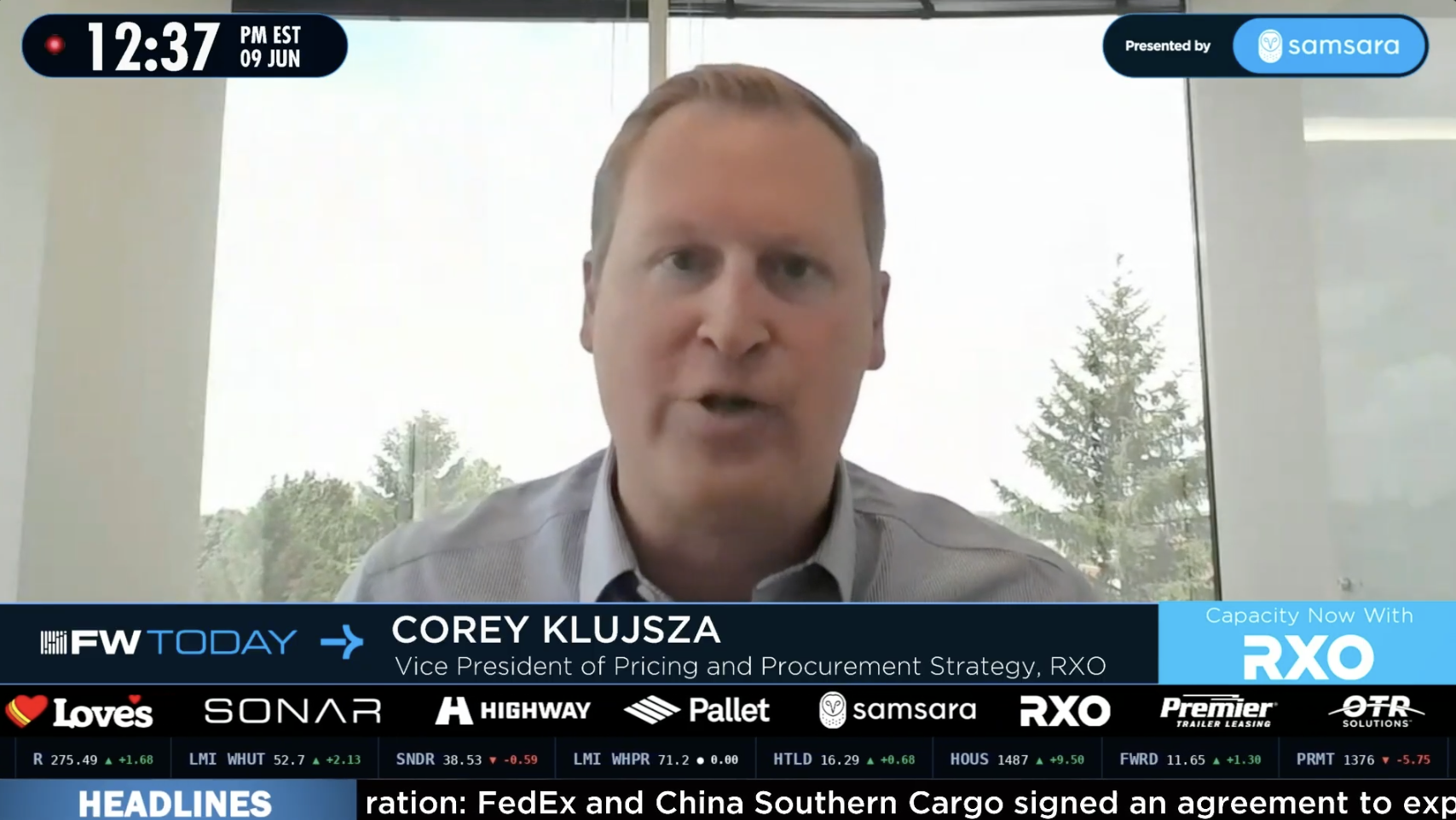
The average diesel price has dropped to $5.21 per gallon, marking a significant decrease. Meanwhile, RXO reports a rise in spot demand as contract routing guides fail, highlighting stress in traditional freight networks.
 Logistics
 CMA CGM's $2,600 Surcharge Signals Peak Season Surge
CMA CGM has announced a $2,600 surcharge on containers from the East Mediterranean to U.S. East Coast ports, reflecting peak season demand. This increase affects shipments from several countries, with implications for freight forwarders and logistics managers.
 Manufacturing
 Smartphone Brands Adjust Features Amid Rising Memory Costs
Smartphone manufacturers are adjusting features to cope with an 8-12% surge in memory costs. Brands like Xiaomi, Oppo, and Apple are compromising on display and audio quality to maintain price stability.
 Manufacturing
 Rising Costs Challenge Beverage Production Amid Summer Demand
Beverage companies are grappling with increased production costs due to supply chain disruptions and material price hikes. Aluminium can prices have risen by 15%, impacting companies like Coca-Cola and Sleepy Owl. The industry is considering passing these costs onto consumers.
 Logistics
 India's Air Traffic Decline Impacts Freight Operations
India's domestic air traffic fell by 4.2% in April due to weak demand and rising costs, affecting freight operations. IndiGo increased its market share, while Air India Group saw a decline.