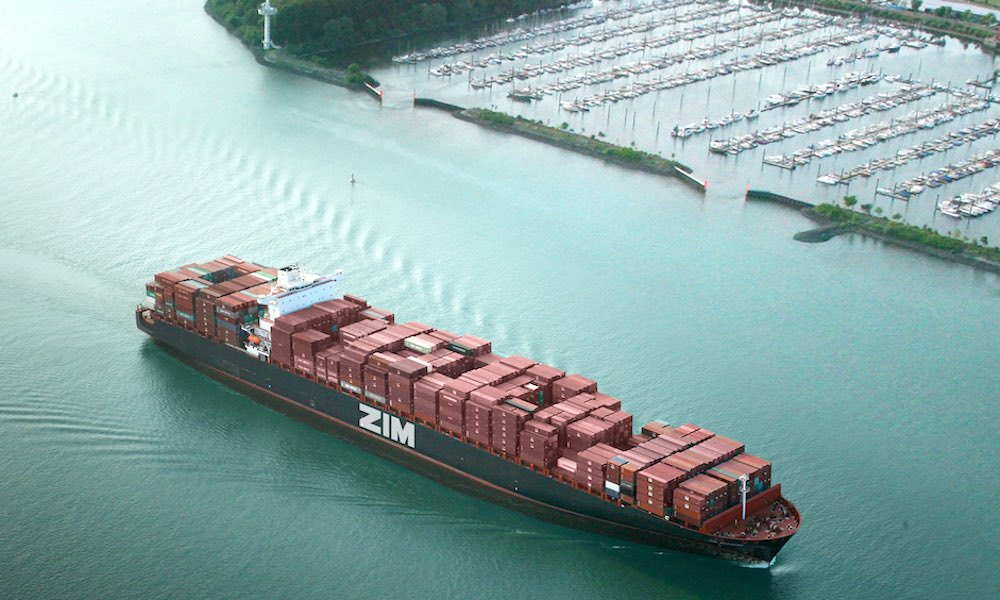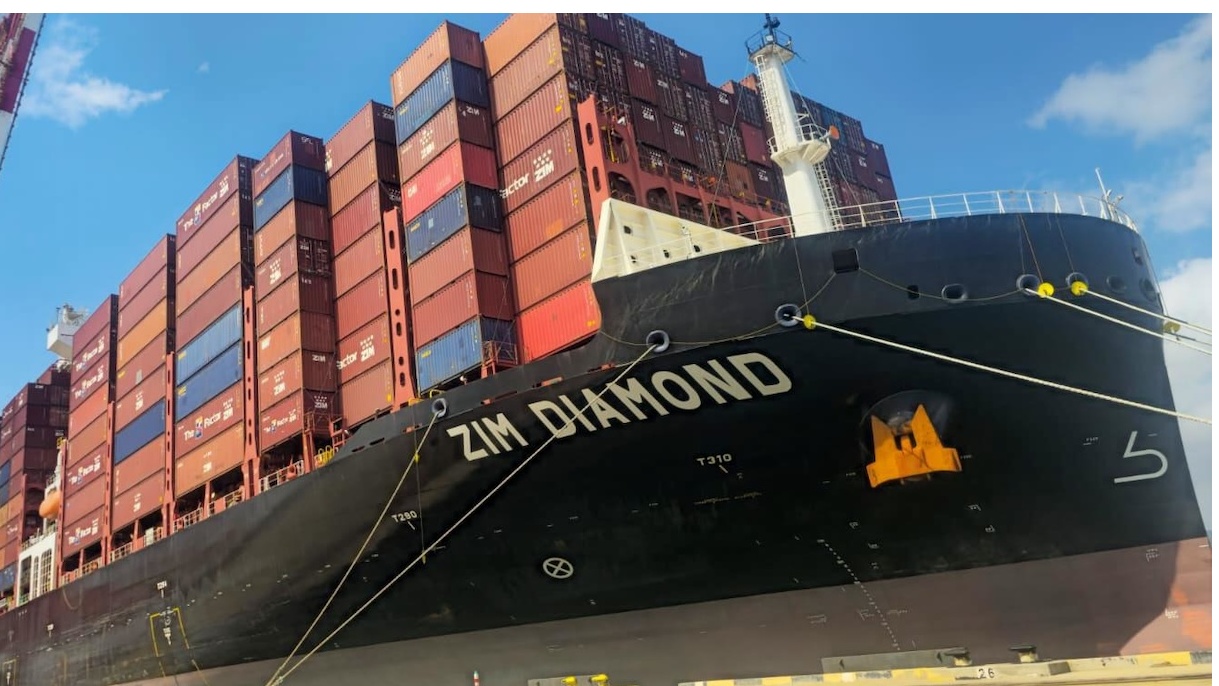
The proposed $4.2 billion sale of Zim Integrated Shipping Services, Israel's flag carrier, to Germany's Hapag-Lloyd and Israeli private equity firm FIMI Opportunity Funds is likely to be rejected by Israeli state authorities, according to FreightWaves. The deal, if blocked, would leave Zim operating independently on the trans-Pacific trade lane, where the line moves roughly 1.6 million container units a year.
Deal structure and status
In February, Zim — the world's 10th-largest container line — signed a definitive agreement to be acquired for $35 a share in cash by Hapag-Lloyd, the fifth-ranked global carrier, and FIMI Opportunity Funds, Israel's largest private equity firm, according to the report. The agreement includes a national-security carve-out that would spin off an Israeli-controlled company, New Zim, backed by FIMI. Jerusalem owns a "special state share," giving the government an effective veto over any change of control.
The merger agreement formally remains in place and is moving through global antitrust reviews. Zim, in a July update, said it is still operating under the merger agreement, cooperating with regulators, and has not withdrawn or amended the deal. Closing is still nominally targeted for late 2026, subject to regulatory and Israeli state approvals.
Regulatory headwinds in Israel
Israeli financial media report that a majority of the eight government agencies that must review the deal are expected to oppose it, led by the Shipping and Ports Authority, which has already filed a second opinion reiterating its opposition, according to FreightWaves. Authorities argue that even with the New Zim carve-out, Israeli maritime interests would be too dependent on a foreign carrier for tonnage and network access, posing national-security and economic-sovereignty risks.
| Party | Stance on the deal (per FreightWaves) |
|---|---|
| Shipping and Ports Authority | Opposed; filed second opinion reiterating opposition |
| Ministry of Defense | Opposed |
| Ministry of Economy | Opposed |
| Ministry of Agriculture | Opposed |
| Ministry of Transportation | Opposed |
| Finance Ministry's Accountant General | Opposed |
| Australia's competition regulator | Cleared the deal |
| Brazil's regulator | Deal filed for review |
An inter-agency meeting scheduled for this week was pushed to Sept. 9, suggesting more delay. After that, Hapag-Lloyd and FIMI get a final hearing at the Government Companies Authority before a decision.
Sweetened offer and what's at stake for U.S. trade lanes
Hapag-Lloyd and FIMI have reportedly sweetened the package to address Israeli concerns, according to FreightWaves. The incentives include:
- A debt-free New Zim operating 16 Israeli-flag ships
- Job guarantees and a new Israeli regional division of roughly a few hundred staff
- A technology center in Israel with 250-300 employees
Despite those incentives, reports say the Shipping and Ports Authority and several ministries, including Defense, Economy, Agriculture, and Transportation, remain opposed.
For shippers and forwarders, the regulatory impasse hits a critical lane: Zim's U.S.-linked trans-Pacific volume is roughly 1.6 million container units annually and represents just over half of Zim's container freight revenue, according to the report. If the deal is blocked, Zim would remain an independent carrier and would continue to operate its U.S.-linked trans-Pacific services; the drawn-out review leaves the merger timeline uncertain, with closing still nominally targeted for late 2026.
Outside Israel, momentum is mixed: Australia's competition regulator has already cleared the deal, and the transaction has been filed with Brazil's regulator.
Watch list
- Sept. 9: rescheduled inter-agency meeting on the sale
- Final hearing at the Government Companies Authority for Hapag-Lloyd and FIMI
- Decision by the Israeli government, which holds a special state share and veto power
- Any formal withdrawal or amendment of the merger agreement by Zim
Sources: