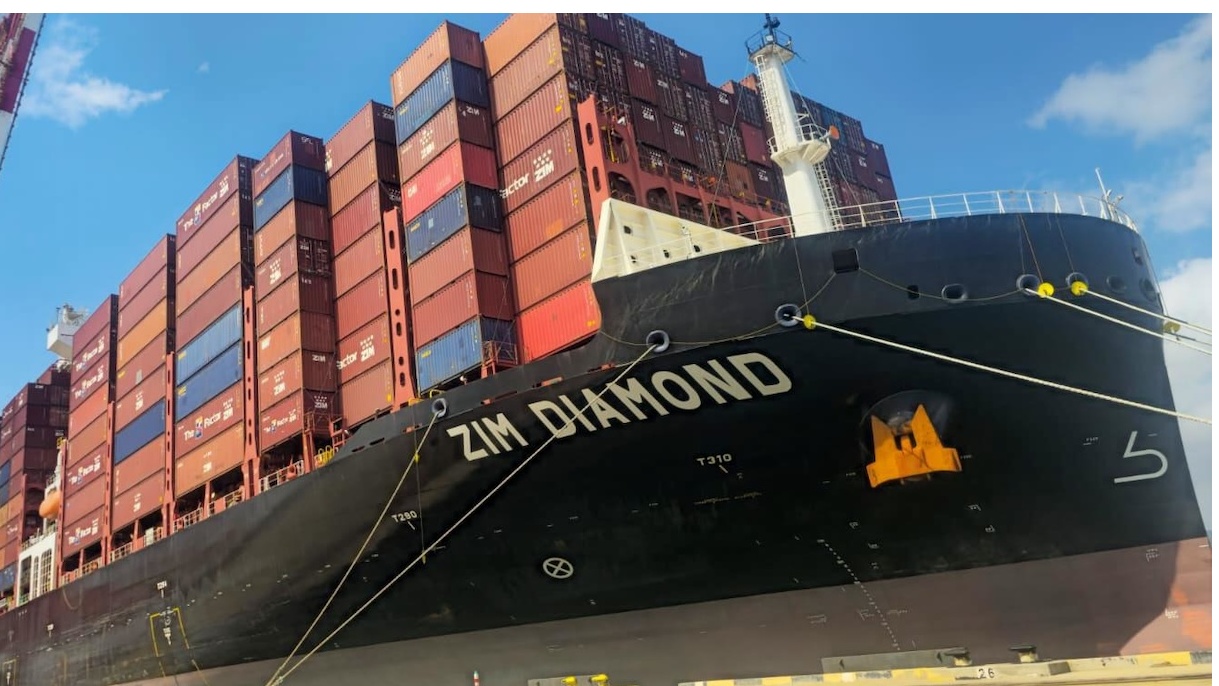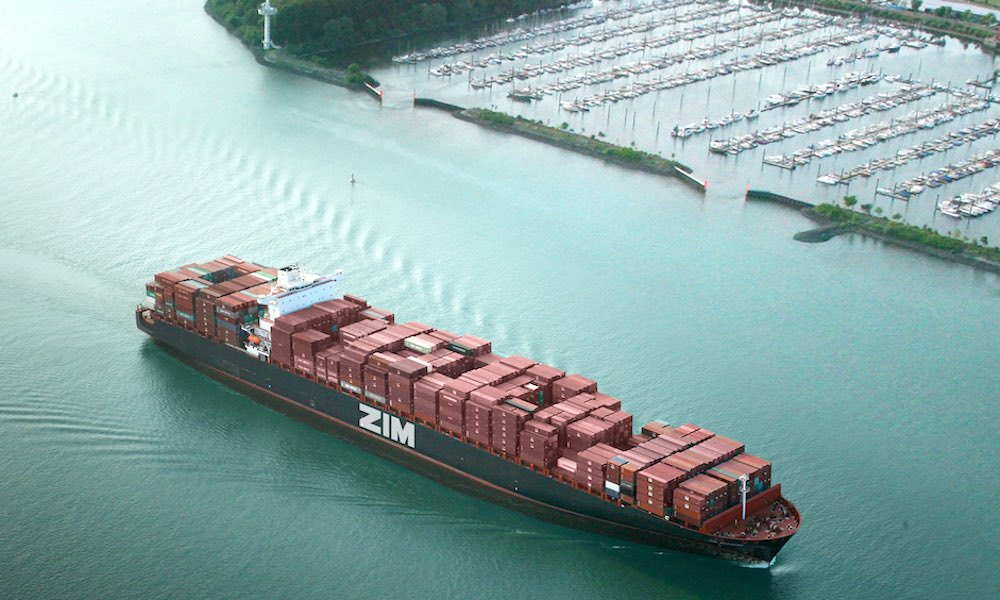
The proposed sale of ZIM Integrated Shipping Services to German carrier Hapag-Lloyd and Israeli private equity firm FIMI is facing its most serious political challenge yet after Prime Minister Benjamin Netanyahu and Defense Minister Israel Katz came out against the deal, according to Splash247.
Political Opposition and National Security
According to Israeli media, Netanyahu and Katz have urged that the transaction be scrapped, arguing that it does not adequately protect Israel’s security interests. Katz issued a statement saying the proposed structure failed to preserve those interests, sharply increasing pressure on regulators and government ministries reviewing the transaction. The deal, signed earlier this year, values ZIM at about $4.2 billion, or $35 per share.
Under the proposed structure, Hapag-Lloyd would acquire much of ZIM’s international activity, while FIMI would take the Israeli-linked operations, headquarters, government relationship and responsibility for the state’s golden share. The structure was designed to preserve an Israeli shipping core while allowing the German carrier to absorb key international assets, but it has not calmed opposition.
Critics argue ZIM remains a strategic national asset, especially after the war highlighted its importance for emergency logistics, national resilience and maritime supply security. A Knesset panel previously warned that ZIM played a vital role during the conflict, including in military and security planning.
Shareholder Sensitivity
The deal has also drawn scrutiny because Hapag-Lloyd’s shareholder base includes Qatar’s sovereign investment arm and Saudi Arabia’s Public Investment Fund, alongside major German and Chilean holders. That has made the transaction politically sensitive in Israel, even though FIMI has argued the new ZIM would remain a strong Israeli shipping company.
Impact on Carrier Alliances and Rankings
For Hapag-Lloyd, losing ZIM would be a major setback to its growth strategy. Linerlytica projections suggest that Japanese carrier Ocean Network Express (ONE) would surpass Hapag-Lloyd size-wise by early 2028 if the ZIM sale falls through. This highlights the competitive stakes for the container shipping industry.
| Scenario | Outcome |
|---|---|
| Sale proceeds | Hapag-Lloyd gains ZIM’s international assets; FIMI retains Israeli operations |
| Sale scrapped | ONE surpasses Hapag-Lloyd by early 2028 (Linerlytica); ZIM remains independent |
Shipper and Operator Implications
The uncertainty around ZIM’s sale means shippers and freight forwarders should monitor developments closely. If the deal is blocked, ZIM will continue as an independent carrier, preserving its current service offerings and alliance structure. However, if Hapag-Lloyd’s growth is stunted without ZIM, the carrier may seek alternative expansion strategies, potentially impacting capacity on key trade lanes. The political sensitivity also means any future deals involving Israeli shipping assets will face heightened scrutiny.
Watch List
- Regulatory decisions from Israeli government ministries reviewing the transaction
- Further statements from Netanyahu or Katz that could signal a formal block
- Linerlytica updates on carrier capacity rankings
- Any alternative acquisition targets for Hapag-Lloyd if the ZIM deal collapses
Sources: