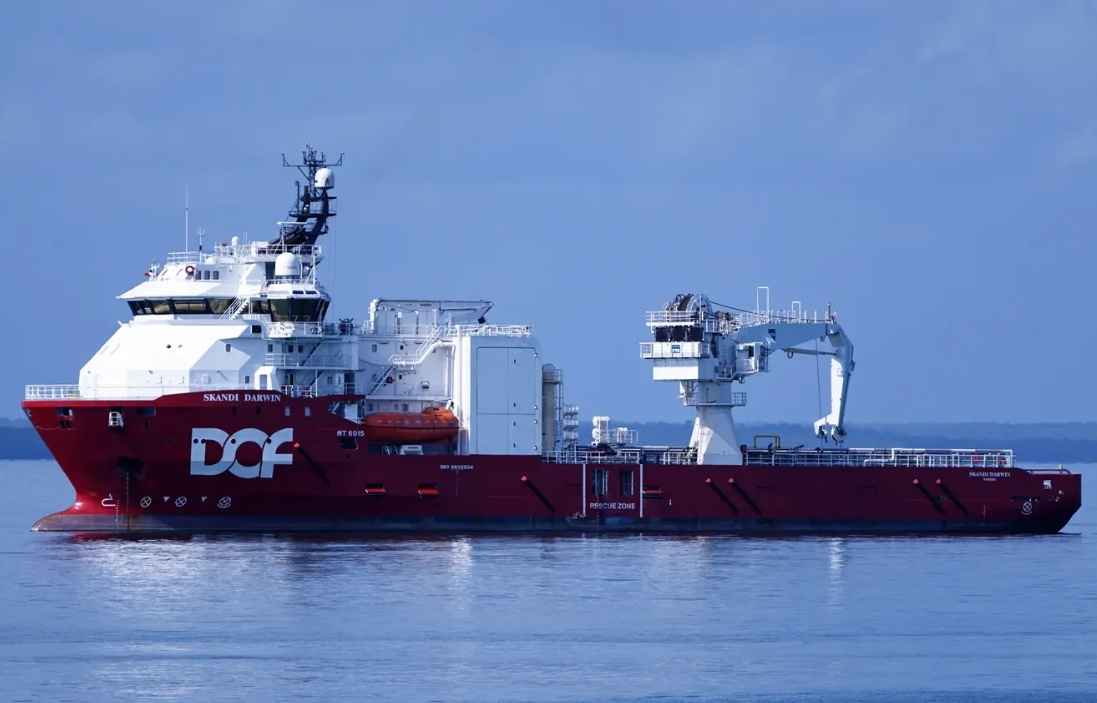
SeaBird Exploration, a marine seismic specialist and part of SED Energy Holdings, has secured a contract for ocean bottom node (OBN) source work in West Africa, according to Splash247. The campaign will deploy the 2009-built survey vessel Fulmar Explorer and is expected to have a total duration of approximately three months, including mobilisation and demobilisation.
Contract Details and Vessel Deployment
Under the agreement, SeaBird will provide OBN source capabilities for the unnamed client. The company stated that the contract reflects "continued demand for our OBN source capabilities and our ability to deliver reliable and efficient operations.” The work will be performed by Fulmar Explorer, a vessel built in 2009 and designed for seismic surveys.
The contract strengthens SeaBird's backlog and positions the vessel for follow-on opportunities in the region. Finn Atle Hamre, CEO of SeaBird, commented: “We are pleased to secure additional work for Fulmar Explorer, further strengthening our backlog. We continue to see growing demand for our services in this region, and this award positions Fulmar Explorer well for follow-on opportunities.”
Operational Timeline
Mobilisation for the West Africa campaign is expected to commence following the completion of Fulmar Explorer’s five-year classing, currently scheduled for August 2026. The entire contract, including mobilization, operations, and demobilization, will span roughly three months. This timeline places the active work window in the latter part of 2026.
Regional Implications for West Africa Offshore Operations
This contract adds to the vessel activity in West Africa, a region with active oil and gas exploration. While the article does not specify the exact country or block, the deployment of a dedicated OBN source vessel indicates ongoing subsea survey work. For logistics operators and freight forwarders servicing offshore projects, this translates to demand for crew transport, equipment handling, and supply vessel coordination during the campaign period.
The timing—after August 2026—also affects vessel availability in the region. The Fulmar Explorer will be committed for at least three months, reducing the pool of similar survey vessels in West Africa. This could tighten capacity for other seismic or survey work, potentially affecting rates for offshore support services.
Shipper and Operator Implications
Operators involved in West Africa offshore projects should note the following:
- The Fulmar Explorer will be unavailable for other charters from August 2026 through at least November 2026.
- The contract suggests sustained demand for OBN source services, which may lead to additional vessel commitments in the region.
- Freight forwarders and logistics managers supporting seismic campaigns should plan for increased material movements (e.g., node deployment equipment, supplies) during the Q3–Q4 2026 window.
| Event | Timeline |
|---|---|
| Five-year classing completion | August 2026 |
| Mobilisation start | August 2026 |
| Active OBN source operations | Approx. 3 months from August 2026 |
| Demobilisation completion | ~November 2026 |
Watch List
- Additional contract announcements for SeaBird's other vessels (e.g., Harrier Explorer or other fleet units) in West Africa.
- Changes to the Fulmar Explorer’s classing schedule that could shift mobilization.
- Regional demand for OBN and seismic support vessels from other operators, such as Polarcus or CGG.
- Oil and gas exploration trends in West Africa basins (e.g., Namibia, Senegal, Angola) that could drive further survey work.
While the source does not provide freight rate data or port congestion figures, the contract signals continued investment in West Africa offshore energy, with direct implications for marine logistics and vessel availability in 2026.
Sources: