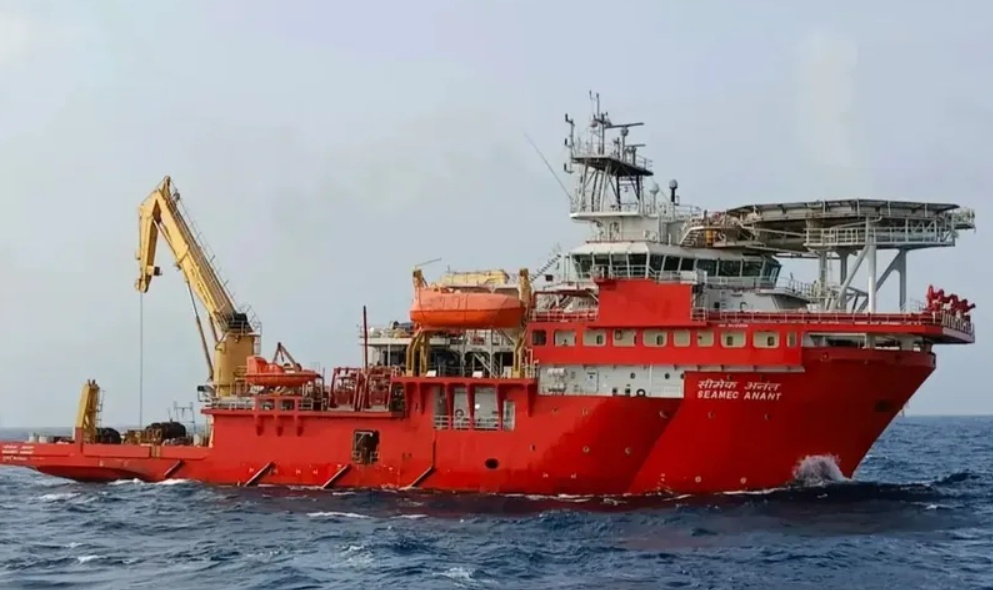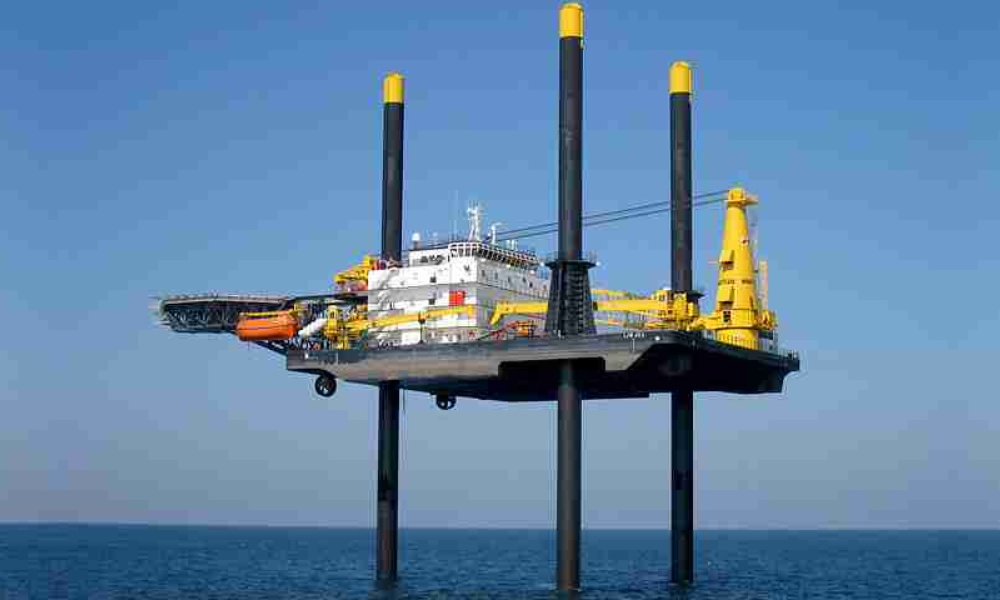
Seacor Marine’s largest shareholder is pushing the offshore vessel operator to pursue an outright sale of the company or its fleet, valued at more than $1 billion, according to a letter sent to the board and reported by Splash247. The move could reshape the availability of platform supply vessels (PSVs), fast supply vessels (FSVs), and liftboats in key markets, with potential implications for offshore logistics contractors and oil and gas operators.
The Shareholder Demand
Jorey Chernett, CEO of Michigan-based investment fund Pointillist Family Office—which holds 7.2% of Seacor Marine’s outstanding shares—sent a letter to the company’s board of directors urging an immediate evaluation of strategic alternatives. Chernett stated that Seacor Marine trades at a public market capitalisation of approximately $181 million, which he described as “an egregious discount to the net asset value and earning potential of the company’s modern, high-specification fleet.”
According to Splash247, Chernett noted that Seacor’s physical assets, per Clarksons Research among others, show an enterprise value of more than $1 billion that is not reflected in the stock price.
Fleet Valuation Breakdown
The letter provided specific valuations for each fleet segment:
| Fleet Segment | Estimated Value Range |
|---|---|
| PSV fleet | $500 million – $550 million |
| FSV fleet | $240 million – $280 million |
| Liftboat fleet | $110 million – $150 million |
Chernett argued that the value gap is “too substantial to ignore” and that the board must pursue alternatives. He also pointed out that Seacor Marine’s outstanding debt cost the company $8 million in interest expenses in the first quarter, weighing on share performance.
Strategic Alternatives Proposed
Two paths were recommended in the letter, as reported by Splash247:
- Outright corporate sale – Pointillist’s preferred option, which would keep the high-value PSV and FSV fleet intact to maximise premium pricing from strategic buyers.
- Dual-track fleet sale – A structured monetisation of the segments, with fleets divested opportunistically over time.
Additionally, Chernett urged the company to either sell or relocate its liftboats currently in the Middle East. He stated: “With the Strait of Hormuz open for approximately the next 60 days, management must capitalise on this operational window. They must either close a sale to a regional operator immediately or move these vessels out of the region right now to maintain operational flexibility.” The cash from a liftboat sale (or eventual relocation and finding work elsewhere) would pay off a large portion of the outstanding debt.
Chernett concluded that the board should “fulfil its fiduciary duties by retaining an independent financial advisor to formally evaluate all strategic alternatives … to realise value closer to the true NAV of more than $20.00 per share.”
Implications for Shippers and Offshore Operators
A sale of Seacor Marine’s fleet would directly impact the supply of PSVs, FSVs, and liftboats in the Gulf of Mexico, West Africa, the Middle East, and other offshore energy regions. Freight forwarders and logistics managers serving oil and gas clients may face reduced vessel availability or changes in contract terms if the fleet is sold piecemeal or to a single buyer. The 60-day window for liftboats in the Strait of Hormuz adds urgency: if the vessels are not sold or relocated, they may remain idle or incur repositioning costs. The company’s debt burden, reflected in the $8 million quarterly interest expense, could also affect pricing and fleet utilisation until a transaction is completed.
Shippers and operators should monitor Seacor Marine’s board response and any formal sale process, as the outcome may alter capacity on key offshore logistics routes and potentially lead to higher day rates if fleet consolidation occurs.
Sources: