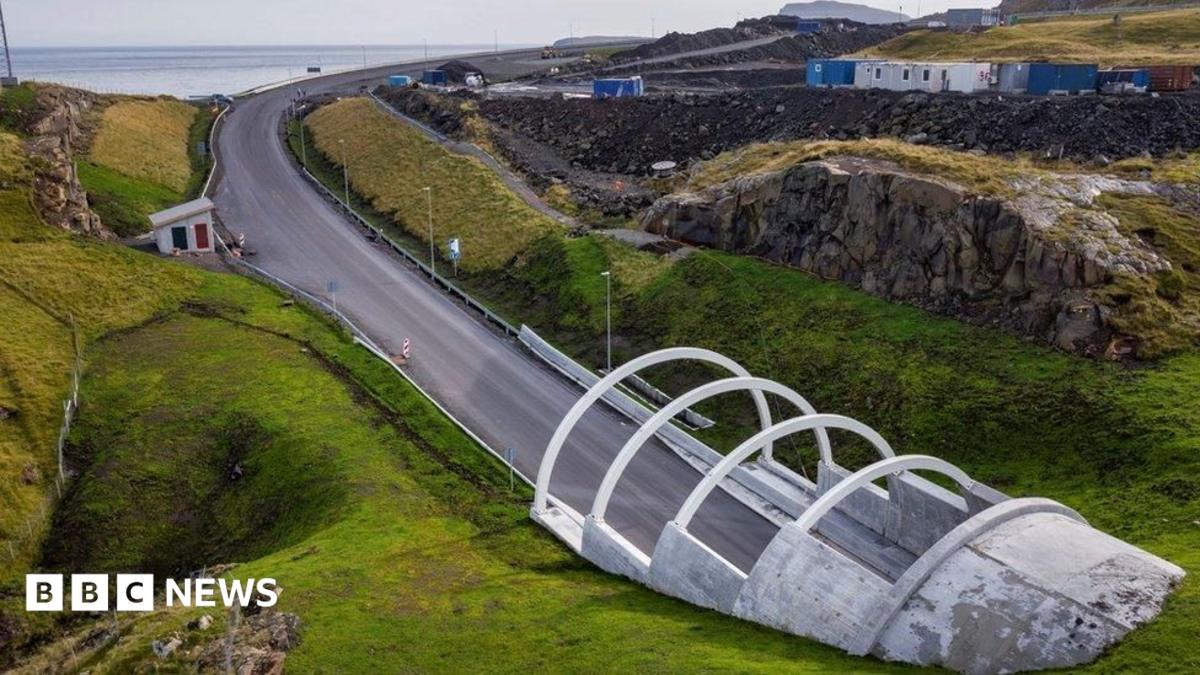
Shetland Islands Council is expected to approve on Tuesday a £1.5bn plan to replace ageing ferries with undersea tunnels, a move that could transform freight and passenger connectivity for the UK's most northerly archipelago. The tunnels, if built, would eliminate chronic capacity constraints on ferry routes that currently hinder access to key industrial sites including the UK's only spaceport.
The feasibility study, presented to Shetland Islands Council, proposes tunnels from Shetland's mainland to Yell and from Yell to Unst, describing them as "economically transformative". Two further tunnels to the islands of Whalsay and Bressay could follow. The project is expected to cost £1.5bn, and council leaders say tunnels would be cheaper than building new ferries and replacing harbours. Funding is expected to come from a mixture of private investment, public subsidy and borrowing, along with tolls covering maintenance costs.
Current Ferry Challenges
The council currently runs ferry services to nine islands, carrying around 750,000 passengers each year on 12 vessels at a cost of £23m per year. Costs have risen sharply in the past decade, with some routes struggling to meet demand for vehicle places. According to the council's transport chairperson, Moraig Lyall, "The system we have that has served us well for decades is now no longer able to do that. It doesn't have the capacity and we're struggling with other things, like the ability to crew the system adequately." Lyall added that the barriers "are not going to be easily overcome by replacing ferries with other ferries. The tunnel is the answer that we believe will help us solve these problems."
A comparison of the current ferry operation and proposed tunnel investment highlights the scale of the shift:
| Metric | Current Ferries | Proposed Tunnels |
|---|---|---|
| Annual operating cost | £23m | Tolls cover maintenance |
| Passenger capacity | 750,000/year | Unlimited (road) |
| Vessels | 12 | 0 |
| Estimated total cost | N/A | £1.5bn |
Economic and Logistics Impact
Unst is the UK's most northerly island and home to the UK's only spaceport, at Saxavord, as well as a sizeable aquaculture industry. The feasibility study says tunnels could boost direct economic activity related to the spaceport as well as spin-off benefits such as other aerospace industrial development and tourism. It says tunnels would improve the rocket facility's "competitiveness, efficiency and scope for growth" as well as improving access to labour for island businesses.
Boatbuilder Brydon Barclay of Fluggaboats on Unst said: "It's absolutely essential. At the moment, we're running with a ferry service that just isn't meeting the demand at all." Improved connectivity would directly benefit freight forwarders and logistics operators moving goods to and from these islands, reducing transit delays and allowing just-in-time deliveries to aquaculture and spaceport customers.
What This Means for Logistics Operations
For freight forwarders, 3PL operators and shippers serving Shetland, the tunnel plan represents a potential end to ferry-related capacity constraints and scheduling uncertainties. Current delays for vehicle bookings and crew shortages have created bottlenecks for time-sensitive cargo, including aerospace components and aquaculture supplies. If tunnels are built, road access would be available 24/7, reducing dwell times and enabling more efficient supply chains. The council expects tunnels to be in place within eight years, according to the feasibility study.
Watch List
- Funding approval: The council is expected to explore funding from private investment, public subsidy and borrowing. Any delays in securing finance could push back the eight-year timeline.
- Toll structure: Tolls will cover maintenance costs; the level of tolls could affect freight transport cost competitiveness.
- Environmental assessments: Undersea tunnel construction may face regulatory hurdles. The council's report showed no technical barriers, according to Lyall.
- Ferry replacement decisions: Until tunnels are built, decisions on replacing ageing ferries will continue to impact current operations.
Sources: