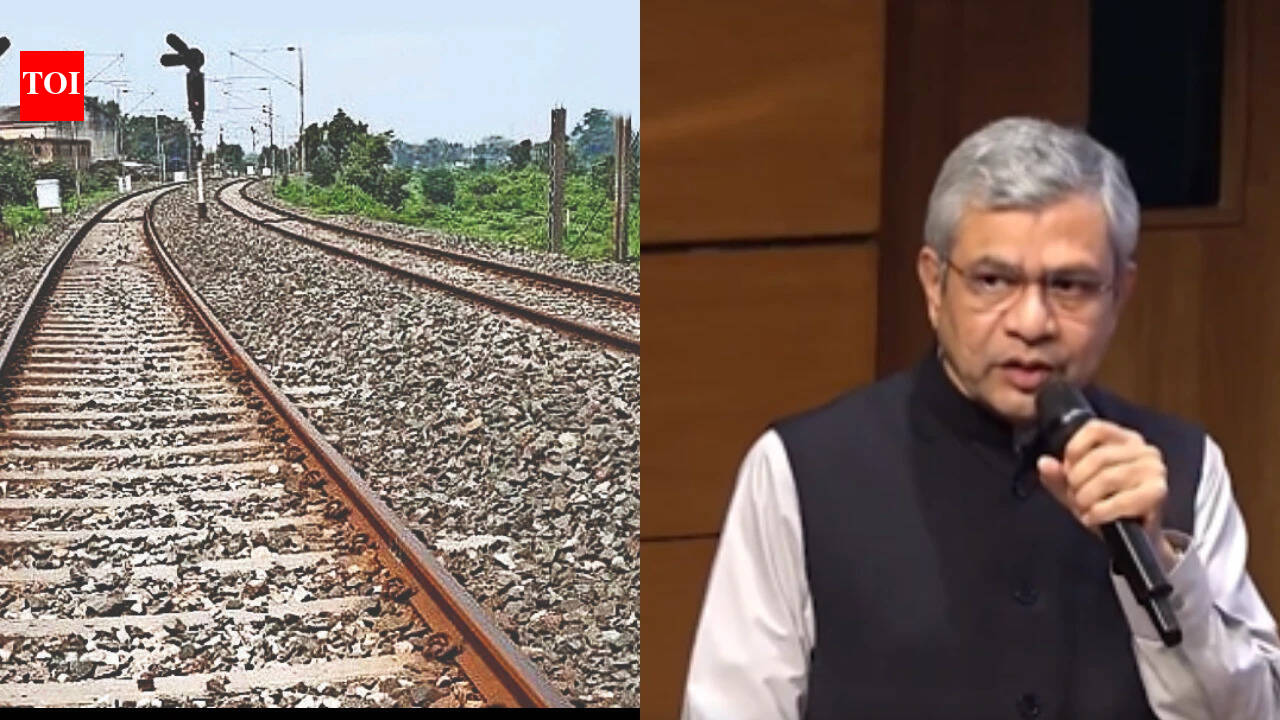
Russia is exploring an ambitious plan to build a rail link to India as a hedge against risks associated with the Strait of Hormuz and the Bosphorus, according to the Economic Times.
Russian deputy prime minister Marat Khusnullin told state-run news agency TASS that Russia needs to explore a rail link to the Indian Ocean to reduce risks from disruptions at key maritime chokepoints.
"A rail link to the Indian Ocean should also be explored. Risks related to the Bosphorus and the Strait of Hormuz might require alternative routes," Khusnullin said.
Russia is willing to explore any options that provide access to India, he said.
Two chokepoints driving the search
The Bosphorus, a narrow strait connecting the Black Sea to the Sea of Marmara, is controlled by Turkey. The Russia-Ukraine conflict has led to attacks on commercial shipping in the Black Sea, disrupting trade.
The Strait of Hormuz has been largely blocked by the US-Iran conflict. The Economic Times reported that a fifth of the world's energy passed through the strait in the past.
Candidate corridors and ports
Khusnullin said routes could be explored through Turkmenistan, Iran and Afghanistan. The International North-South Transport Corridor (INSTC), connecting Mumbai with St Petersburg via Iran, has not yet been fully utilised because of the regional situation.
Chabahar Port, India's gateway to Afghanistan, Central Asia and eastern Russia, also remains underutilised due to the conflict. India remains committed to both projects and has future plans to link the INSTC with Chabahar Port.
| Route / Chokepoint | Key fact |
|---|---|
| Bosphorus | Controlled by Turkey; Black Sea shipping disrupted by Russia-Ukraine conflict |
| Strait of Hormuz | Largely blocked by US-Iran conflict; carried a fifth of world's energy in the past |
| INSTC | Connects Mumbai with St Petersburg via Iran; not yet fully utilised |
| Chabahar Port | India's gateway to Afghanistan, Central Asia and eastern Russia; underutilised |
| Northern Sea Route | Indian government and Rosatom to sign an MoU for its use |
| Vladivostok-Chennai route | Has contributed to growing trade between India and Russia |
India-Russia trade surge
India has become the second-largest importer of Russian oil, behind China, as it seeks to secure energy supplies amid tensions in West Asia. India's crude imports from Russia surged to a record high last month, accounting for 55% of its total crude oil purchases.
Bilateral trade has also surged, with Russia emerging as a key source of:
- Coal
- Coking coal
- Fertilisers
- Sunflower oil
Related corridors
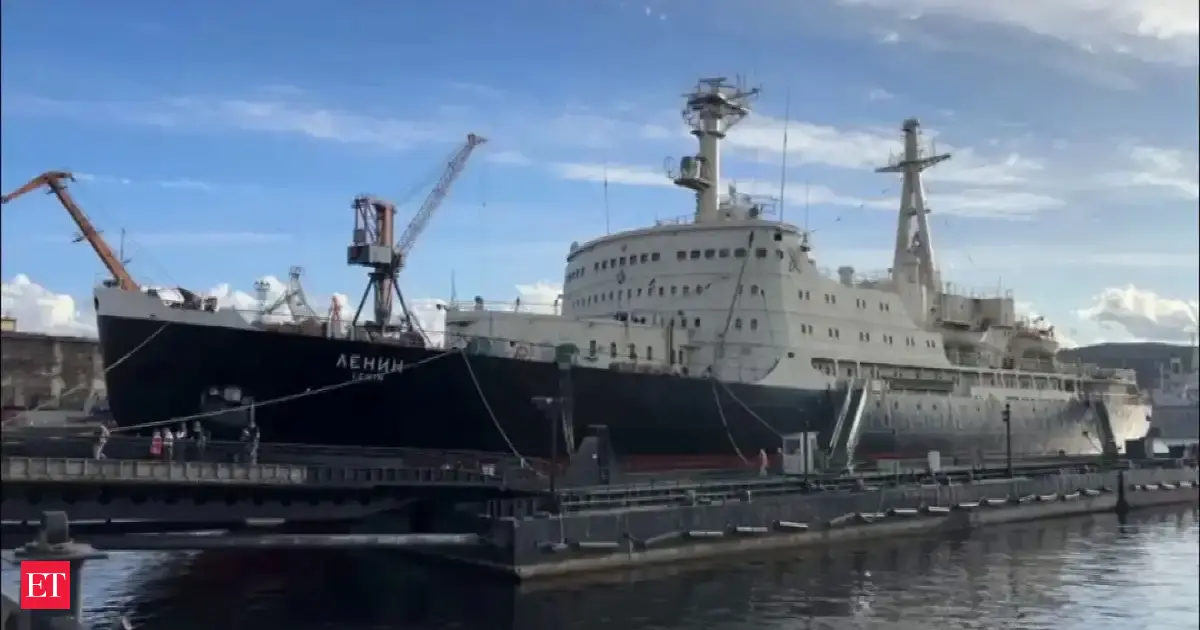
The Indian government and Rosatom will sign a memorandum of understanding for the use of the Northern Sea Route, also known as the Arctic route. The Vladivostok-Chennai route has also contributed to growing trade between India and Russia.
What this means for operators
For freight forwarders, 3PL operators and port authorities, the proposed rail link represents a potential overland alternative to maritime routing through the Bosphorus and the Strait of Hormuz — the two chokepoints Khusnullin said could require alternative routes. The Economic Times noted that the INSTC and Chabahar Port remain underutilised due to the regional situation, which suggests operational take-up will depend on how the security environment evolves. India's stated commitment to both projects, and its future plan to link the INSTC with Chabahar Port, signal that the corridor network is a strategic priority.
Watch list
- Signing of the India-Rosatom memorandum of understanding on the Northern Sea Route.
- India's future plans to link the INSTC with Chabahar Port.
- Any further disruption to the Bosphorus or Strait of Hormuz that could accelerate the rail link project.
Sources: