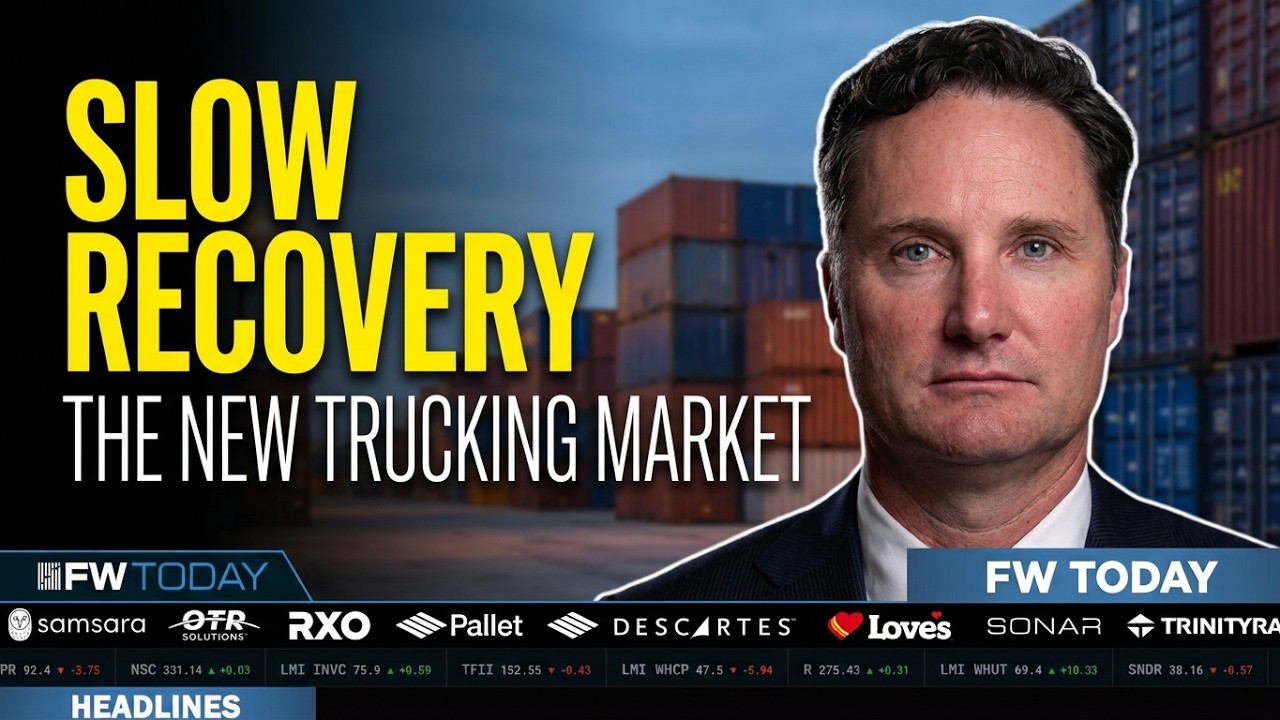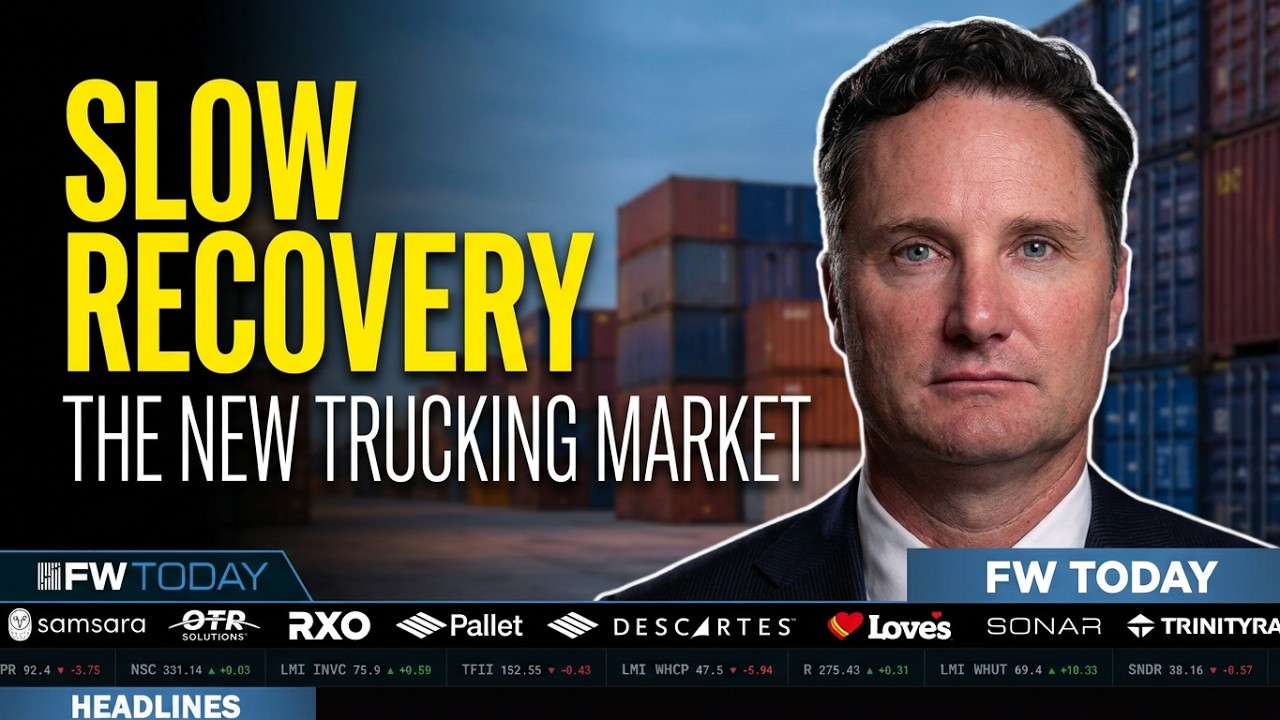
Transportation pricing continues to surge as capacity across the sector tightens further, according to the latest Logistics Managers' Index (LMI) data reported by FreightWaves. The transportation pricing index registered 92.4 in June, only 3.6 percentage points off the all-time record set in May. This marks the second-highest reading ever, signaling persistent upward pressure on freight rates.
The transportation capacity index fell to 30.8, a decline of 90 basis points from May, extending a streak of seven consecutive monthly contractions. Meanwhile, transportation utilization rose 5.2 points to 74.7, accelerating sharply within the month—from 69.2 in the first half to 78.8 in the second half, the highest reading in eight years, according to the report, which is produced in conjunction with the Council of Supply Chain Management Professionals and five universities.
Tight Capacity and Crumbling Routing Guides
Truckload fleets at a recent investor conference noted that stricter regulatory enforcement has materially reduced supply, according to the FreightWaves article. Executives reported that routing guides are "crumbling"—contractual rates set earlier in the year are no longer holding, forcing many shippers to reprice some or all of their transportation books.
Logistics managers surveyed expect conditions to stay very tight over the next 12 months, with projected readings of 42.4 for capacity, 75.8 for utilization, and 87.0 for pricing.
Retailers Rush Inventory Ahead of Peak Season and Tariffs
The overall LMI rose 1.6 points to 71.1 in June, the first time the index has crossed 70 (significant expansion) since March 2022. Inventory levels jumped 5.7 points to 60.5, driven primarily by large companies (over 1,000 employees) and downstream retailers. Restocking activity intensified as the month progressed, increasing from 55.4 in the first half to 66.3 in the back half.
| Metric | June | May Change | Notes |
|---|---|---|---|
| Transportation pricing | 92.4 | -3.6 pts from May record | Near all-time high |
| Transportation capacity | 30.8 | -0.9 pts | 7th consecutive month decline |
| Transportation utilization | 74.7 | +5.2 pts | 8-year high (second half: 78.8) |
| Inventory levels | 60.5 | +5.7 pts | Restocking surged in back half |
| Inventory costs | 75.9 | -8.1 pts vs May | 12 pts faster downstream vs upstream |
| Warehouse capacity | 47.5 | -3.0 pts | Tightening signals |
| Warehouse utilization | 69.4 | +6.5 pts | Driven by inventory inflow |
| Aggregate logistics costs | 242.1 | -8.7 pts | Down from May's record |
"Retailers appear to be encouraged by the continued strength in consumer spending, rushing in goods for the back-to-school season," the LMI report stated. The article also noted a "noted shift from the wait-and-see approach" employed through most of the spring.
Two additional factors are accelerating the inventory buildup: the desire to avoid potential tariffs, and new surcharges implemented by ocean shipping companies at the beginning of July.
Warehousing Under Pressure
As inventory levels rose, warehousing metrics tightened. Warehousing capacity declined 3 points to 47.5, while warehouse utilization increased 6.5 points to 69.4. Warehouse prices rose 3 points to 73.8, with large companies seeing significant growth to 81.9 as they took delivery of inventory.
Aggregate logistics costs—combining inventory, warehousing, and transportation—fell 8.7 points to 242.1 in June. However, May marked the fastest rate of expansion for this dataset since March 2022.
Implications for Shippers and Operators
The tightening transportation market, combined with rising warehouse utilization and inventory costs, signals that peak season preparations are already straining supply chains. Shippers should expect continued rate escalation and potential service disruptions as capacity remains constrained. Routing guide failures—where carriers reject contracted loads—are becoming more common, forcing shippers to rely on the more expensive spot market. Those with flexible warehouse networks may gain an advantage as space becomes scarcer. Proactive inbound planning and carrier relationship management will be critical through Q3.
Watch List
- Peak season volume: Further inventory builds for holiday goods could push transportation pricing to a new record.
- Tariff developments: Any new tariff announcements could spur additional front-loading, compounding capacity constraints.
- Regulatory enforcement: Continued regulatory pressure on trucking could further reduce supply.
- Warehousing rates: If warehouse capacity continues to shrink, storage costs may accelerate.
Sources: