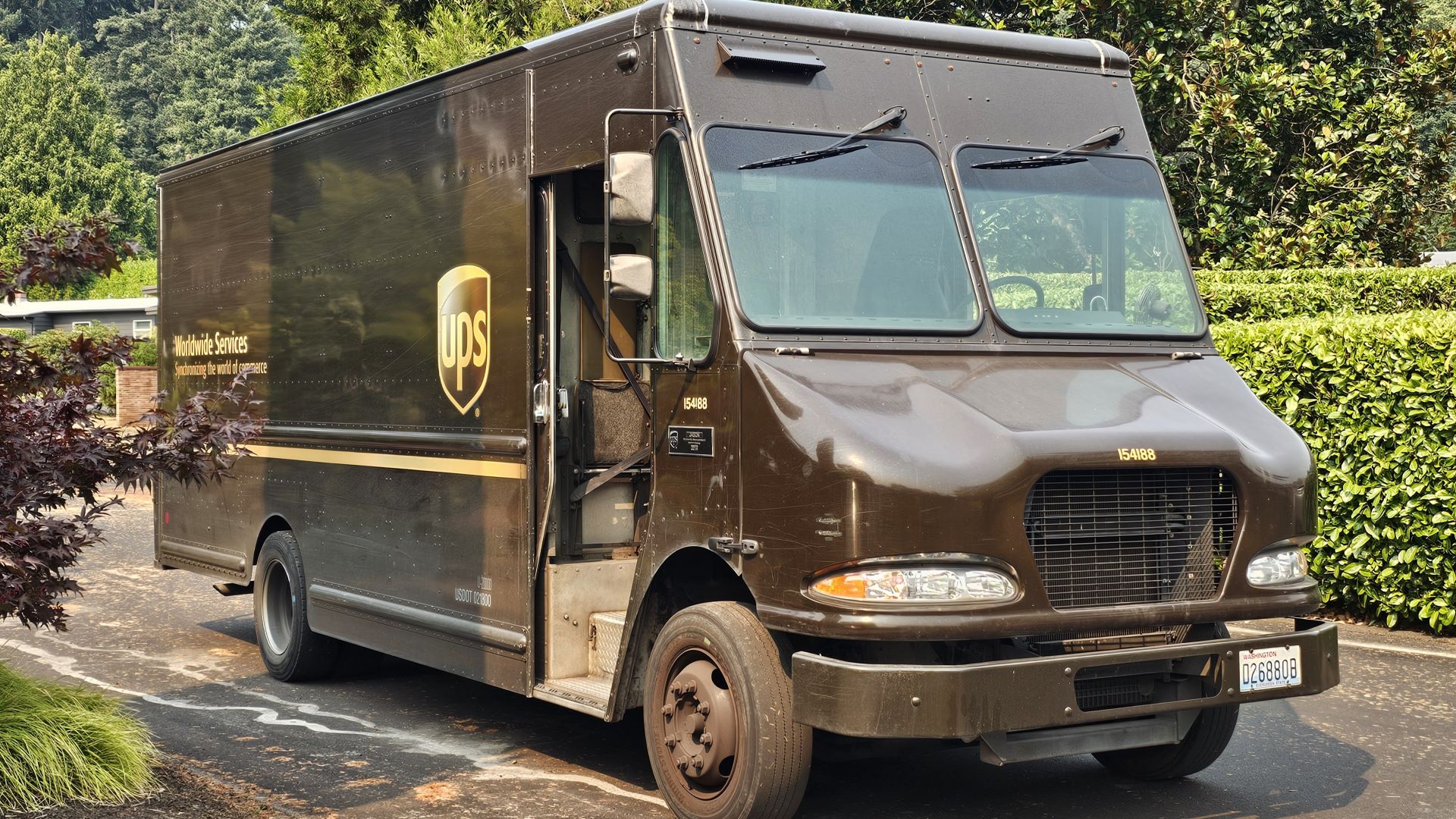
UPS intensified its push to win and retain small-and-medium businesses (SMBs) on Thursday by unveiling several digital tools designed to simplify shipping operations for sole proprietorships, according to FreightWaves. The Atlanta-based parcel giant is targeting SMBs as a key profit center while continuing to downsize its low-margin final-mile deliveries for large e-commerce shippers like Amazon.
New Digital Tools for SMBs
The new offerings include an online pickup dashboard that centralizes scheduling, management, and tracking in one location. A feature called "Smart Pickups" allows businesses to adjust pickup schedules based on when shipments are ready, rather than adhering to a fixed daily schedule. UPS stated in a news release that Smart Pickups can yield savings of up to 50% over the cost of a daily pickup. Additionally, a single-view interface for shipment details and service options simplifies label creation, reducing repetitive data entry and speeding fulfillment. The refreshed mobile app integrates with The UPS Store, providing a seamless in-store and mobile shipping experience.
Strategic Pivot to Higher-Margin Verticals
UPS management has centered its growth strategy around industry verticals — small businesses, healthcare, automotive, and B2B — that require more complex logistics and command premium pricing, rather than simply transporting online orders from local warehouses to residential doorsteps. As part of this shift, UPS relinquished handling 2 million packages per day from Amazon and is downsizing its delivery network to align with lower volumes. The company reported that SMB package volumes grew 4.3% year-over-year during the second quarter. In the first quarter, when average daily volume increased 1.6%, SMBs accounted for 34.5% of total U.S. domestic volume — the highest small business penetration in company history — and 60% of volume in Canada.
Industry Perspective
Parcel consultant Mark Waverek noted, "SMBs are critical to UPS. Often the revenue per piece is higher and helps optimize daily van capacity with smaller pickup areas in the driver’s return route." Smaller companies typically lack the negotiating power for deep shipping discounts that large shippers secure, making UPS a default choice for many. By reducing common friction points and providing reliable nationwide service, UPS aims to attract and retain more small firms, Waverek explained.
Operational Implications for Shippers and Carriers
For logistics operators, UPS's intensified focus on SMBs signals a shift in carrier capacity and pricing dynamics. As UPS pulls back from large e-commerce contracts, 3PLs and freight forwarders may find opportunities to fill the gap for high-volume shippers seeking competitive rates. Conversely, shippers relying on UPS for last-mile delivery should monitor the carrier's service adjustments, as reduced network capacity could impact transit times. The new digital tools set a higher bar for user experience, potentially pressuring competitors to improve their own digital offerings. For last-mile operators, the emphasis on higher revenue-per-piece SMB shipments suggests that carriers are prioritizing profitability over volume, which could lead to rate increases for residential deliveries from large e-tailers.
Watch List
- Earnings reports: UPS's continued SMB volume growth and margin performance will indicate the success of this strategy.
- Competitive response: FedEx and USPS may launch similar digital tools to retain small-business customers.
- Network rationalization: Further downsizing of facilities and routes could affect service reliability for all shippers.
- Last-mile cost trends: As carriers shift focus from large e-commerce to SMBs, residential delivery rates may rise, impacting 3PLs and retailers.
Sources: