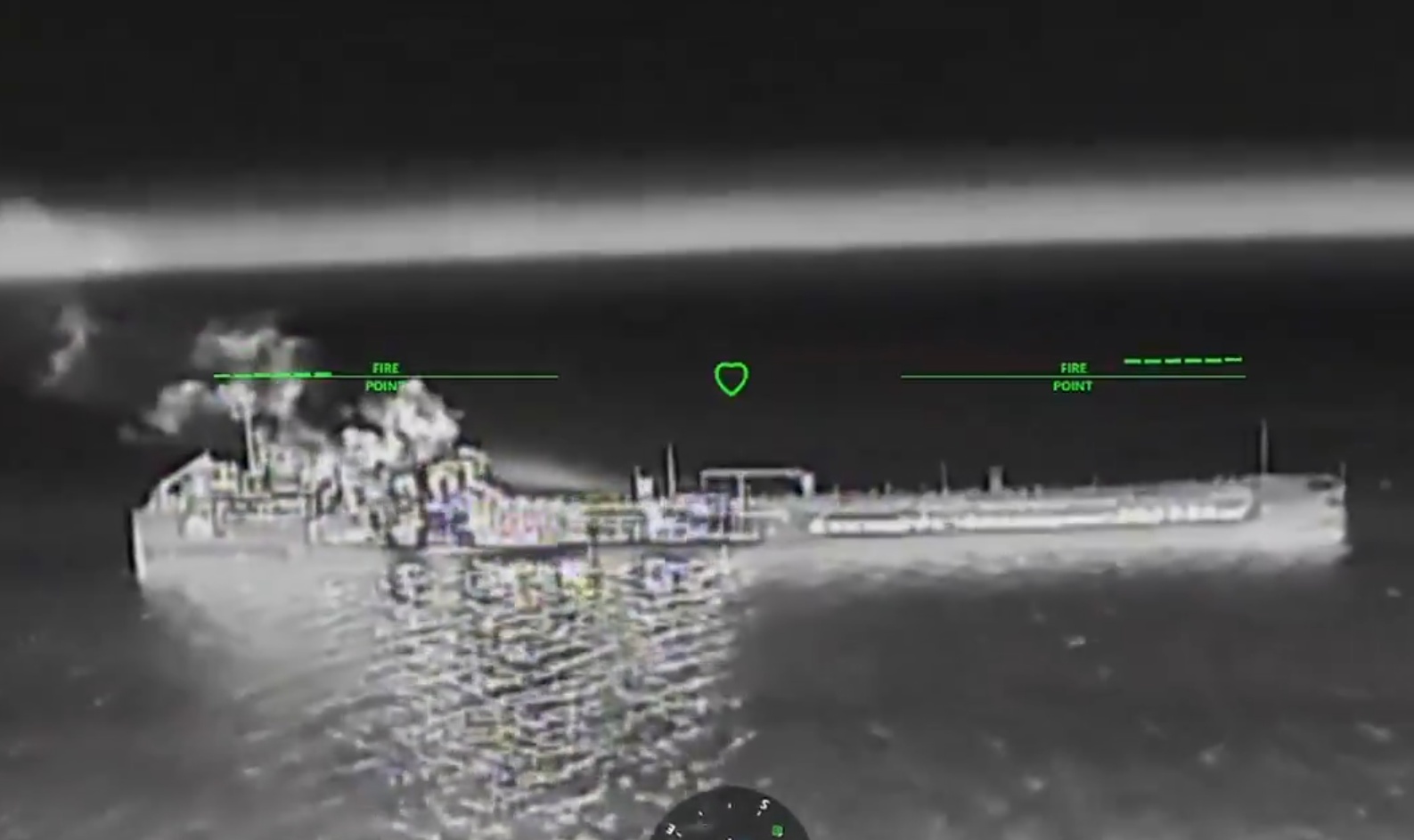
The Strait of Hormuz is facing unprecedented risk, with war risk insurance premiums soaring 33 times above normal rates, according to FreightWaves. This surge has plunged shipowners into what the report describes as "absolute confusion," as geopolitical tensions, misdeclared hazardous cargo, and a fundamental shift from efficiency to resilience reshape global shipping.
War Risk Insurance in the Strait of Hormuz
According to FreightWaves, war risk insurance premiums for vessels transiting the Strait of Hormuz have risen to 33 times their normal levels. This dramatic increase reflects the heightened danger in one of the world's most critical maritime chokepoints, through which approximately one-fifth of global oil supply passes. The following table compares the normal and current insurance cost levels:
| Metric | Normal Level | Current Level |
|---|---|---|
| War risk insurance premium | Baseline | 33x baseline |
Captain Rahul Khanna of Allianz Commercial offered insights into the pressures driving these changes, pointing to geopolitical tensions, misdeclared hazardous cargo, and a broader industry pivot from efficiency toward resilience.
Factors Behind the 'Absolute Confusion'
FreightWaves identified three primary factors contributing to the confusion among shipowners:
- Geopolitical tensions: Ongoing conflicts and instability in the Middle East have made the Strait of Hormuz a high-risk zone.
- Misdeclared hazardous cargo: Cargo that is improperly labeled or hidden raises the risk of explosions, fires, and other incidents, increasing insurance costs and operational uncertainty.
- Shift from efficiency to resilience: The industry is moving away from just-in-time, lean supply chains toward more resilient, redundancy-based models, which adds complexity and unpredictability for shipowners.
"Absolute confusion" — FreightWaves
These elements combine to create an environment where shipowners struggle to plan routes, secure insurance, and manage costs.
Shifting From Efficiency to Resilience
According to FreightWaves, the maritime industry is undergoing a fundamental transformation. The traditional emphasis on cost efficiency is being replaced by a focus on resilience — the ability to withstand disruptions. For shipowners, this means reevaluating vessel deployment, cargo screening procedures, and risk management strategies. The Strait of Hormuz situation exemplifies how a single chokepoint can force a rethinking of entire supply chain strategies.
Industry Forums to Address the Crisis
Two upcoming events will provide platforms for operators to discuss these challenges, as noted by FreightWaves:
- Supply Chain AI Symposium: A gathering of operators, founders, and enterprise leaders exploring how to deploy artificial intelligence in supply chain operations.
- F3: Future of Freight Festival: An industry-defining event featuring keynotes, technology demos, and networking in Chattanooga, Tennessee, including the inaugural F3 Awards Dinner.
These forums are expected to feature discussions on risk management, insurance, and resilience strategies in light of the Strait of Hormuz situation.
Implications for the Supply Chain
For logistics managers and freight forwarders, the Strait of Hormuz crisis means higher shipping costs and potential delays for any cargo routed through the region. The 33x increase in war risk insurance will be passed down the chain, affecting freight rates for oil, chemicals, and containerized goods. Operators should review their insurance coverage, diversify route options, and enhance vetting of hazardous cargo declarations. The shift to resilience will require closer collaboration with carriers and ports to build flexibility into supply chain plans. As the situation evolves, the industry's focus on resilience over efficiency will likely persist, reshaping long-term contracting and capacity planning.
Sources: