Maritime chokepoints are under siege as the Strait of Hormuz crisis deepens and Ukraine’s drone campaign disrupts Azov and Black Sea shipping, according to Splash247. These events are forcing carriers and shippers to reroute vessels and reassess risk exposure on key trade lanes.
Hormuz Crisis Intensifies as Containership Attacked
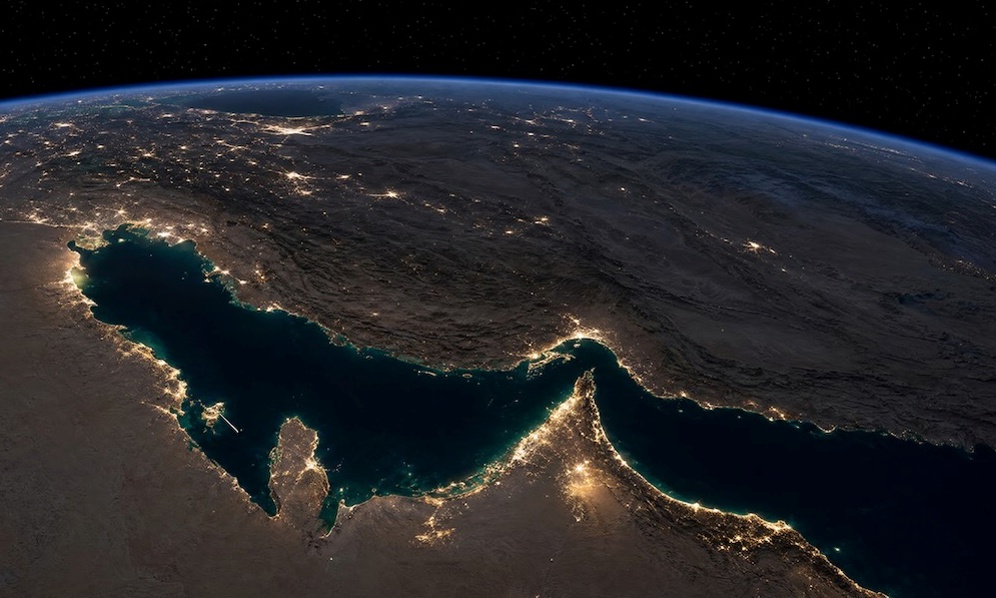
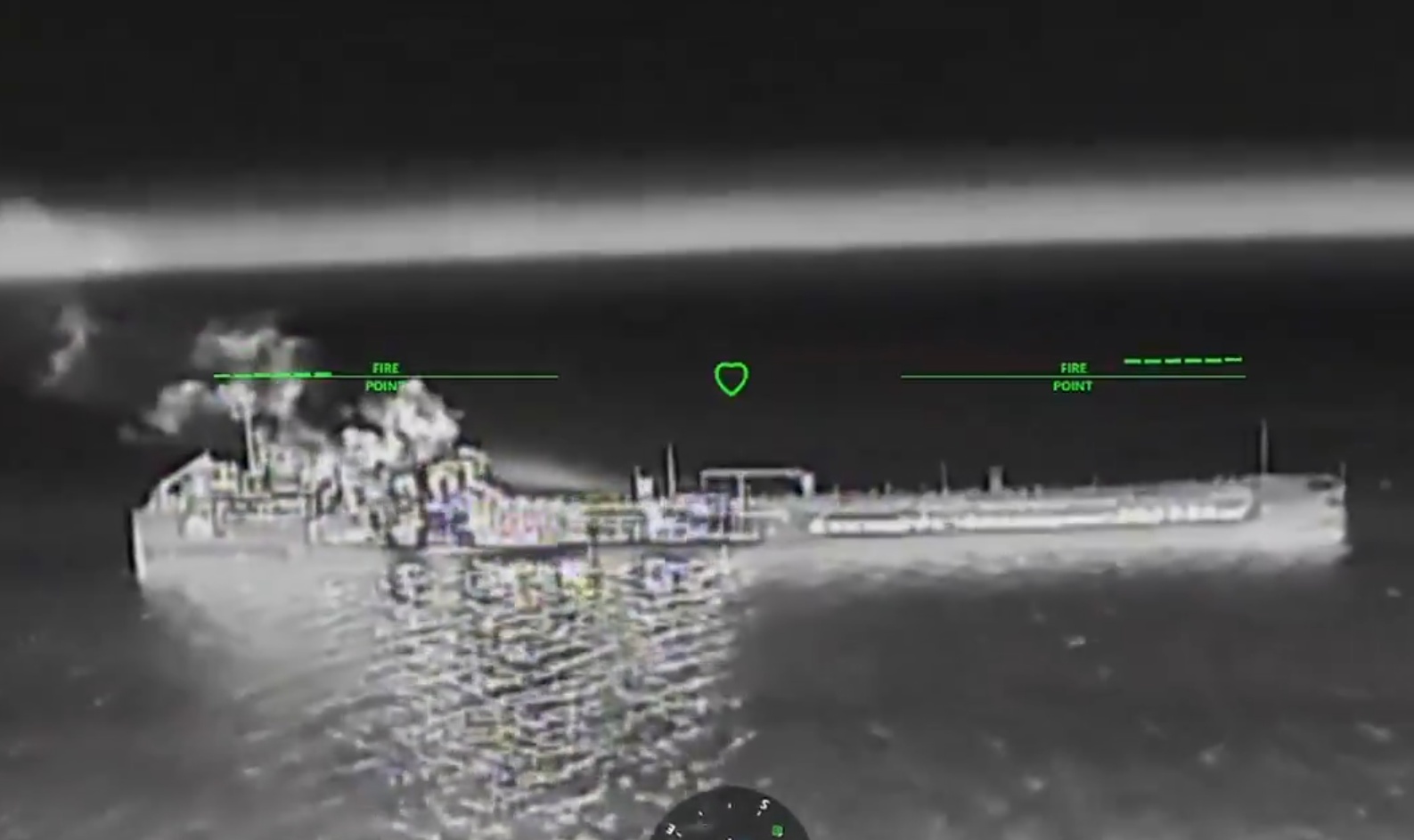
Over the past five days, the Hormuz crisis has worsened sharply. A 7,000 TEU containership operated by Global Feeder Shipping was attacked and caught fire, forcing the crew to abandon ship and prompting fresh US and Iranian strikes. According to Splash247, traffic fell to a five-week low as Tehran declared the strait closed, while Washington insisted it remained open. Donald Trump then dropped a proposed 20% transit levy but reinstated the blockade of Iranian ports. The UAE is exploring a Fujairah gateway outside Hormuz. Meanwhile, Iran reportedly told the Houthis to prepare to disrupt Bab el-Mandeb, threatening Saudi Red Sea oil exports and Suez traffic.
| Issue | Detail |
|---|---|
| Vessel hit | 7,000 TEU Global Feeder Shipping containership attacked, caught fire, crew abandoned ship |
| Traffic impact | Fell to five-week low |
| US action | Dropped proposed 20% transit levy; reinstated blockade of Iranian ports |
| Iran action | Declared strait closed; reportedly told Houthis to prepare to disrupt Bab el-Mandeb |
| Alternative route | UAE exploring Fujairah gateway outside Hormuz |
Ukraine’s Drone Campaign Targets Azov and Black Sea
Ukraine’s drone campaign has transformed the Sea of Azov into a major maritime battleground. Splash247 reported that Russia suspended shipping through the Azov-Don canal after repeated strikes on tankers, ferries, tugs and cargo ships, while traffic through the Kerch Strait also stopped. By July 15, Kyiv claimed 116 Russian vessels had been hit in nine days, including five tankers, five cargo ships and a tug overnight. Ukraine also expanded attacks into the Black Sea, claiming 20 more vessel strikes. Russia retaliated around Odesa, where attacks on four ships killed eight seafarers and injured ten, further escalating risks to regional trade.
Northern Sea Route Set for Regular Weekly Container Service
China’s Sea Legend Shipping said it is preparing to turn the Northern Sea Route into a seasonal liner product, scheduling eight weekly container sailings between China and northern Europe from mid-August through late October. According to Splash247, it would be the first regular weekly box service on the Russian-controlled Arctic corridor, moving beyond the demonstration voyages seen to date. This development could offer an alternative to the disrupted Suez route for seasonal shipments.
South Korea Probes Container Manufacturers for Price-Fixing
South Korea opened an antitrust investigation into four of the world’s largest container manufacturers, expanding regulatory pressure on companies already facing criminal and civil proceedings in the United States over alleged price-fixing during the pandemic. The probe could lead to higher container costs if penalties are imposed, affecting shippers’ equipment budgets.
Autonomous Robot Trial Paves Way for Smart Ships
Hyundai Motor and Kia’s mobile robot platform MobED successfully completed the world’s first onboard autonomous driving demonstration aboard a working vessel, a step its backers expect to accelerate the era of smart ships. According to Splash247, classification society Korean Register, together with Hyundai Motor and Kia, South Korean liner HMM, its shipmanagement arm HMM Ocean Service and Goseong Engineering, ran the trial aboard the multipurpose vessel Hyundai Dubai, berthed at CJ Logistics’ dedicated steel pier in Changwon, South Gyeongsang province. The demonstration set out to verify whether an autonomous robot developed primarily for use on land could cope with the constantly rocking environment of a ship. This technology may eventually allow robots to perform safety inspections and material transport on cargo ships, reducing crew risk.
For freight forwarders and logistics managers, the combination of escalating chokepoint disruptions — particularly the Hormuz and Azov/Black Sea crises — and potential new routes like the Northern Sea Route requires close monitoring of voyage times, insurance costs, and rerouting options. The antitrust probe into container manufacturers could further tighten equipment supply, while autonomous robot trials signal future operational changes aboard vessels.
Sources: