A potential newbuilding deal for four very large crude carriers (VLCCs) at HD Hyundai's Philippines yard signals continued investment in tanker capacity by Hong Kong-based Cido Shipping, though deliveries are years away. According to shipbuilding sources cited by Splash247, the diversified owner has been tied to four 300,000 dwt tankers priced at around $130 million each.
The Deal Details
The quartet of VLCCs is understood to be lined up for delivery between 2029 and 2030, according to shipbuilding sources. No official confirmation has been issued by Cido Shipping or HD Hyundai. Each vessel would have a deadweight tonnage of 300,000 dwt, placing them in the VLCC segment used primarily for crude oil transportation.
| Metric | Value |
|---|---|
| Number of vessels | 4 |
| Vessel type | Very Large Crude Carrier (VLCC) |
| Deadweight tonnage | 300,000 dwt each |
| Unit price | ~$130 million |
| Delivery window | 2029–2030 |
| Owner | Cido Shipping (Hong Kong) |
| Yard | HD Hyundai's Philippines facility |
Cido's Tanker Ordering Spree
The reported deal would add to a heavy run of tanker ordering by Cido, which has been active across several ship types in recent years. Splash247 reported that Cido has already been linked to a string of tanker projects at HD Hyundai yards, including suezmaxes and product carriers. In 2020, Splash247 noted that Cido had ordered a pair of 300,000 dwt VLCCs at Hyundai Heavy Industries, marking its return to newbuilding after several years away from the market.
HD Hyundai's Philippine Shipbuilding Revival
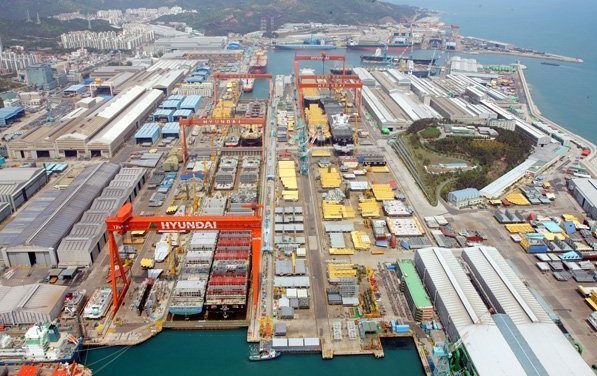
Cido has also been connected to HD Hyundai's revived Philippine shipbuilding operation at Subic Bay, where the group has started work on LR2 product tanker newbuildings. The Philippines yard, located in Subic, represents a key part of HD Hyundai's global shipbuilding capacity. The potential VLCC order would further underscore the yard's ramp-up in large-vessel construction.
Implications for the Tanker Market
For freight forwarders and logistics managers monitoring ocean freight capacity, the newbuilding order points to long-term expectations of sustained crude oil shipping demand. However, with deliveries not expected until 2029–2030, the immediate impact on spot tanker rates or fleet supply is negligible. The deal signals that owners like Cido are willing to commit capital to large crude carriers, potentially adding to the orderbook in a segment that has seen fluctuating demand. Operators should note that continued ordering could pressure future freight rates if demand growth does not keep pace with fleet expansion. The involvement of HD Hyundai's Philippine yard also highlights a shift in shipbuilding geography, which could influence future pricing and delivery flexibility for tanker owners.
Sources: