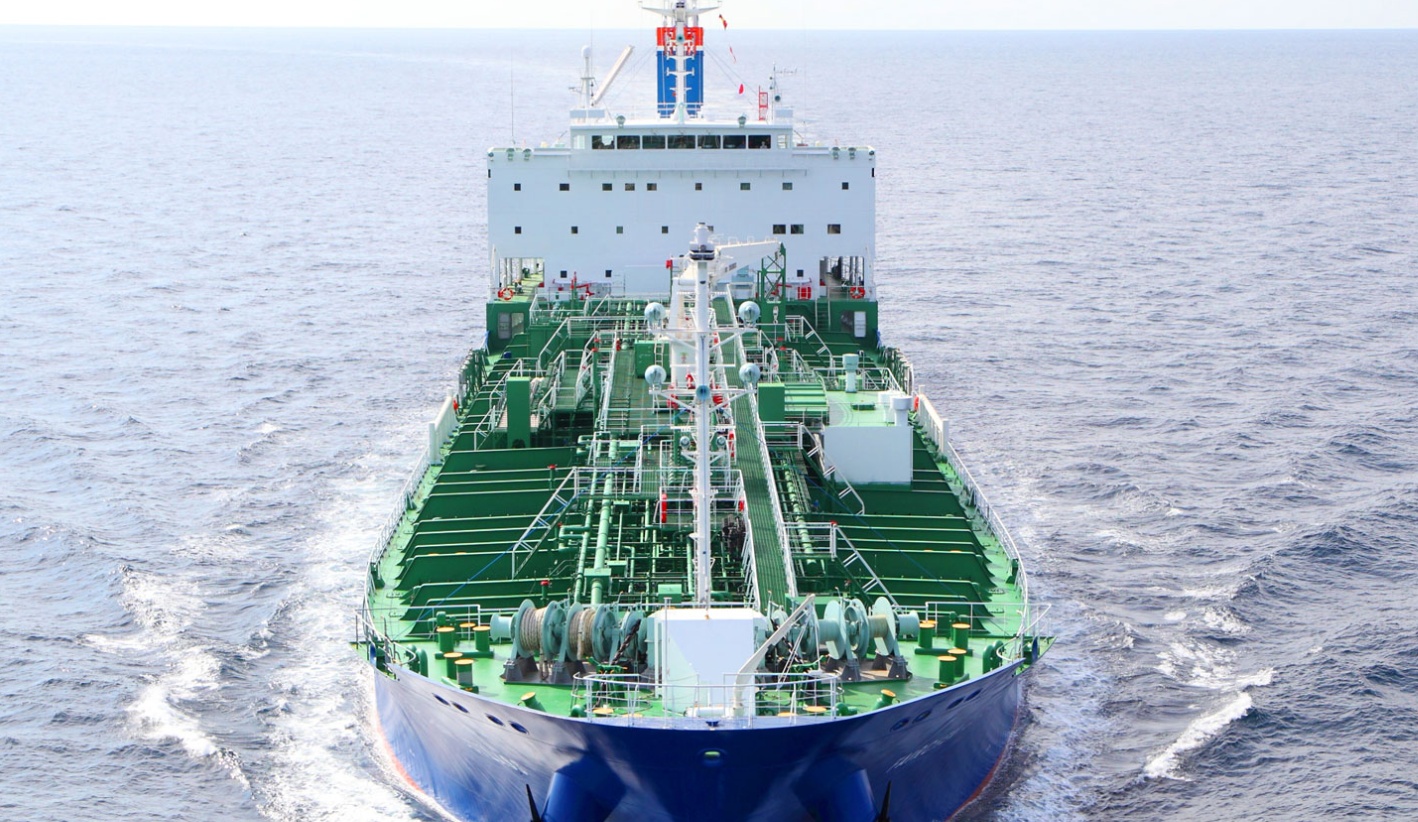
A new charter deal between Fairfield Maritime Japan and Finnish refiner Neste will deploy two ice-class MR product and chemical tankers on routes to and from the Baltic, ensuring year-round connectivity to Neste's Porvoo refinery even during severe winter ice conditions.
According to Splash247, Fairfield Maritime Japan has secured a long-term charter from Neste covering two ice-class MR product and chemical tankers, each of 50,000 deadweight tonnage (dwt). The agreement allows Fairfield Maritime Japan to finance and manage construction of the vessels at South Korea's HD Hyundai shipyard. The ships are due to be handed over during the first and second quarters of 2029.
Operational Context and Vessel Specifications
The newbuildings will transport renewable fuels, oil products, and other cargoes to and from Neste's Porvoo refinery in Finland. Both ships will be built to Ice Class 1A standards, which allows them to operate with icebreaker assistance under Finnish-Swedish ice-class rules. This specification is intended to maintain year-round access to Porvoo during difficult Baltic winter conditions.
The vessels will initially burn low-sulphur fuels but will be designed for potential conversion to methanol. They will also be prepared for shore-power connections and fitted with wind-assisted propulsion systems to supplement their main engines.
| Specification | Detail |
|---|---|
| Vessel type | MR product and chemical tanker |
| Deadweight | 50,000 dwt |
| Ice class | Ice Class 1A (Finnish-Swedish rules) |
| Builder | HD Hyundai (South Korea) |
| Delivery | Q1 and Q2 2029 |
| Fuel | Initially low-sulphur; methanol-ready |
| Green features | Shore-power connection, wind-assisted propulsion |
Affected Trade Lanes and Fleet Impact
The primary trade lane affected is the Baltic Sea route serving Neste's Porvoo refinery. During winter months, conventional tankers can face restricted access to Finnish ports due to ice. The Ice Class 1A designation — the highest in the Finnish-Swedish ice-class system — allows these vessels to transit with icebreaker support, significantly reducing winter-related delays. For shippers and receivers of renewable fuels and oil products in the Baltic region, this charter ensures reliable vessel availability regardless of seasonal ice conditions.
Fairfield Maritime Japan, established in 2025 as a wholly owned subsidiary of New York-based Fairfield-Maxwell — the Sugahara family office — focuses on ship construction, ownership, investment, and leasing. The long-term charter structure reduces exposure to spot rate volatility for both the owner and the charterer.
Shipper and Operator Implications
For freight forwarders and logistics managers handling cargoes destined for or originating from the Baltic region, the ice-class tankers provide greater supply chain certainty. The use of renewable fuels on these vessels aligns with tightening emissions regulations in European waters. Operators should note the methanol-ready design, which may ease compliance with future low-carbon fuel mandates. The wind-assisted propulsion and shore-power readiness also offer potential fuel savings and emissions reductions.
Watch List
- Delivery timeline: The first vessel is scheduled for delivery in Q1 2029, the second in Q2 2029. Delays at HD Hyundai could push back charter commencement.
- Methanol conversion: While the vessels are initially configured for low-sulphur fuel, the option to convert to methanol could be triggered by regulatory changes or Neste's own renewable fuel strategy.
- Baltic winter conditions: Severity of future winters will determine the operational advantage of ice-class tonnage; a series of mild winters could reduce the premium for ice-class vessels.
Sources: