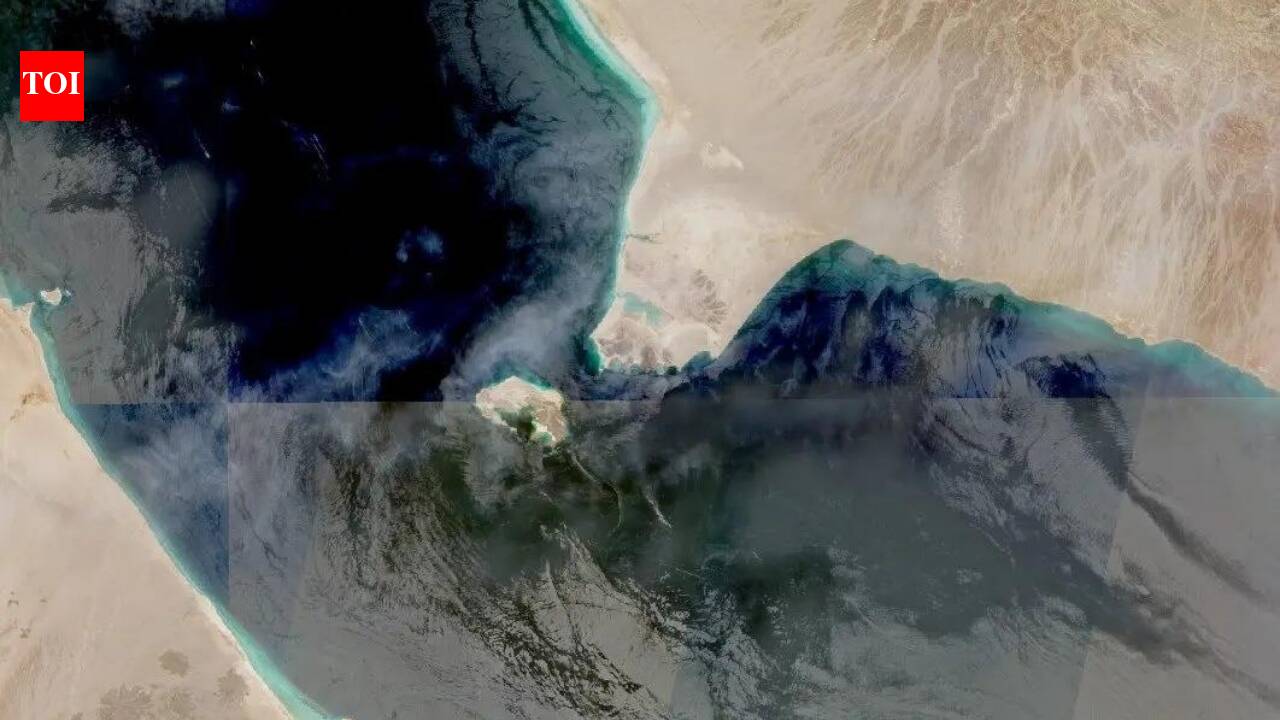
A suspected Houthi bomb-boat attack sank an Indian-flagged cargo vessel in the southern Red Sea on Tuesday, while a separate oil spill from a sanctions-listed tanker off Oman expanded sharply, according to Splash247.
The mechanised sailing vessel Faize Noore Oliya was struck around 13 nautical miles south of Hodeidah, a port controlled by the Houthis, before capsizing and sinking. India's shipping minister Sarbananda Sonowal said all 14 people onboard — 13 Indian nationals and one Yemeni — were rescued by forces aligned with Yemen's internationally recognised government and taken to Mokha. Maritime security consultancy Windward identified the incident as a bomb-boat attack.
Attack underscores Red Sea risk
The Houthis had not claimed responsibility by Tuesday evening, although Yemeni government-aligned forces blamed the group, Splash247 reported. The attack is notable because the Houthis have recently said their renewed campaign is focused on Saudi-linked shipping; four Saudi-flagged vessels have been attacked since last month.
The Faize Noore Oliya appears to have been operating with its AIS (Automatic Identification System) switched off for 44 days before the incident, a practice that hampers vessel tracking. Its previously recorded calls included ports in the UAE, Oman and Djibouti. India condemned the attack and called for an end to the targeting of merchant shipping, saying free and unimpeded navigation through the region must be restored.
Affected operations:
- Southern Red Sea lanes near Hodeidah remain high-risk for merchant vessels.
- The incident adds to a growing list of merchant ships caught up in the conflict off Yemen.
- Shippers with Saudi-linked cargoes face elevated attack risk following the recent Houthi campaign shift.
Oil spill off Oman expands
Further east, an oil spill from the grounded, sanctions-listed suezmax Caroline Bezengi off Oman has expanded sharply, raising fears of a major environmental disaster in a protected marine area, according to Splash247. Satellite imagery assessed by Greenpeace Germany on Monday indicated the spill now covers around 150 sq km, up from an estimated 20 sq km a week earlier. The sheen stretches nearly 90 km, with thick patches of oil reaching the southern and western shores of Qibliyah Island in Dhofar.
The 274-metre Cameroon-flagged tanker, sanctioned by the UK, EU, Canada and Switzerland over its role in carrying Russian oil, is believed to have more than 800,000 barrels onboard. Experts say the darker colour of the slick could indicate heavier leakage, possibly from a breached fuel tank, while the vessel may be settling deeper on the rocky shoreline.
| Oil spill indicator | Monday assessment | Week earlier |
|---|---|---|
| Area covered | ~150 sq km | ~20 sq km |
| Sheen length | ~90 km | n/a |
| Coastal impact | Southern and western shores of Qibliyah Island | n/a |
Implications for shippers and operators
For freight forwarders and ocean carriers, the Red Sea remains a volatile transit zone. The Faize Noore Oliya attack confirms that even smaller, non-containerised cargo vessels are being targeted, not just large tankers or boxships. Operators with Saudi-linked cargoes or vessels calling at Yemeni-adjacent ports should review security protocols and consider rerouting or armed escort options where feasible. The AIS shutdown on the attacked vessel also underscores the difficulty of tracking non-compliant ships, which can complicate risk assessments and cargo visibility.
The expanding oil spill off Oman is a separate but mounting environmental and operational concern. If the Caroline Bezengi continues to leak, nearby shipping lanes and the protected marine area around Qibliyah Island could face disruption, potentially affecting vessel transits and cleanup operations in the region. Shippers with cargoes routed past Oman's Dhofar coast should monitor navigational warnings and be prepared for potential delays or route changes.
Watch list
- Whether the Houthis officially claim responsibility for the Faize Noore Oliya attack and whether their Saudi-linked targeting expands further.
- Any escalation in attacks on merchant shipping in the southern Red Sea or Bab el-Mandeb approach.
- Satellite assessments of the Caroline Bezengi spill for further expansion, thicker oil patches, or signs of heavier leakage.
- Possible rerouting decisions by carriers and charterers in response to the elevated security and environmental risks.
Sources: