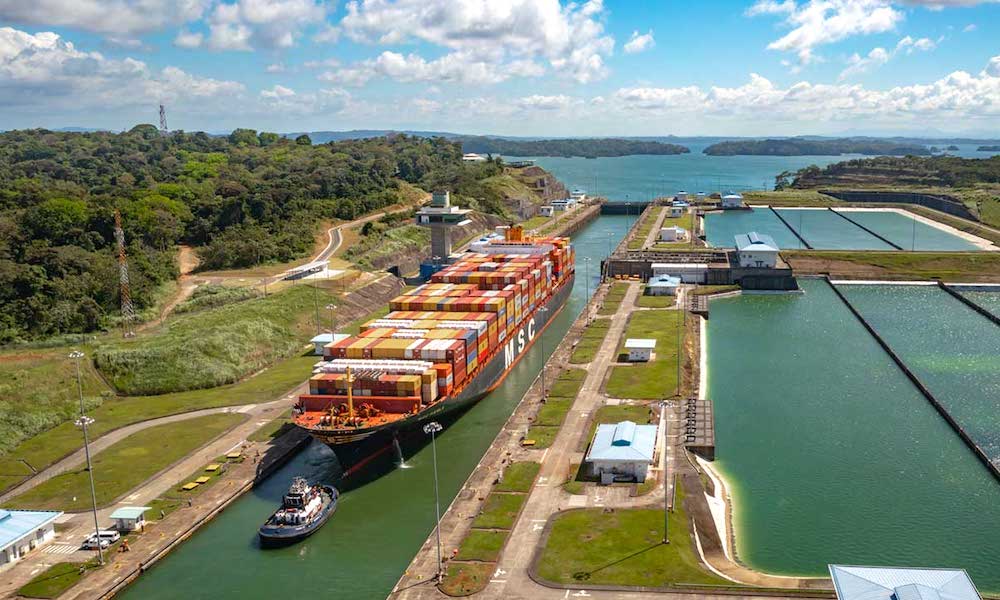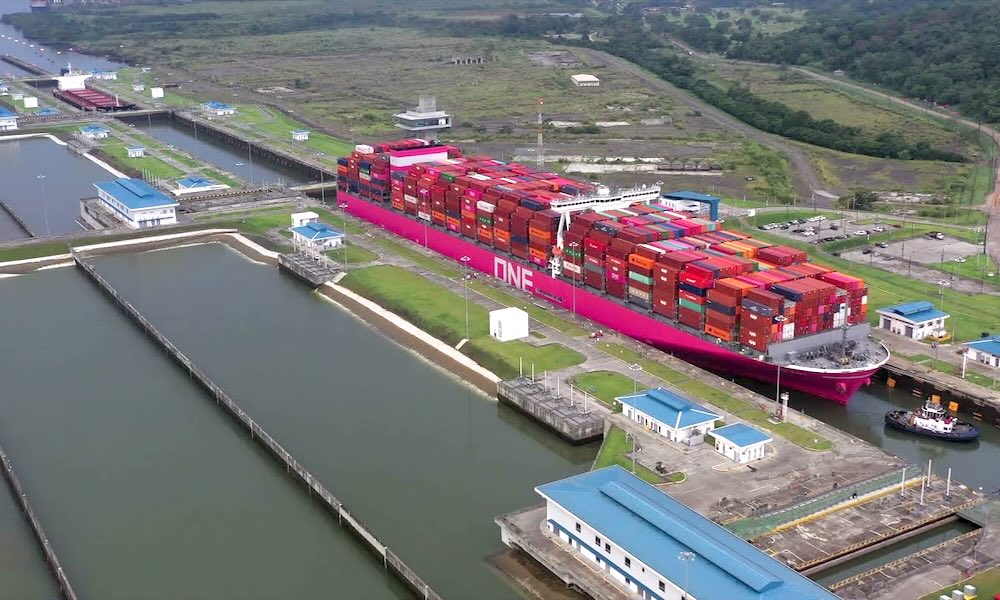
The Panama Canal is imposing two further draft reductions at its neopanamax locks, cutting the maximum authorised draft to 48 feet (14.63 m) from August 26 and 47.5 feet (14.48 m) from September 3 until further notice, according to Splash247. The moves come as falling water levels in Gatun Lake and a strengthening El Niño revive memories of the disruption seen in 2023 and 2024.
Canal Authority Cuts Draft Again
According to Splash247, the Panama Canal Authority announced the two new draft limits as the fourth and fifth adjustments this year. They follow limits of 49 feet from July 24 and 48.5 feet from August 15. The changes reflect levels in Gatun Lake and projected hydrological conditions, the authority said.
| Effective date | Maximum authorised draft |
|---|---|
| July 24 | 49 feet |
| August 15 | 48.5 feet |
| August 26 | 48 feet (14.63 m) |
| September 3 | 47.5 feet (14.48 m) |
For now, the authority is maintaining transit numbers, arguing that water-saving measures introduced in December have left it better prepared than during the last drought, according to Splash247. Officials continue to monitor lake levels and forecasts for signs that more restrictions will be required.
El Niño Outlook Raises Concern
Splash247 reported that the US Climate Prediction Center says El Niño is strengthening and has a 97% chance of persisting into early spring 2027. El Niño typically brings drier conditions to Panama, which depends on rainfall to replenish Gatun Lake, the canal's main reservoir.
Lessons From the 2023-2024 Drought
The industry has painful memories of the previous El Niño. Splash247 reported extensively as the 2023 drought forced the canal to cut the neopanamax draft from its normal 50 feet to 44 feet and reduce transits from around 40 to the mid-20s. Queues exceeded 160 ships at the height of the disruption, delays stretched beyond two weeks, and one operator paid a record $4m at auction for a priority transit slot. Owners diverted vessels onto longer routes as the cost and uncertainty of crossing Panama surged. The crisis lasted well into 2024; it took sustained rainfall before the canal could restore a 48-foot draft and lift daily capacity towards normal levels.
Shipper and Operator Implications
Further draft cuts could force neopanamax containerships and gas carriers to load less cargo or seek alternative routes.
That warning, reported by Splash247, comes despite the canal authority insisting the measures are precautionary and will not reduce transit volumes. For freight forwarders and shippers moving cargo between Asia and the US East Coast, this could mean schedule slippage, cargo rollovers, and higher per-unit transport costs if carriers impose load restrictions or divert vessels via longer routes.
Operators should verify the draft of booked vessels against the new limits, adjust cargo weights for sailings after August 26, and build contingency time into supply chains. Shippers with time-sensitive cargo should explore priority transit slots, though the record $4m auction price paid in 2023 underscores how expensive last-minute options can become.
Watch List
- Gatun Lake water levels and the Panama Canal Authority's hydrological bulletins
- US Climate Prediction Center updates on El Niño intensity and duration
- Any further draft reductions or changes to daily transit slots
- Carrier announcements on load adjustments and alternative routings for neopanamax services
- Auction prices for priority transit slots as a congestion indicator
Sources: