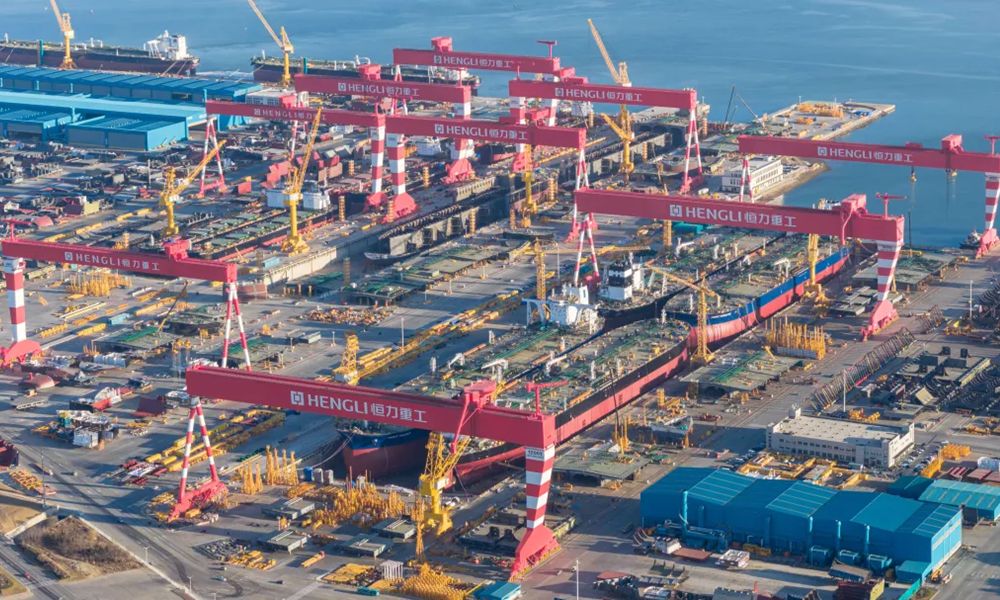
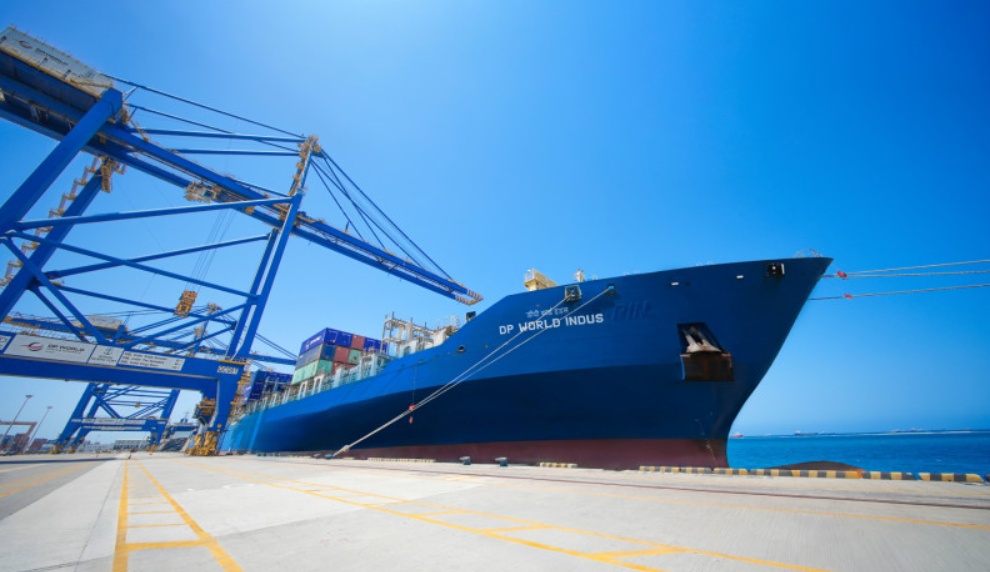
Höegh Autoliners has ordered six more LNG dual-fuel car carriers from China Merchants Heavy Industry and raised NOK1.42bn ($152m) through a share placement, expanding its Aurora-class programme to 18 firm vessels and adding up to 237,000 ceu (car equivalent units) of capacity if all options are taken up, according to Splash247.
Fleet expansion and funding
The Oslo-listed owner signed contracts with China Merchants Heavy Industry for six 9,100 ceu newbuilds delivering between 2029 and 2031, lifting its firm Aurora programme from 12 to 18 vessels. Contract prices were not disclosed, Splash247 reported. The deal also includes options for four additional ships at the same terms, exercisable within six months, plus four reserved slots that can be taken up by the end of 2027. If the full package is exercised, the series would reach 26 ships and add almost 237,000 ceu of capacity.
Höegh's Aurora programme now stands at 18 firm vessels, with options and reserved slots that could take the series to 26 ships and add almost 237,000 ceu of capacity, according to Splash247.
Hours after announcing the order, Höegh completed an accelerated private placement of 8.5 million shares at NOK167 each. The book was several times oversubscribed, attracting both existing shareholders and large institutional investors. The issue will increase the company's share count to just over 199.2 million. The offer price represented a discount of about 4% to the previous close. Höegh's largest shareholder, Leif Höegh & Co, subscribed for its pro-rata share and will retain a 36.04% holding once the transaction is completed. Proceeds, together with debt financing, are expected to fully fund the six-ship programme, and the company's dividend policy remains unchanged.
Highlighting the financial logic, analysts at SEB said the structure makes sense with Höegh's shares trading at around 1.6 times net asset value (NAV). Issuing equity well above NAV while contracting newbuildings at around NAV should be accretive to NAV per share, the bank noted. SEB also viewed the order less as a call on near-term car carrier rates and more as a sign of management's confidence in sustained Asian export volumes, pointing to a replacement angle: eight vessels in Höegh's existing fleet will be 30 years old or more by 2030.
Demand backdrop
The demand argument has strengthened considerably this year. Höegh said in its second-quarter update last week that Chinese vehicle exports jumped 66% year on year during the first half of 2026, with more than 1 million units exported in June alone. The company described demand for ocean transportation as accelerating and said the car carrier charter index in July was around 60% above first-quarter levels.
In July, Höegh extended a contract with a major Asian carmaker through the end of 2029, adding about $300m of forecast revenue and increased committed volumes under terms adjusted to current market levels, Splash247 reported.
Fleet status and vessel design
Eight Auroras have already entered the fleet since the first ship was delivered in 2024, with the eighth joining in January this year. The remaining four vessels from the original 12-ship programme are scheduled for 2027 and 2028. Höegh currently operates around 40 car carriers globally. The initial 12 Auroras carried a combined contract value of about $1.2bn, and Splash reported when the series was expanded in 2022 that individual ships were priced at around $98m. Four were delivered in 2024, another three followed last year, and the eighth arrived at the start of 2026.
The 199.9-metre ships are designed to carry up to 9,100 cars and carry DNV ammonia- and methanol-ready notations. The latest six will enter service with LNG dual-fuel engines while retaining the ability to be converted for ammonia propulsion later. Höegh says the larger design can cut emissions per car transported by up to 58% compared with conventional pure car and truck carriers (PCTCs).
| Aurora programme at a glance | Vessels | Schedule / terms |
|---|---|---|
| Firm order, original programme | 12 | First delivered 2024; remaining four scheduled 2027–2028 |
| New firm order | 6 | Deliveries 2029–2031 |
| Options | 4 | Exercisable within six months, same terms |
| Reserved slots | 4 | Can be taken up by end of 2027 |
| Total if fully exercised | 26 | Adds almost 237,000 ceu capacity |
What this means for auto shippers
For shippers and freight forwarders moving vehicles, the order signals a long-term bet on Asian export volumes, particularly from China. With Chinese vehicle exports up 66% year on year in the first half of 2026 and the car carrier charter index running 60% above first-quarter levels, Höegh sees ocean transport demand accelerating. The extension of the carmaker contract to 2029 adds about $300m of forecast revenue and locks in committed volumes, giving the carrier revenue visibility that supports the newbuild spend.
The new LNG dual-fuel ships, delivering from 2029 to 2031, will add highly efficient capacity to the ro-ro fleet at a time when eight of Höegh's existing ships will reach 30 years of age by 2030, according to SEB. That combination — retiring old tonnage and introducing larger, lower-emission vessels — will reshape available capacity on major car carrier routes over the next decade.
Watch list
- Whether Höegh exercises the four options within the next six months — that would add four more ships on identical terms.
- Whether the four reserved slots are taken up by the end of 2027, which would push the programme to 26 vessels.
- Delivery of the remaining four original-programme Auroras in 2027–2028.
- Movements in the car carrier charter index, which was about 60% above first-quarter levels in July.
- Monthly data on Chinese vehicle exports, after a 66% year-on-year jump in H1 2026 and 1 million units in June alone.
Sources: