iGEN
Visit IGEN World Explore IGEN Expo
EXPLORE UPGRADE PLANS
BREAKING
Zodiac Maritime Orders Eight 6,400 TEU Boxships at Hengli Heavy Industry, Extending $1.6B Drive UK Dairy Farmers Rely on Cow Showers and Fans as Heatwave Cuts Milk Output by 20% Houthis Keep Up Pressure on Saudi Shipping with Fourth Tanker Attack Amid Partial Red Sea Recovery Resumed US-Iran Attacks Inject Fresh Uncertainty Into Strait of Hormuz Shipping COSCO Shipping Heavy Industry Plans $1.1 Billion Mega Yard in Tianjin with Two VLCC-Scale Drydocks HD Hyundai Launches First Ship from Revived Subic Shipyard in the Philippines Nickel Ore Trade Surges 22% Amid Safety Concerns for Bulk Carriers Diana Shipping threatens to cut Genco takeover bid after fleet value drops $50m India Approves 2 Billion Polymer Banknotes for Field Trials as RBI Revives Plastic Currency Plan Gold Price Prediction Today: Fed Policy, ETF Inflows, and Technical Levels Drive July 29, 2026 Outlook Zodiac Maritime Orders Eight 6,400 TEU Boxships at Hengli Heavy Industry, Extending $1.6B Drive UK Dairy Farmers Rely on Cow Showers and Fans as Heatwave Cuts Milk Output by 20% Houthis Keep Up Pressure on Saudi Shipping with Fourth Tanker Attack Amid Partial Red Sea Recovery Resumed US-Iran Attacks Inject Fresh Uncertainty Into Strait of Hormuz Shipping COSCO Shipping Heavy Industry Plans $1.1 Billion Mega Yard in Tianjin with Two VLCC-Scale Drydocks HD Hyundai Launches First Ship from Revived Subic Shipyard in the Philippines Nickel Ore Trade Surges 22% Amid Safety Concerns for Bulk Carriers Diana Shipping threatens to cut Genco takeover bid after fleet value drops $50m India Approves 2 Billion Polymer Banknotes for Field Trials as RBI Revives Plastic Currency Plan Gold Price Prediction Today: Fed Policy, ETF Inflows, and Technical Levels Drive July 29, 2026 Outlook
Home ›› Logistics ›› Shipping Freight ›› Tankers Lng ›› Resumed US-Iran Attacks Inject Fresh Uncertainty Into Strait of Hormuz Shipping

Resumed US-Iran Attacks Inject Fresh Uncertainty Into Strait of Hormuz Shipping

Iran and the United States have resumed military attacks, ending a lull and injecting fresh uncertainty into shipping through the Strait of Hormuz. Iran's Revolutionary Guard claims it hit three oil tankers after they ignored warnings, while a US blockade since July 14 and mine risk make internationally recognised lanes unusable. A Gulf-backed Omani proposal for joint management faces Iranian rejection.

iG
iGEN Editorial
July 29, 2026
Resumed US-Iran Attacks Inject Fresh Uncertainty Into Strait of Hormuz Shipping

Operational impact: vessels transiting the Strait of Hormuz now face competing navigation instructions from US and Iranian forces, mine risk that makes internationally recognised lanes effectively unusable, and the threat of direct attacks after Iran claimed to have hit three oil tankers.

The escalation, reported by Splash247, follows Iran launching multiple ballistic missiles in a surprise attack on American forces on Tuesday, with all projectiles intercepted by US Central Command. Jordan said its air defences destroyed five Iranian missiles. In response, US and Saudi forces struck logistics and weapons sites used by Iran-backed groups in eastern Iraq after more than 30 drone attacks in 72 hours.

Competing Navigation Orders

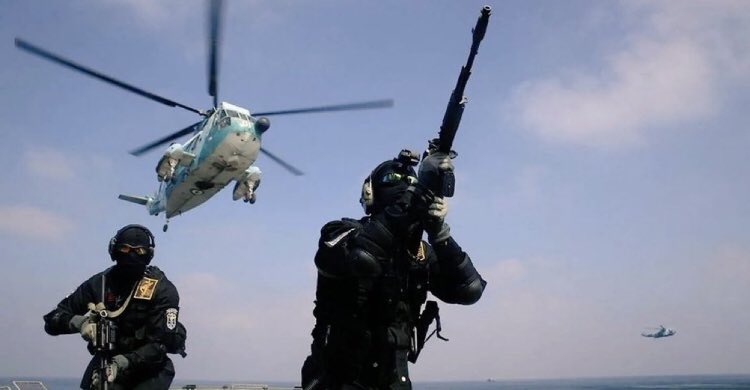
At sea, Iran’s Islamic Revolutionary Guard Corps claimed it had hit and stopped three oil tankers in Hormuz after the vessels ignored warnings and used what Tehran described as an unsafe route. The ships were not identified, and there was no independent confirmation of damage or casualties, according to Splash247.

The reopening of attacks leaves owners navigating a militarised chokepoint and competing American and Iranian instructions. Washington resumed its blockade of traffic serving Iranian ports on July 14 and has been redirecting or disabling non-compliant vessels, while Iran insists ships use a route closer to its coast. The internationally recognised traffic lanes are effectively unusable because of mine risk.

Diplomatic Efforts Stall

Oman is attempting to break the deadlock with a Gulf-backed proposal for joint regional management of the strait. Modelled partly on the Strait of Malacca, the plan would establish voluntary payments by shipping companies to support navigation aids, environmental protection and search and rescue.

However, Tehran has rejected any system that would deny it effective oversight. Deputy foreign minister Kazem Gharibabadi said Oman had floated a 50-50 arrangement, with inbound and outbound traffic divided between the two sides. Iran instead wants one shipping lane placed entirely within its territorial waters and part of the second lane also under its jurisdiction, arguing that this is necessary for national security.

Shipper and Operator Implications

The immediate effect for freight forwarders and ocean carriers is heightened risk assessment for vessels calling at Iranian ports or transiting the Strait of Hormuz. The US blockade, active since July 14, means non-compliant vessels may be redirected or disabled. The mine risk forces ships to use alternative, less safe routes — or avoid the strait entirely. Insurers are likely to increase war risk premiums for the region. Operators should verify that their vessels have updated navigation instructions from both maritime authorities and their flag states, and consider rerouting around the Cape of Good Hope if transits are not essential.

Watch List

  • Whether Iran attacks additional merchant vessels;
  • Any formal adoption of the Omani proposal or a counter-proposal from Tehran;
  • Further US or coalition strikes on Iran-backed positions in Iraq;
  • Updates from Joint War Committee on war risk insurance designations for the strait;
  • Any confirmation of damage to the three oil tankers claimed by Iran.

Sources: Splash247 Maritime

Keep Reading

Recommended Stories

Triple-Pronged War Threat Intensifies for Global Shipping in Hormuz, Red Sea, and Black Sea Logistics

Triple-Pronged War Threat Intensifies for Global Shipping in Hormuz, Red Sea, and Black Sea

Shipping faces simultaneous crises: Iranian attacks in the Strait of Hormuz, Houthi strikes on tankers in the Red Sea, and Russia-Ukraine attacks halting Ukraine's maritime corridor. New US tariffs and climate disruption on European rivers compound the risks.

July 24, 2026
Houthis Claim Missile and Drone Strikes on Two Saudi Tankers in Red Sea Escalation Logistics

Houthis Claim Missile and Drone Strikes on Two Saudi Tankers in Red Sea Escalation

Yemen's Houthi movement claimed to have struck two Saudi oil tankers in the Red Sea on July 23, 2026, the first attacks since declaring a naval blockade on Saudi Arabia. One tanker, the Encelia, was hit by an unknown projectile, causing a fire. The Houthis declared the Bab el-Mandeb strait closed to Saudi-flagged tankers, raising risks for shipping lanes and energy infrastructure.

July 23, 2026
Four Oil and Gas Tankers Turn Back from Strait of Hormuz After Renewed Vessel Attacks Logistics

Four Oil and Gas Tankers Turn Back from Strait of Hormuz After Renewed Vessel Attacks

At least four oil and gas tankers have turned back from the Strait of Hormuz after renewed attacks on vessels in the critical waterway. The diversions follow damage to a Qatari LNG tanker and a Saudi-flagged crude oil tanker, prompting a 'severe' threat risk for transiting vessels. The disruptions affect LNG and crude oil flows from Qatar and the UAE, with a queue of ballast vessels building up at Qatar's Ras Laffan export facility.

July 8, 2026
Cheap Drones Expand Maritime Risk: Caspian Now a War Zone for Shipping Logistics

Cheap Drones Expand Maritime Risk: Caspian Now a War Zone for Shipping

A weekend Ukrainian drone strike on an Iranian cargo vessel in the Caspian Sea has removed the assumption that the inland sea was immune from attack. The incident directly links the Ukraine and Middle East conflicts, forcing insurers to add the Caspian to their watchlist alongside the Red Sea, Black Sea, and Strait of Hormuz. Rerouting options are now limited, with no maritime substitute for the Caspian route.

July 28, 2026