iGEN
Visit IGEN World Explore IGEN Expo
EXPLORE UPGRADE PLANS
BREAKING
Werner Enterprises Posts Highest Revenue Per Truck Growth in One-Way Segment in a Decade CMA CGM and Stonepeak Launch United Ports LLC in $2.4 Billion Terminal Joint Venture UPS shift away from Amazon shows bigger payoff Lanesurf: 62% of Loads Get Vetted Carrier Offers Before Brokers Arrive India-China Border Trade Via Lipulekh Resumes Aug 1; China Permits 20 Traders Geopolitics Drives CMA CGM Q2 Profit Surge of 42% as Volumes and Rates Climb Benchmark Diesel Price Rises Third Week as Futures Plunge; Spread Hits Record Indian Government Limits Sugar Dealers to 400 Tonnes Stock Until November to Curb Hoarding Tenants signing longer leases for larger warehouses as 3PLs lock in capacity US stock market flat as S&P 500 and Dow barely move, Nasdaq slides over 1% on chip rout Werner Enterprises Posts Highest Revenue Per Truck Growth in One-Way Segment in a Decade CMA CGM and Stonepeak Launch United Ports LLC in $2.4 Billion Terminal Joint Venture UPS shift away from Amazon shows bigger payoff Lanesurf: 62% of Loads Get Vetted Carrier Offers Before Brokers Arrive India-China Border Trade Via Lipulekh Resumes Aug 1; China Permits 20 Traders Geopolitics Drives CMA CGM Q2 Profit Surge of 42% as Volumes and Rates Climb Benchmark Diesel Price Rises Third Week as Futures Plunge; Spread Hits Record Indian Government Limits Sugar Dealers to 400 Tonnes Stock Until November to Curb Hoarding Tenants signing longer leases for larger warehouses as 3PLs lock in capacity US stock market flat as S&P 500 and Dow barely move, Nasdaq slides over 1% on chip rout
Home ›› Logistics ›› Shipping Freight ›› Container Shipping ›› Triple-Pronged War Threat Intensifies for Global Shipping in Hormuz, Red Sea, and Black Sea

Triple-Pronged War Threat Intensifies for Global Shipping in Hormuz, Red Sea, and Black Sea

Shipping faces simultaneous crises: Iranian attacks in the Strait of Hormuz, Houthi strikes on tankers in the Red Sea, and Russia-Ukraine attacks halting Ukraine's maritime corridor. New US tariffs and climate disruption on European rivers compound the risks.

iG
iGEN Editorial
July 24, 2026
Triple-Pronged War Threat Intensifies for Global Shipping in Hormuz, Red Sea, and Black Sea

Shipping’s exposure to geopolitics intensified this week, with the industry confronting simultaneous threats in Hormuz and the Red Sea, renewed attacks on Black Sea trade and a tariff reset, according to Splash247.

Strait of Hormuz Under Pressure

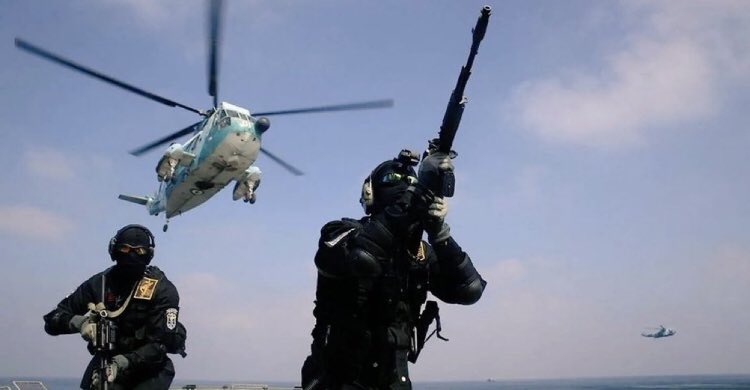
The Strait of Hormuz remained the industry’s greatest immediate concern. Splash247 reported that 14 Iranian attacks on commercial vessels have been recorded since June 25. Average tanker movements fell to four outbound and three inbound transits per day, dramatically reducing capacity. The map of Middle Eastern ports and pipelines is being redrawn rapidly.

Red Sea: Houthis Target Saudi Tankers

The danger spread to shipping’s second critical Middle Eastern chokepoint. The Houthis claimed strikes on the Saudi tankers Encelia and Layla, declared Bab el-Mandeb closed to Saudi-flagged tonnage and threatened onshore energy infrastructure. The attack on Encelia was confirmed, while the location and condition of Layla remained unclear.

Black Sea Trade Squeezed

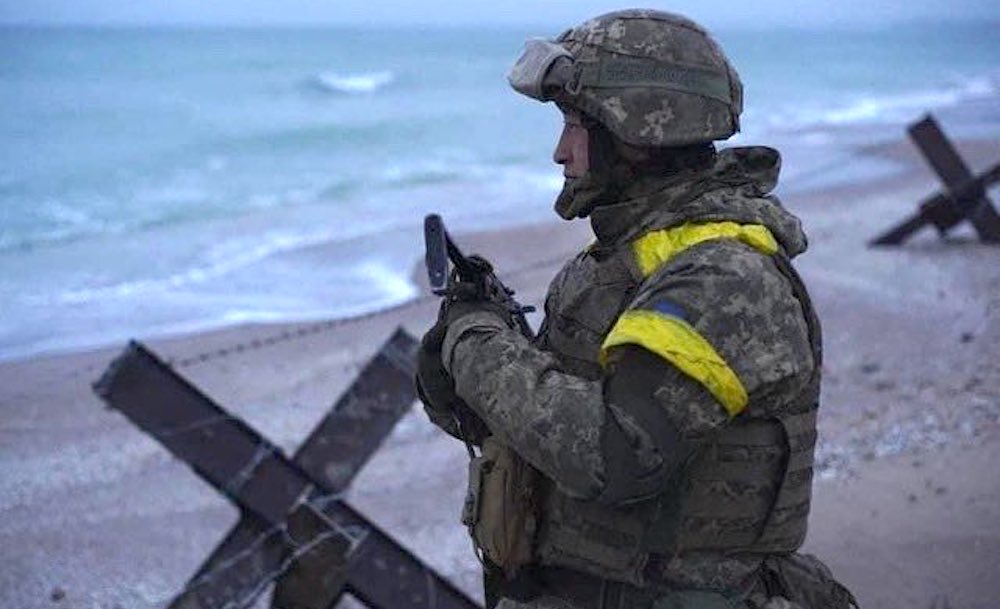
Commercial shipping also became more deeply entangled in the Russia-Ukraine war. Splash247 detailed that Russian forces attacked vessels and port infrastructure at Odesa and Chornomorsk, halting Ukraine’s maritime corridor during the agricultural export season. Ukrainian drone activity forced restrictions at Russian gateways, squeezing Black Sea trade from both directions.

Climate Disruption: Danube and Rhine Levels Drop

Climate disruption provided another supply chain shock. The Danube in Romania fell to its lowest level since 1996, while shallow water on the Rhine forced barges to reduce cargoes. Grain movements, ferry services and industrial supply chains were disrupted across Europe’s two most important inland waterways.

US Tariffs and Container Peak Season

US tariffs landed as the early container peak season faded. Splash247 reported levies of 10% to 12.5% on imports from 60 trading partners are unlikely to trigger another major cargo rush. With inventories elevated and spot rates already retreating, carriers face growing pressure to blank sailings and control capacity.

Simandou Iron Ore: New Vessel Type

An emerging trade gained its own specialist vessel type. Chengxi delivered Wontanara, the first of five shallow-draft self-unloaders designed to transfer Guinean ore into larger ships. Its 12,000-tonne-per-hour discharge system can empty the vessel in under three-and-a-half hours.

Escort and Insurance Debate

Commentator Punit Oza argued America may gradually formalise the escort and insurance system already emerging around Hormuz because continued ambiguity could prove more costly than commitment, as covered by Splash247.

Nuclear Shipping Moves Forward

Nuclear-powered commercial shipping moved further into mainstream debate. The US Maritime Administration and Port of Long Beach are exploring small modular reactors for vessels, terminals and supporting infrastructure, treating nuclear propulsion as scalable maritime infrastructure rather than a one-off demonstration project.

New Industry Resources

Splash Maritime Group launched a new product this week, Splash Ports, aiming to make the new portal the go-to location for anyone in the ports business, providing daily reporting, analysis and intelligence covering infrastructure, investment, technology and policy shaping the world’s ports and supply chains.

Sister title SplashTech carried an exclusive on the British government seeking opinion from ship operators on how best to handle soaring levels of GNSS interference. Governments are now asking whether crews have practised failure scenarios and whether ships can navigate without satellite-derived positions.

Threat Location Key Details
Strait of Hormuz 14 Iranian attacks since June 25; tanker movements down to 4 outbound, 3 inbound per day
Red Sea / Bab el-Mandeb Houthi strikes on tankers Encelia & Layla; Saudi-flagged tonnage banned
Black Sea Russian attacks on Odesa & Chornomorsk; Ukraine corridor halted
European Rivers Danube at lowest since 1996; Rhine shallow water forcing cargo reductions
US Tariffs 10-12.5% levies on 60 trading partners; peak season fading

Implications for operators: With three choke points under threat and tariffs adding cost, freight forwarders and ocean carriers should expect further rate volatility, blank sailings, and rerouting. Climate disruption on inland waterways adds to delivery delays for grain and industrial goods. Monitoring the Hormuz escort system development and GNSS interference responses will be critical.


Sources: Splash247 Maritime

Keep Reading

Recommended Stories

Strait of Hormuz Crisis Worsens as Containership Attack, Azov Drone Strikes Disrupt Trade Routes Logistics

Strait of Hormuz Crisis Worsens as Containership Attack, Azov Drone Strikes Disrupt Trade Routes

The Strait of Hormuz crisis escalates with a Global Feeder Shipping containership attacked and traffic at five-week low. Ukraine’s drone campaign hits 116 vessels in nine days, suspending Azov-Don canal and Kerch Strait traffic. Sea Legend Shipping plans weekly Northern Sea Route container service; South Korea probes four container manufacturers for price-fixing.

July 17, 2026
Ukraine's Azov campaign hits 116 Russian vessels in nine days, eclipsing 1980s tanker wars Logistics

Ukraine's Azov campaign hits 116 Russian vessels in nine days, eclipsing 1980s tanker wars

Ukraine has struck 116 Russian vessels in nine days in the Sea of Azov, a campaign that maritime security firm Ambrey says has surpassed the pace of the Iran-Iraq tanker war. The attacks, targeting tankers and cargo ships, aim to sever Russian logistics chains. Around a quarter of Russia's grain exports move through Azov ports, and diversions to the Black Sea and Baltic are already being considered. The IMO condemned the strikes, while seafarer casualties have been reported, including eight killed in Russian counterstrikes on Odesa.

July 15, 2026
Officer Shortage Could Exceed 100,000 by 2030, Threatening Global Shipping Operations Logistics

Officer Shortage Could Exceed 100,000 by 2030, Threatening Global Shipping Operations

The global shipping industry faces a critical shortage of qualified officers, with demand projected to exceed supply by over 100,000 by 2030. The latest BIMCO/ICS Seafarer Workforce Report highlights a current shortfall of 39,100 officers and warns that nearly half of seafarers plan to leave within five years, posing significant risks to supply chain reliability and freight costs.

June 25, 2026
Multiple Factors Set to Reset Ocean Rates in Coming Weeks Logistics

Multiple Factors Set to Reset Ocean Rates in Coming Weeks

Spot ocean rates on the Asia-U.S. West Coast route held at $4,836/FEU while East Coast rates rose 4% to $6,558. The imminent reopening of the Strait of Hormuz could ease fuel costs, but peak season surcharges and early demand frontloading are keeping upward pressure on container rates. Full normalization of shipping through the Strait may take months.

June 16, 2026