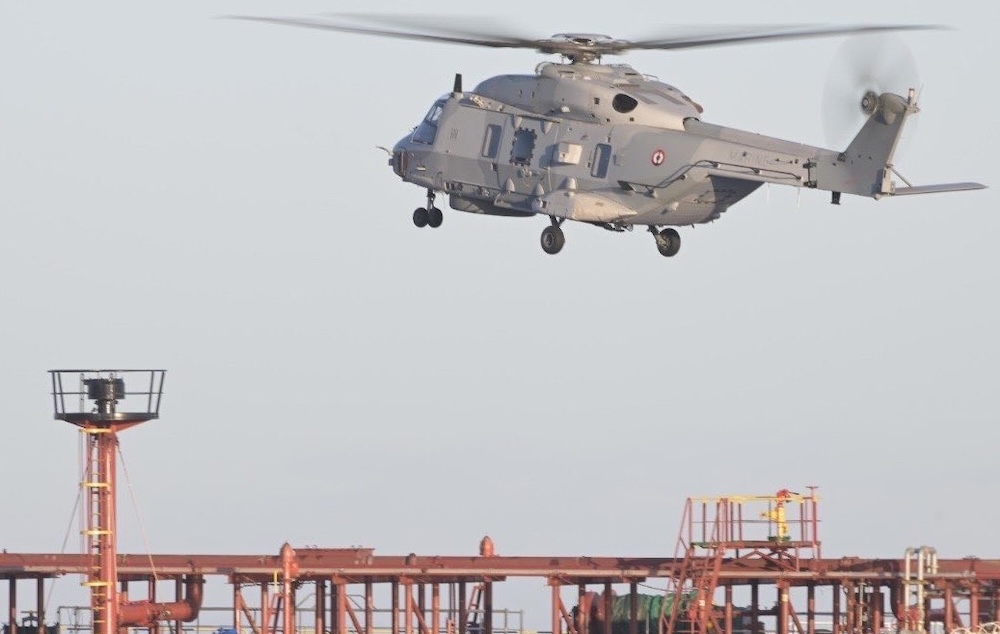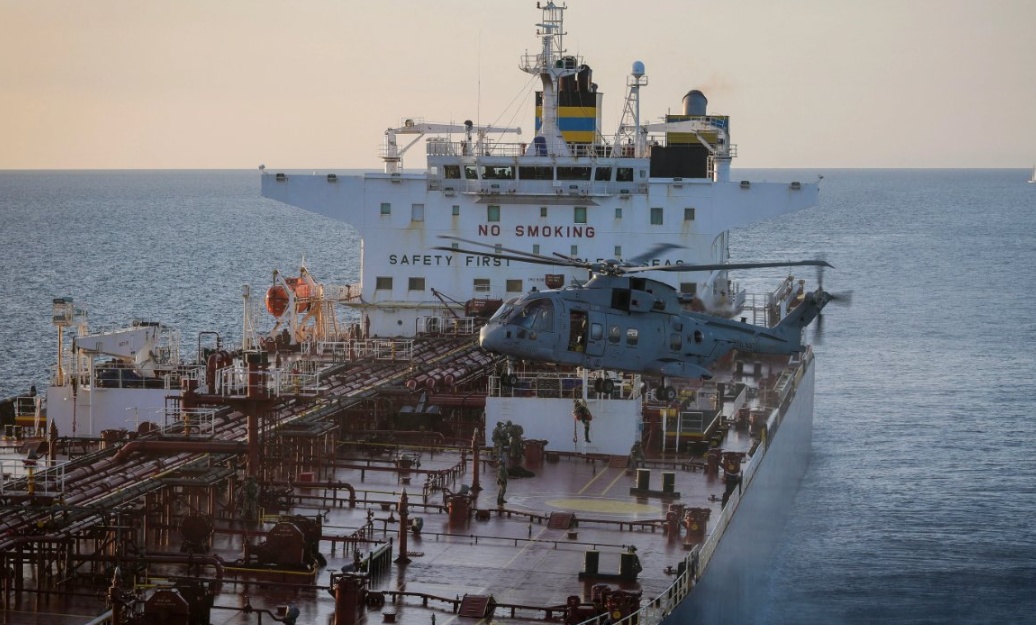
The first UK-led interdiction of a Russia-linked oil tanker is testing the limits of European shadow fleet enforcement, with Russia warning it could take legal action if Britain sells the cargo from the seized vessel, according to Splash247.
The 106,800 deadweight tonnage (dwt) Smyrtos remains detained off southern England after Royal Marines and National Crime Agency officers boarded the vessel on June 14 in the English Channel. The UK government described the operation as a strike against Moscow's shadow fleet and said the vessel was suspected of helping Russia evade oil sanctions. The dispute has sharpened after reports that the UK could auction off the crude — thought to be about 100,000 tonnes — onboard the vessel and use the proceeds to support Ukraine.
Escalating Legal and Diplomatic Fallout
Kremlin spokesman Dmitry Peskov said Moscow would examine its legal options if the cargo is sold. "There are certainly legal options for responding; they will be examined, and the situation will be analysed," Peskov said. The Smyrtos case has become a test of how far European states are prepared to go in physically enforcing sanctions at sea. Until recently, most shadow fleet action focused on designations, port restrictions, insurance pressure and flag scrutiny. The UK boarding marked a shift towards direct interdiction.
Wider Implications for Maritime Operations
The operation has raised wider questions over ownership, flagging and cargo rights when sanctioned or allegedly stateless vessels are detained in European waters. Russia has repeatedly denounced Western actions against its shadow fleet, while European governments argue that opaque, ageing and often poorly insured tankers have become essential to keeping Russian oil revenues flowing despite sanctions.
On Tuesday, France intercepted another Russia-linked tanker. French president Emmanuel Macron said yesterday the country's navy boarded the tanker Deliver as it transited near Sicily. This second interdiction in quick succession signals that European navies are increasingly willing to board and detain vessels suspected of sanctions evasion.
Operational Impact on Shippers and Logistics Operators
For freight forwarders, logistics managers, and ocean carriers, the Smyrtos seizure and the French interception of the Deliver underscore growing risks for vessels engaged in Russian oil trades. The escalation from passive sanctions (designations, port bans) to active boarding and detention means operators of any tanker carrying Russian-origin cargo could face sudden seizure, legal entanglement, and cargo loss. The English Channel and waters near Sicily are now active enforcement zones. Shippers relying on shadow fleet tonnage should expect increased scrutiny, insurance difficulties, and potential disruption to delivery schedules. All parties moving oil products through European waters must verify vessel compliance with sanctions regimes, as the consequences of missteps now include physical interdiction.
Watch List
- Legal response from Russia: Moscow may retaliate through diplomatic channels or by targeting European vessels or cargoes.
- Further interceptions: With France and the UK taking action, other European navies may follow suit in the Mediterranean and North Sea.
- Cargo auction outcome: If the UK proceeds to sell the Smyrtos crude, it could set a precedent for forfeiting shadow fleet cargoes, intensifying the confrontation.
- Insurance market reaction: P&I clubs and hull underwriters may tighten terms for any tanker transiting European waters with Russian crude.
Sources: