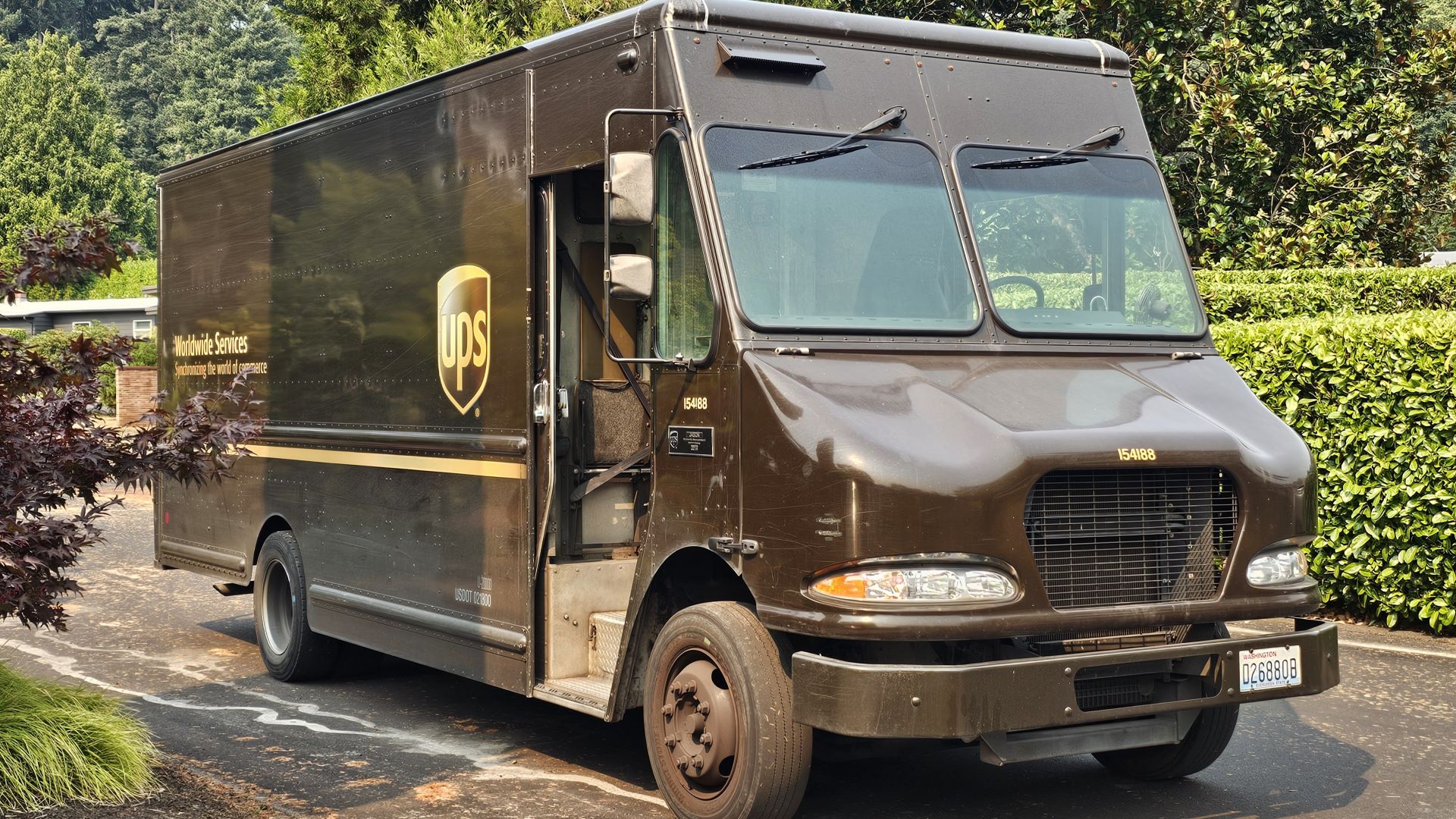
A federal indictment unsealed this week alleges that 12 individuals, including Nike warehouse employees, conspired to divert at least $2 million worth of Nike shoes from the company's Memphis distribution center using fraudulent UPS labels, according to the U.S. Attorney's Office as reported by FreightWaves.
The Theft Operation
Prosecutors said the group identified desired merchandise inside Nike’s North American Logistics Center in Memphis, then replaced or supplemented the original shipping labels with UPS labels directing the cartons to addresses controlled by the conspirators. Roy Harvey Jr. allegedly created UPS labels at his Memphis-based business RHJ Global and sent them to Nike employees, who placed them on shoe cartons, the indictment states.
Key Participants and Their Roles
- Roy Harvey Jr. – created UPS labels via RHJ Global and received 149 labels from Cool Kicks between July 2021 and May 2022; later used his own account for 1,860 labels (May 2022–Jan 2024).
- Keith Cannon – created a UPS account using Valid Kixx; his group used 459 labels (Apr 2023–Jan 2024) and another ~800 labels (Apr–Jun 2024).
- Michael Perkins – floor manager at Nike’s Memphis center; allegedly brought unauthorized labels into the warehouse and distributed them to Julian Baker, Cortez Spencer, Roderico McClellan, and Damon Johnson.
Shipping Labels and Destinations
According to the indictment, conspirators successfully used approximately 3,119 shipping labels over the three-year period. Labels directed stolen products to addresses in California, Wisconsin, and Indiana. No court filing alleges UPS knowingly participated; the company is portrayed as the carrier whose network handled fraudulent labels.
| Time Period | Labels Used | Responsible Party |
|---|---|---|
| Jul 2021 – May 2022 | 149 | Harvey via Cool Kicks |
| May 2022 – Jan 2024 | 1,860 | Harvey via RHJ Global |
| Apr 2023 – Jan 2024 | 459 | Cannon via Valid Kixx |
| Apr 23 – Jun 19, 2024 | ~800 | Cannon |
| Total | ~3,119 | — |
Operational Impact for Logistics Professionals
This case highlights a critical vulnerability in high-volume distribution centers: insider collusion with carrier label systems. Freight forwarders and 3PL operators should review access controls for shipping label generation, especially at facilities handling high-value goods. The use of legitimate UPS labels made detection through standard tracking difficult. The indictment notes that when UPS requested documentation for a shipment, Harvey allegedly obtained a fake invoice from Bereket Abraham in September 2022.
Watch List
- Enhanced security protocols at Nike’s Memphis logistics center and other major distribution hubs.
- UPS’s response to the indictment, including potential changes to label issuance and account verification.
- Broader implications for other carriers: similar vulnerabilities may exist with FedEx, DHL, or regional parcel networks.
- Ongoing investigation: the U.S. Attorney’s Office declined further comment, citing active case.
Sources: