India's largest two-wheeler manufacturer, Hero MotoCorp, is set to invest Rs 3,200 crore in Andhra Pradesh over the next three to five years, according to a report by Business Today. The investment will ramp up manufacturing, strengthen the global supply chain, and expand into higher-margin businesses such as accessories and merchandising.
The investment includes Rs 750 crore for the company's second Global Parts Centre (GPC 2.0) at its existing Tirupati facility. GPC 2.0 will support domestic operations while supplying spare parts and completely knocked down (CKD) kits to overseas markets. The new facility is expected to be operational within two years.
Production Capacity Expansion
At the Tirupati plant, Hero MotoCorp plans to significantly increase annual production output, according to the report:
| Metric | Current | Planned |
|---|---|---|
| Annual output | ~6 lakh units | 12–15 lakh units |
| Jobs created | – | ~4,000 |
The facility currently manufactures both internal combustion engine motorcycles and scooters as well as the company's electric vehicles.
Parts Centre and Global Supply Chain
The Global Parts Centre 2.0 is a key component of the investment strategy. By supplying spare parts and CKD kits to overseas markets, the centre will reinforce Hero's global supply chain and reduce lead times for international customers. The domestic operations will also benefit from streamlined parts distribution.
Leadership Quote
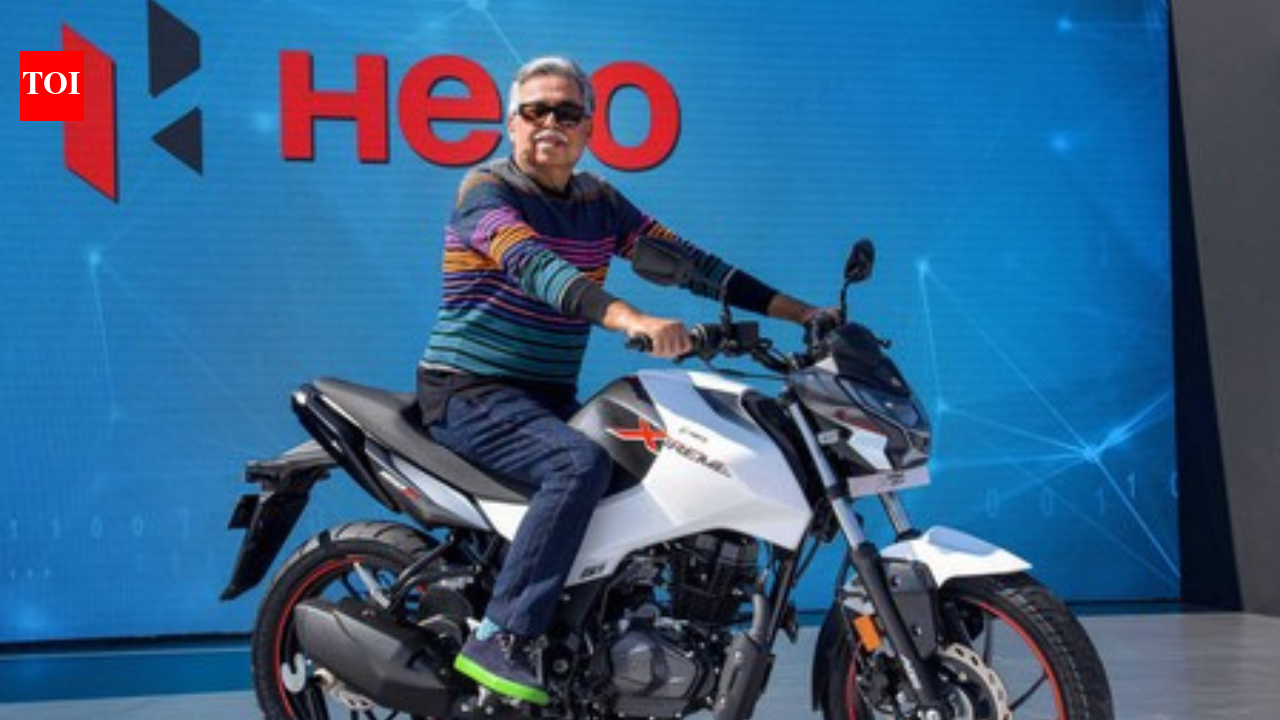
"The expansion reflects the company's long-term confidence in AP." — Pawan Munjal, Executive Chairman, Hero MotoCorp
The investment underscores Hero's commitment to Andhra Pradesh as a manufacturing hub and its strategy to diversify beyond vehicle production into higher-margin businesses such as accessories and merchandising. Over the three-to-five-year horizon, the company aims to bolster its position in both domestic and export markets.
For manufacturing executives and supply chain professionals, the expansion signals increased capacity for two-wheeler production and parts supply in southern India, potentially affecting sourcing decisions for Tier-2 and Tier-3 suppliers in the region. The creation of 4,000 jobs also indicates a significant injection into the local industrial workforce.
Sources: