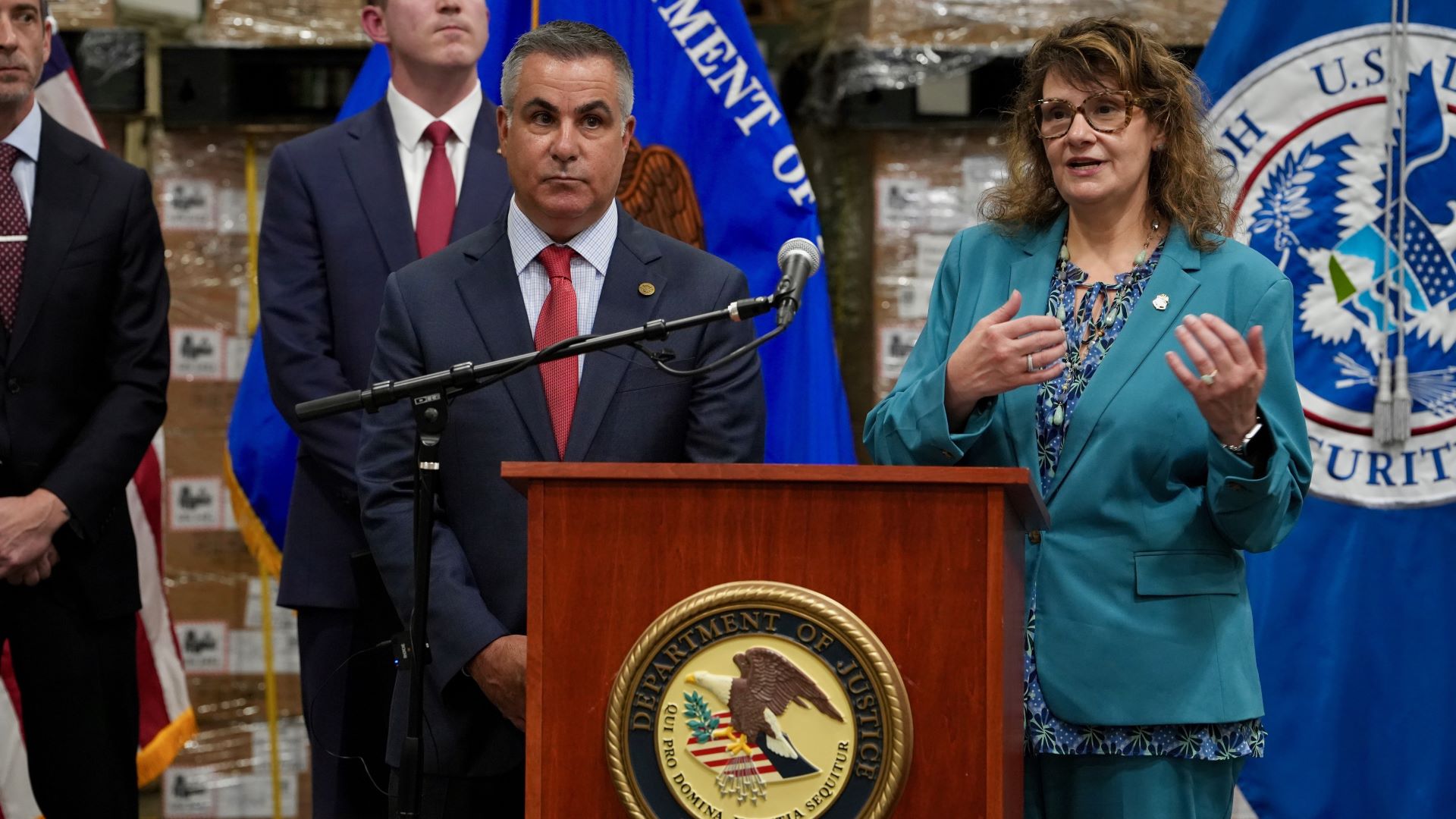
A New York-based plastic-bag manufacturer has agreed to pay $7.3 million to settle allegations of customs fraud, according to the U.S. Department of Justice. The settlement resolves claims that RediBagUSA and its CEO Jeffrey Rabiea knowingly misrepresented the country of origin on imported plastic retail and grocery checkout bags to avoid paying antidumping duties.
The Allegations
The U.S. Attorney for the District of New Jersey alleged that RediBagUSA, legally registered as New York Packaging II LLC, imported plastic bags that were manufactured in China and transshipped through Hong Kong. On customs entry forms, the company declared the country of origin as Hong Kong, thereby evading a 77.5% antidumping duty assessed by the Commerce Department on bags sold below market prices.
According to the Justice Department, RediBag and Rabiea concealed the true origin by hiding information from others, including the company’s customs broker and U.S. Customs and Border Protection. Employees were directed to cover up “Made in China” markings, and the manufacturer was instructed to remove such markings. The company also canceled orders after learning they would be inspected by customs authorities.
“Companies that benefit from access to U.S. markets must follow U.S. law, including by paying import duties that protect American manufacturers and workers from unfair foreign competition,” said Assistant Attorney General Brett A. Shumate of the Justice Department’s Civil Division. “The Justice Department will hold accountable those who evade duties owed to the United States.”
The Settlement and Whistleblower
The settlement resolves a civil lawsuit filed under the whistleblower provisions of the False Claims Act by John Maierhoffer, a former contracted sales representative for RediBag. As part of the resolution, Maierhoffer will receive more than $1.3 million of the settlement proceeds.
RediBag offers reusable and single-use grocery and retail bags, liners, and other industrial packaging. The company did not admit liability as part of the settlement, but the payment resolves allegations that it knowingly avoided duties.
Enforcement Context
Last year, the Department of Justice under President Donald Trump launched a Trade Fraud Task Force to enhance enforcement of rules designed to protect government revenues, economic and national security, and consumers. This case is an example of the task force’s focus on holding companies accountable for customs fraud.
Key Facts at a Glance
| Party | Role | Amount / Detail |
|---|---|---|
| RediBagUSA / New York Packaging II LLC | Importer and manufacturer | $7.3 million settlement |
| Jeffrey Rabiea | CEO of RediBagUSA | Personally liable as part of the settlement |
| John Maierhoffer | Whistleblower (former contractor) | Receives >$1.3 million |
| U.S. Department of Justice | Enforcement authority | Civil Division, District of New Jersey |
| Commerce Department | Assessed antidumping duty | 77.5% duty rate |
| Country of origin (true) | China | Evaded duty by declaring Hong Kong |
Compliance Obligations for Importers
This case underscores the importance of accurate country-of-origin declarations. Importers must ensure that all supply chain documentation reflects the true origin of goods, particularly when antidumping or countervailing duties apply. Customs brokers rely on accurate information from importers, and any misrepresentation can lead to significant penalties under the False Claims Act, including treble damages and per-violation fines.
Companies should conduct due diligence on foreign suppliers, maintain records of manufacturing locations, and implement internal controls to prevent transshipment schemes. The Trade Fraud Task Force is likely to continue targeting such practices, with increased coordination between CBP, the Commerce Department, and the Justice Department.
Resources and Guidance
- For information on antidumping duties, consult the Commerce Department’s Enforcement and Compliance website.
- Customs compliance guidelines are available from U.S. Customs and Border Protection.
- The False Claims Act provides incentives for whistleblowers to report fraud, with awards of 15-30% of recovered funds.
Industry associations such as the National Customs Brokers & Forwarders Association of America (NCBFAA) have issued guidance on country-of-origin compliance and the risks of transshipment. Importers should review their supply chains and consider third-party audits to ensure compliance with U.S. trade laws.
Sources: