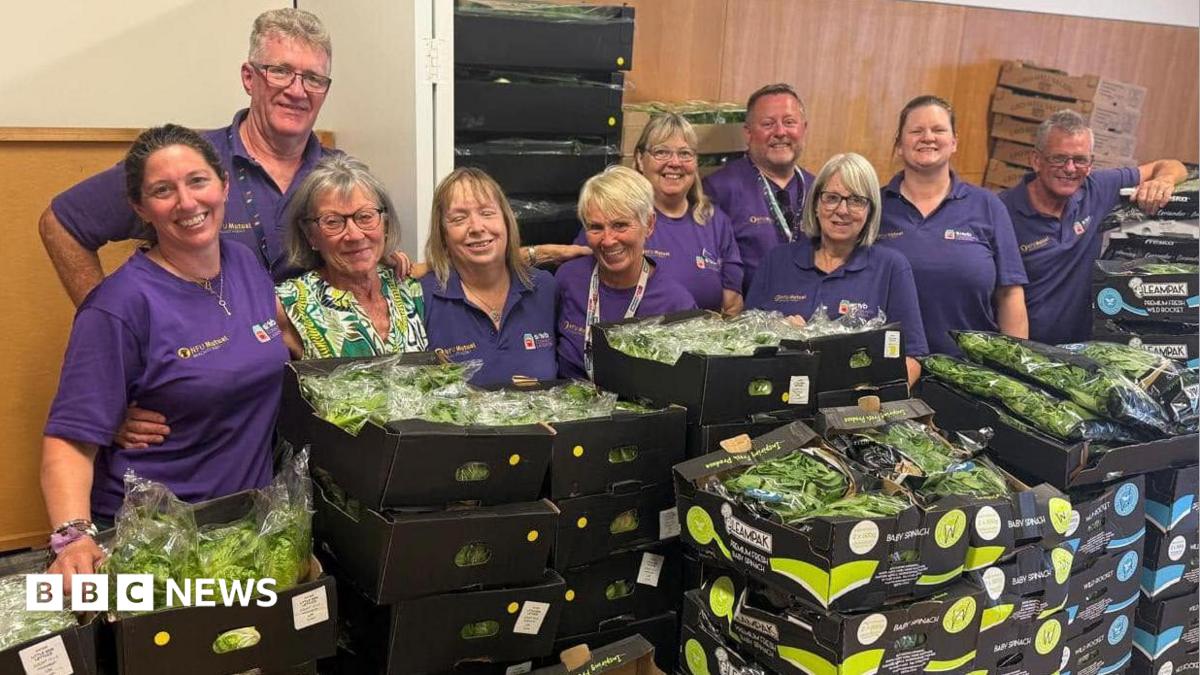
For supply chain leaders focused on waste reduction, the volunteer-driven food rescue at Silverstone demonstrates a scalable, low-cost model for diverting event surplus from landfill. During the British Grand Prix — the largest race weekend attendance in history for a Formula 1 event, with 564,000 fans — about 50 volunteers from the Towcester Community Larder, in Northamptonshire, have been racing to collect unused food before it perishes.
The Scale of Food Waste at Mega-Events
According to a BBC News report, the Towcester Community Larder has been performing this task at Silverstone for six years. Last year, the volunteers collected 32 tonnes of unused food. This year, between Sunday and Thursday, they have already saved 15 tonnes of food — and the tally is expected to rise. Katie Steele, a member of the larder team, said the large collection of "weird and wonderful" items continues to grow. Items rescued include lettuce, salad, mushrooms, cheeses, fish, meat, fruit, vegetables, canned water, pop, milk, ice cream, 5,000 eggs, and even edible mixed flowers.
| Metric | Last Year | This Year (So Far) |
|---|---|---|
| Food rescued (tonnes) | 32 | 15 |
| Volunteers | ~50 | ~50 |
| Days of operation | Not specified | Sunday to Thursday |
Logistics of a Volunteer Food Rescue
The volunteers work in pit-stop fashion, making multiple trips to the Silverstone circuit. Steele noted that the first load was sorted by 01:00 BST on Monday, after which volunteers returned to the circuit just a few hours later. "We need to get the food out as soon as we can before it perishes," she said. The perishable items, especially fruit and vegetables, are distributed quickly through the larder's membership scheme, where surplus produce is sold at discounted rates.
"When you've got that many people coming through the doors inevitably there is stuff that is destined for the bin, unless we can step in and rescue it." — Katie Steele, Towcester Community Larder
Steele emphasized the unpredictability: "You never know what you're going to get when you open a fridge." The team has encountered "the most obscure mushrooms" and edible flowers, alongside more common items like salad and milk.
A Model for Supply Chain Sustainability?
For procurement and operations teams managing large events, the Silverstone example illustrates that zero-waste goals require flexible, rapid-response logistics — often executed by community partners rather than traditional waste handlers. The Towcester larder's model — volunteering, sorting, and redistributing surplus through a membership scheme — could be replicated by other circuits, stadiums, and festival organizers. The recovery rate (15 tonnes from a single weekend, with potential for more) suggests that even with large crowds, a dedicated team can capture a significant portion of surplus food before it becomes waste.
The items are made available to the public at the Riverside Resource Centre in Towcester on Monday at 18:30, and at the larder's regular sessions on Wednesdays from 16:15 to 17:00 and Thursdays from 10:00 to 11:15. The larder's success over six years points to a sustainable partnership between a community organisation and a major sporting venue.
Sources: