The freight market is sending two conflicting signals at once, creating a strategic challenge for supply chain leaders: consumer-centric sectors are weakening while industrial demand tied to the AI data center boom is surging. According to FreightWaves, this bifurcation could mask deeper risks, particularly if the AI build-out proves to be a speculative bubble.
Freight Demand Bifurcation
FreightWaves reported that freight demand is split between two distinct segments:
- Consumer-centric sectors: Beverages and appliances are struggling.
- Industrial demand: Electrical goods, data centers, and batteries are soaring.
This divergence means logistics providers and shippers cannot rely on a single demand signal. A procurement team sourcing components for data center construction may see rising rates and tight capacity, while a team sourcing for consumer appliances faces soft demand and downward pressure on rates.
The AI Data Center Bubble Warning
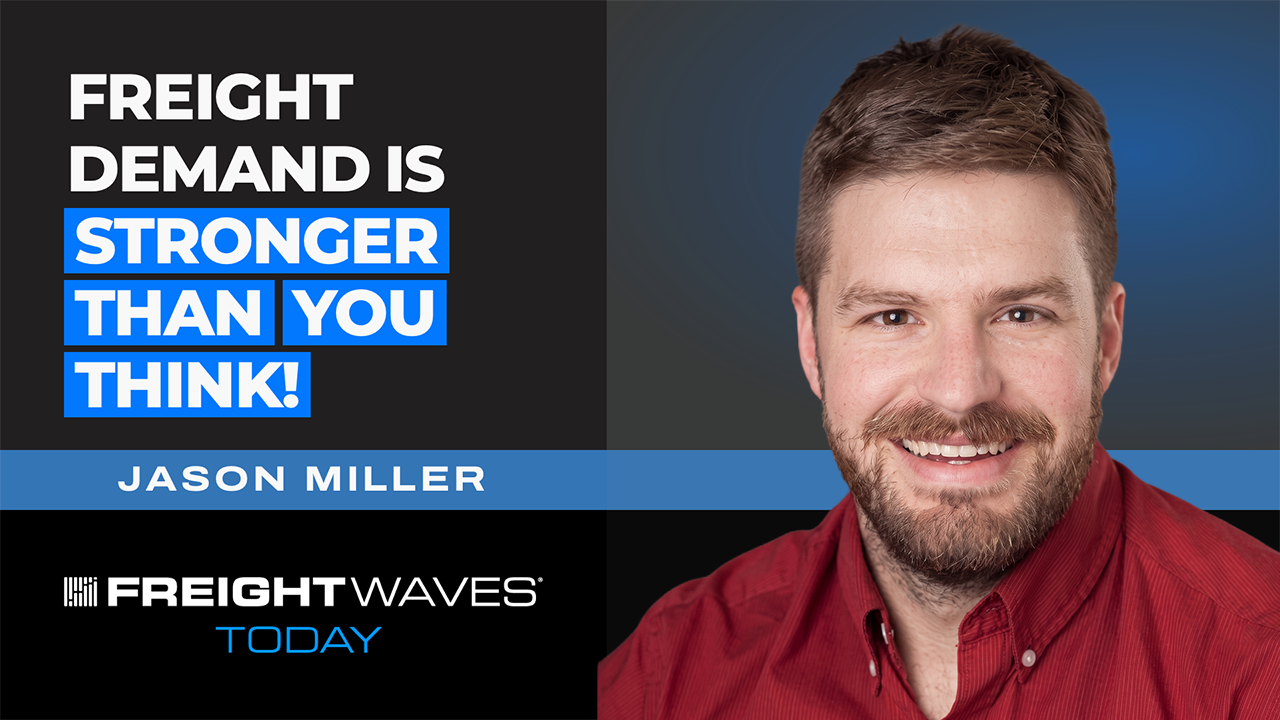
Dr. Jason Miller from Michigan State University told FreightWaves that the AI data center build-out could be an 'absolute bubble', echoing patterns seen in previous technology booms. "The AI data center build-out could be an 'absolute bubble'," Miller warned, according to FreightWaves. He noted that this could impact trucking capacity and future freight volumes. The implication for supply chain professionals: the current surge in industrial freight demand may not be sustainable.
Implications for Procurement and Logistics Teams
For chief supply chain officers and procurement directors, the bifurcated market demands a segmented strategy. Below is a comparison of the two freight demand segments based on the FreightWaves report:
| Segment | Sector Examples | Demand Trend | Capacity Pressure | Risk Level |
|---|---|---|---|---|
| Consumer-centric | Beverages, Appliances | Struggling | Low | Medium (revenue decline) |
| Industrial | Electrical goods, Data centers, Batteries | Soaring | High | High (potential bubble burst) |
The industrial segment's dependence on data center investment creates concentration risk. If the AI build-out slows, carriers that added capacity could face an abrupt downturn, affecting contract rates and service levels.
Forward Outlook and Industry Events
FreightWaves also highlighted upcoming industry events that reflect the sector's focus on compliance, technology, and networking:
- Brokerage Compliance Symposium: Scheduled the day before F3, covering fraud exposure, carrier liability, FMCSA rules, cargo theft, and insurance gaps.
- F3 Awards Dinner: Honoring FreightTech100 companies, with reveals of FreightTech 25 and Shipper of Choice winners.
- F3: Future of Freight Festival: Keynotes, technology demos, and networking at The Signal at Chattanooga Choo Choo in Chattanooga, TN.
These events indicate that the industry is actively adapting to regulatory and technological shifts. For supply chain leaders, monitoring capacity trends and diversifying supplier bases across both consumer and industrial segments will be critical in the coming quarters. Dr. Miller's bubble warning suggests that now is the time to stress-test logistics networks against a scenario where AI-related freight volumes decline sharply.
Sources: