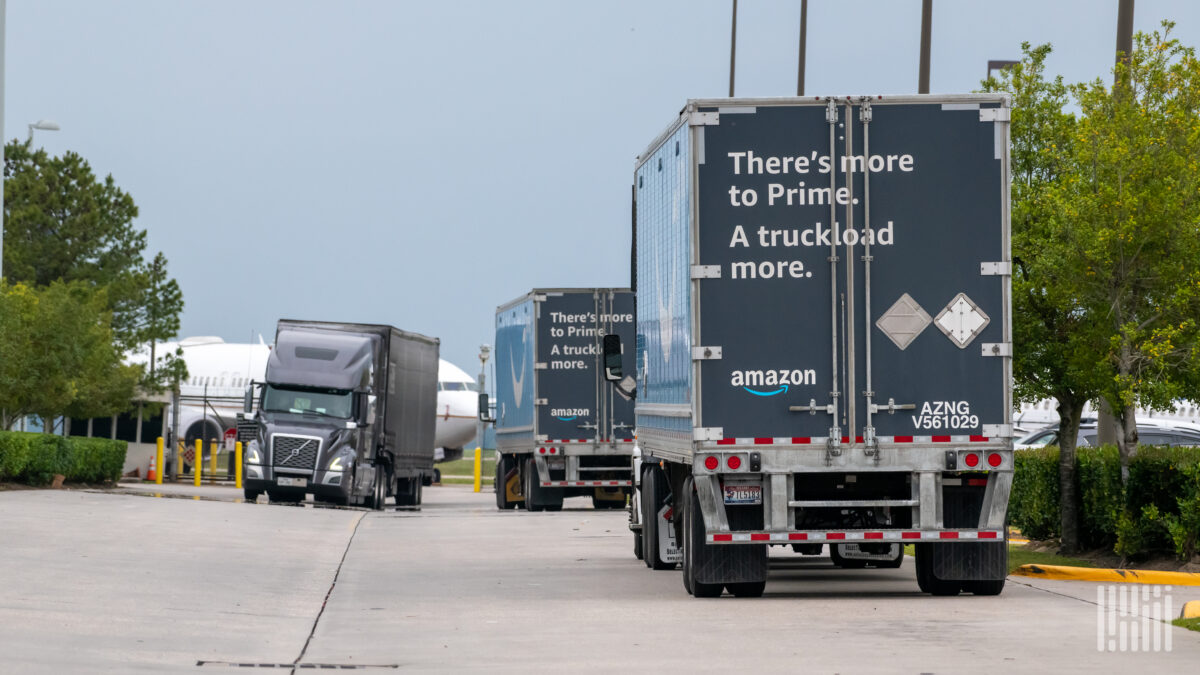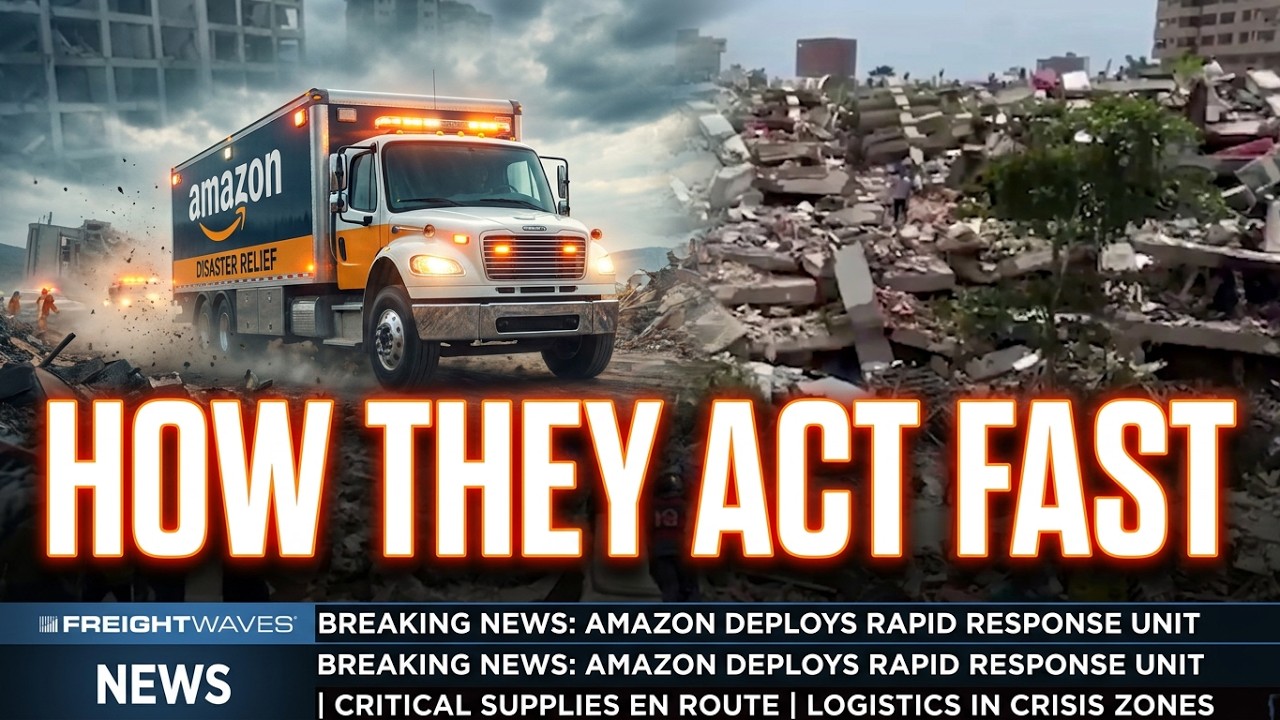
For supply chain leaders seeking proven models for rapid response in crisis environments, Amazon's Disaster Relief program provides a real-world blueprint. By pre-positioning inventory and coordinating with global partners, the e-commerce giant demonstrates how logistics infrastructure can be repurposed for humanitarian impact — a capability that holds direct relevance for commercial resilience planning.
How Amazon's Disaster Relief Program Works
According to a report from FreightWaves, Amazon’s Disaster Relief program harnesses the company's vast logistics network, cutting-edge technology, and dedicated people to deliver critical aid precisely where and when it is needed most. The program pre-positions supplies ahead of likely emergencies and coordinates with global partners to ensure immediate impact in chaotic environments. A notable example cited is the Venezuela earthquake, where the program brought hope and essential items to devastated communities.
The program's design emphasizes speed and precision. By leveraging Amazon's existing fulfillment and transportation infrastructure, relief supplies can bypass traditional bottlenecks. The company's technology stack — though not specified in detail — likely includes real-time tracking, inventory management, and demand forecasting to match aid with needs on the ground.
Implications for Supply Chain Resilience
For chief supply chain officers and procurement directors, the Amazon model offers several transferable concepts:
- Pre-positioned inventory: Staging critical goods in strategic locations reduces lead time during disruptions. This mirrors strategies for managing supply chain risk, especially for single-source components or geographies prone to natural disasters.
- Technology integration: The use of cutting-edge technology to manage logistics in real time can improve visibility and decision-making under pressure. This reinforces the value of advanced planning systems and data analytics.
- Partner coordination: Collaborating with NGOs, governments, and other entities expands reach and capabilities. In commercial supply chains, similar partnerships with suppliers and logistics providers can create redundancy and agility.
What This Means for Your Procurement Team
Procurement teams should evaluate their own pre-positioning readiness. While Amazon's scale is unique, the principle of staging inventory at risk-prone locations — or arranging interlocking supplier agreements for expedited delivery — can be adapted. The Venezuela earthquake example underscores that even in regions with limited infrastructure, a well-designed logistics network can make a difference.
Supply Chain Events Spotlight
The FreightWaves report also highlights two upcoming industry events relevant to supply chain technology and resilience:
- Supply Chain AI Symposium: Focused on deploying AI in supply chain operations, bringing together operators, founders, and enterprise leaders.
- F3: Future of Freight Festival: A Chattanooga-based event featuring keynotes, technology demos, and the FreightTech and Shipper of Choice Awards.
These events reflect the growing convergence of technology and logistics that underpins programs like Amazon's Disaster Relief.
Forward Outlook
As climate change and geopolitical instability increase the frequency of disasters, the ability to respond rapidly will become a competitive differentiator. Amazon's program provides a tested template that combines logistics scale, technology, and human dedication. Supply chain leaders would do well to study its principles and consider how to embed similar capabilities in their own networks.
Sources: