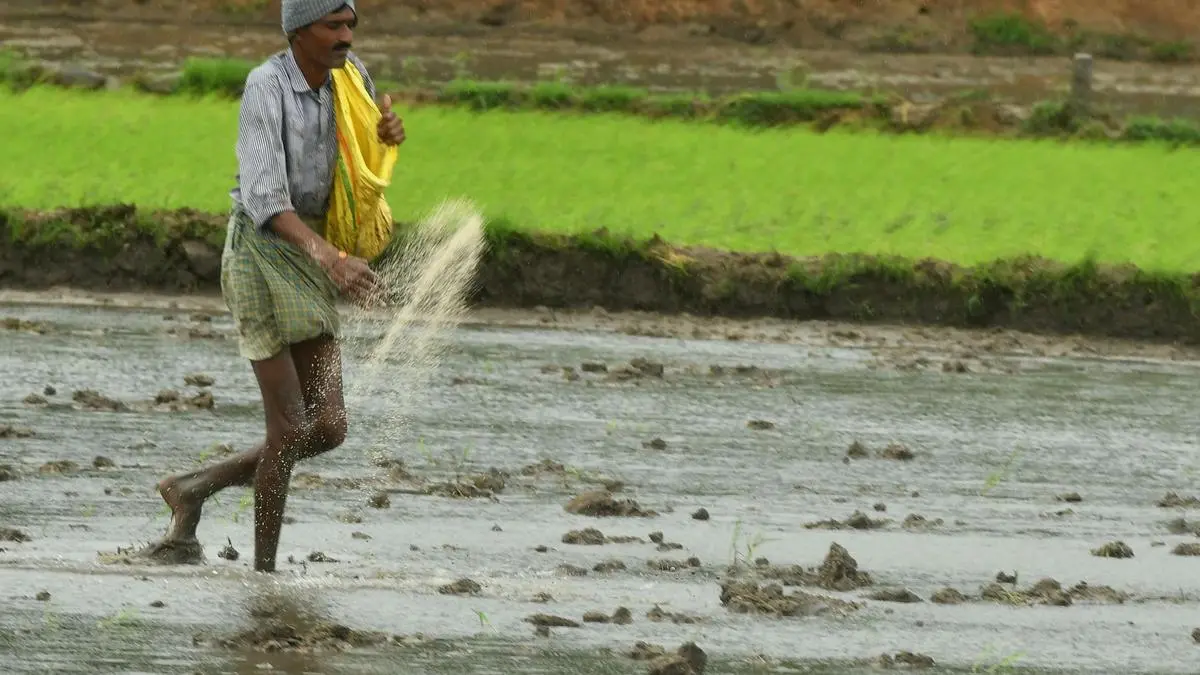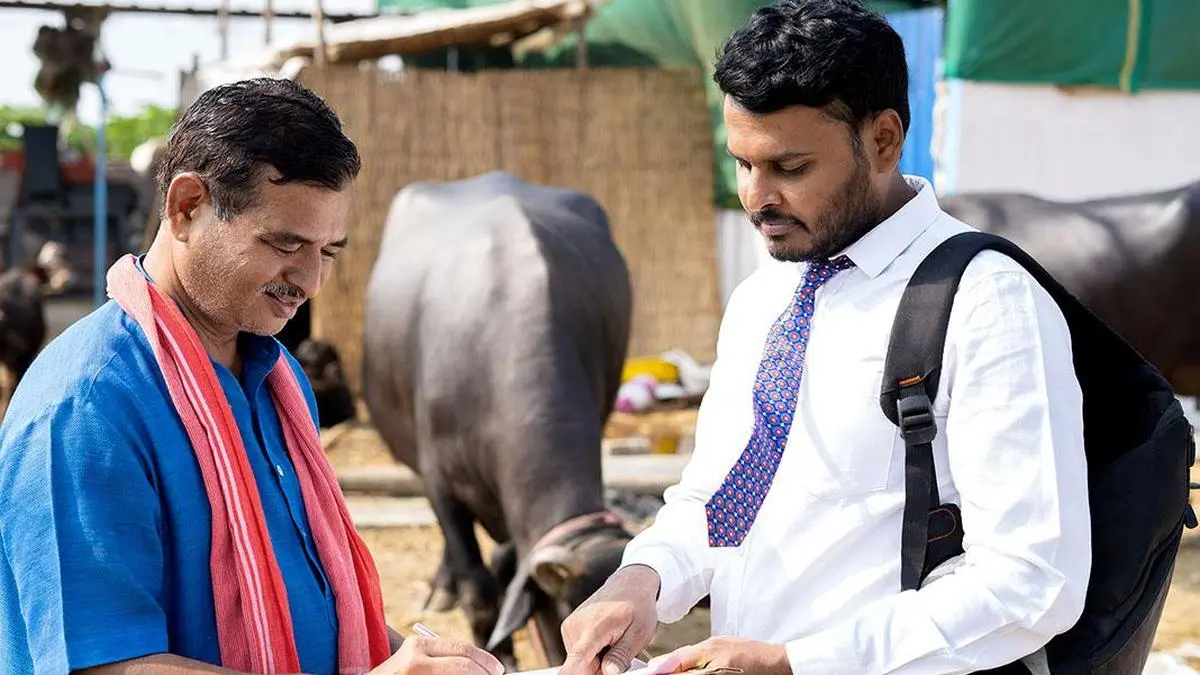
The vulnerability of India's livestock feed ecosystem has been laid bare by the country's southwest monsoon. For procurement teams and operations directors, this is not merely a weather event but a supply chain challenge with quantified risks to cost, availability, and margins.
Monsoon deficit and its supply chain implications
The India Meteorological Department (IMD) revised its 2026 forecast to 90 per cent of the Long Period Average, with a 60 per cent probability of deficient rainfall. By June 30, rainfall was already 30 per cent below normal, while 315 districts across 12 states had been identified as high risk, including 111 districts with less than 25 per cent irrigated farmland. According to the source article, for the livestock feed sector, this heralds a supply chain challenge with far-reaching implications.
The feed market's dependence on rain-fed maize
India's compound livestock feed market is valued at $15.43 billion in 2026 and projected to grow at a CAGR of 6.43 per cent through 2031. Cereals account for 57.4 per cent of compound feed ingredients, with maize contributing 60-65 per cent for poultry feed and 10 per cent for livestock feed. Critically, nearly 83 per cent of India's kharif maize is rain-fed, making major producing states – Madhya Pradesh, Maharashtra, Karnataka, and Telangana – acutely sensitive to monsoon performance. Delayed or deficient monsoons narrow procurement windows and push up prices. For organised feed manufacturers operating on margins of just 5-8 per cent, even modest supply disruptions can significantly affect profitability and feed affordability.
Structural pressures compounding the risk
The current monsoon uncertainty sits atop an existing supply-demand imbalance. India's maize demand is projected to rise by 44 per cent by 2030-31, driven by both livestock sector growth and the expanding ethanol blending programme. Maize contributes an estimated 48-51 per cent of ethanol production, and domestic maize output grew at nearly 9 per cent annually between FY2022 and FY2025, largely in response to rising distillery demand rather than food or feed requirements. As competition for maize intensifies, the livestock feed industry is increasingly exposed to supply constraints and price volatility.
Policy support has not kept pace: the Minimum Support Price for kharif maize was increased by only ₹10 to ₹2,410 per quintal from ₹2,400 per quintal despite rising cultivation costs, offering limited incentive for farmers to expand acreage. Soybean, the principal protein ingredient in livestock feed, is equally exposed to rainfall variability.
What this means for your procurement team
Building resilience requires a long-term approach that extends beyond responding to seasonal shortages. The source article recommends several strategic actions:
- Strategic buffer stocks for maize and soybean meal to provide stability during supply disruptions.
- Greater policy support for irrigated rabi maize cultivation to reduce dependence on a single monsoon-driven harvest.
- Adoption of alternative ingredients such as Distillers' Dried Grains with Solubles (DDGS), sorghum, and pearl millet, supported by clear quality standards and regulatory guidance.
- Strengthening storage and logistics infrastructure through improved farm-level storage, efficient grain movement, and support via schemes such as the Animal Husbandry Infrastructure Development Fund.
With livestock contributing nearly 30 per cent of India's agricultural GDP and the feed industry supporting millions of farmers, building a more resilient supply chain is not optional. Climate variability is becoming the new normal, and ensuring reliable access to feed ingredients will be essential to protecting livestock productivity, farmer incomes, and the country's long-term food security.
The author of the article, Divya Kumar Gulati, who serves as Chairman of CLFMA of India, underscores that the feed industry must act now to secure its supply base.
Sources: