
Topic
food security
 Commodities
 India's gene-edited Pusa Rice DST1 set for commercial rabi season release
India developed two genome-edited rice varieties, DRR Dhan 100 (Kamala) and Pusa Rice DST1, in 2025. The government is set to release Pusa Rice DST1 for commercial production in the upcoming rabi season, with transplanting around November. ICAR reports yield advantages of 9.66% to 30.4% for the drought- and salt-tolerant variety.
 Commodities
 India's rice procurement up 5% in 2025-26 as rabi season purchases jump 18%
India's 2025-26 rice procurement reached 571.14 lakh tonnes, 99% of target and 5% higher year-on-year. Rabi-season buying jumped 18% to 86.71 lt, led by Telangana. Punjab purchases fell 9.7%, while Haryana's were revised upward. The Agriculture Ministry expects another bumper crop unless August-September monsoon deficiencies emerge.
Commodities India Set to Plant World's First Gene-Edited Rice Variety This Rabi Season
India's ICAR is set to sign an MoU with Corteva this month to commercially release Pusa DST Rice 1, the world's first gene-edited rice variety. The variety, developed by IARI, will undergo seed multiplication in the upcoming rabi season, with transplanting expected around November. Field trials showed significantly higher yields than the parent line MTU1010 under salinity and alkalinity stress.
 Commodities
 ICAR unveils India's first fully annotated T2T pigeonpea genome to speed pulse breeding
ICAR has developed India's first fully annotated telomere-to-telomere (T2T) reference genome of pigeonpea variety 'Asha', spanning 752.65 million base pairs across all 11 chromosomes. The milestone, deposited in NCBI as NIPB_CcT2T_4, is expected to accelerate climate-resilient, high-yielding pulse breeding and support India's Mission for Aatmanirbharta in Pulses.
 Commodities
 Why Biofortified Crops Could Shape the Next Phase of Indian Agriculture
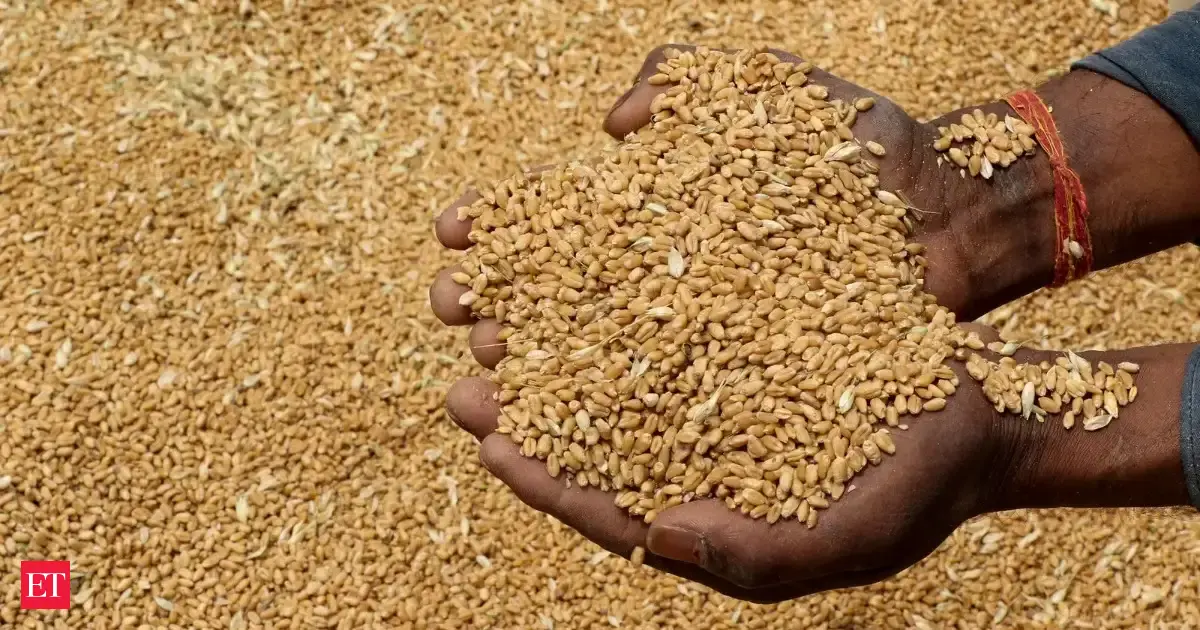
According to Prateek Rastogi of Better Nutrition, biofortified crops bred through conventional methods could shift Indian agriculture from calorie security to nutrition security. ICAR has released more than 150 varieties across wheat, rice, pearl millet, sorghum, maize, and mustard, with biofortified wheat containing roughly twice the iron and zinc of conventional wheat.
 Trade
Trade Global wheat rally revives India's export prospects as government allows 5 million tonnes of exports
India has authorised the export of 5 million tonnes of wheat after a four-year ban, according to the Economic Times. The decision follows a global wheat rally and a domestic surplus of 57.8 million tonnes in the central pool. The government had previously allowed an additional 2.5 million tonnes in April 2026.
 Commodities
 India's Potato Seed Ecosystem: The Foundation for Future Farming Prosperity
India, the world's second-largest potato producer, suffers from a productivity gap with average yields of 28-30 tonnes per hectare, half of global leaders. A fragmented seed ecosystem and low Seed Replacement Rate (25-30%) are primary causes. Transitioning to an organized seed marketing system with digital intelligence can boost yields, reduce crop failure risks, and align with growing demand from frozen food and QSR sectors.
 Commodities
 Kharif Sowing Acreage Down 6% as Sowing Completes in 60% of Normal Area, Says Agriculture Ministry
India's kharif sowing acreage reached 531.25 lakh hectares as of July 17, down 6% from 632.69 lh a year ago, according to the Agriculture Ministry. The deficit narrowed from 21% in early July due to surplus monsoon rains. Paddy coverage is nearly on par, while pulses and oilseeds still lag. The government targets a foodgrain production of 176.16 mt for the season.
 Supply Chain
 Geopolitical crises strengthen case for India's agricultural resilience, says SML Ltd executive director
Komal Shah Bhukhanwala, executive director of SML Limited, said the US-Iran conflict underscores the need to strengthen India's agricultural resilience by reducing dependence on imported fertilizer raw materials. She called for government support for high-nutrient-use-efficiency fertilizers and advanced technologies.
 Commodities
 El Niño Warning: Why India Must Regenerate Its Agriculture Now
El Niño, caused by warming of the equatorial Pacific Ocean, weakens the Indian monsoon, leading to below-normal rainfall and dry spells. Indian agriculture has lost resilience due to synthetic inputs, monocropping, and soil degradation. Regenerative agriculture—restoring soil health, biodiversity, water management, and community institutions—is key to climate-proofing farms.
 Commodities
 Regenerative mustard programme boosts yields up to 30% in India, says AWL Agri Business
The Solvent Extractors' Association of India's Regenerative Mustard Model Farm Programme, led by AWL Agri Business and partners, achieved mustard yield improvements of up to 30% across demonstration farms in Rajasthan, Haryana and Madhya Pradesh during the 2025-26 rabi season. The programme aims to reduce India's 55-60% edible oil import dependency through regenerative farming practices.
 Commodities
 Weak Monsoon May Intensify Water Stress, Threaten Kharif Sowing: NSE Report
A weak southwest monsoon could heighten water stress in India and threaten kharif sowing over the next fortnight, according to an NSE Market Pulse report. The report warns of a fresh supply-side shock and highlights rising temperatures and increased rainfall variability, even as a positive Indian Ocean Dipole may partly offset El Nino effects.
 Trade
Trade Beyond Oil: The Agri-Input Cost of the US-Iran Conflict That Outlasts Ceasefires
The US-Iran conflict's disruption of fertilizer flows through the Strait of Hormuz outlasts ceasefires and announcements. India, which sources nearly 70% of its urea imports from Gulf suppliers, faces biological timing pressures as a late input equals a missing input for farmers. The reopening after the June peace deal was brief, with Iran closing the strait again on 20 June, triggering sharp drops in daily crossings.
 Commodities
 Heatwaves and Fodder Stress Threaten India's Dairy Supply Chain, CRISIL Forecasts 13-15% Revenue Growth for FY27
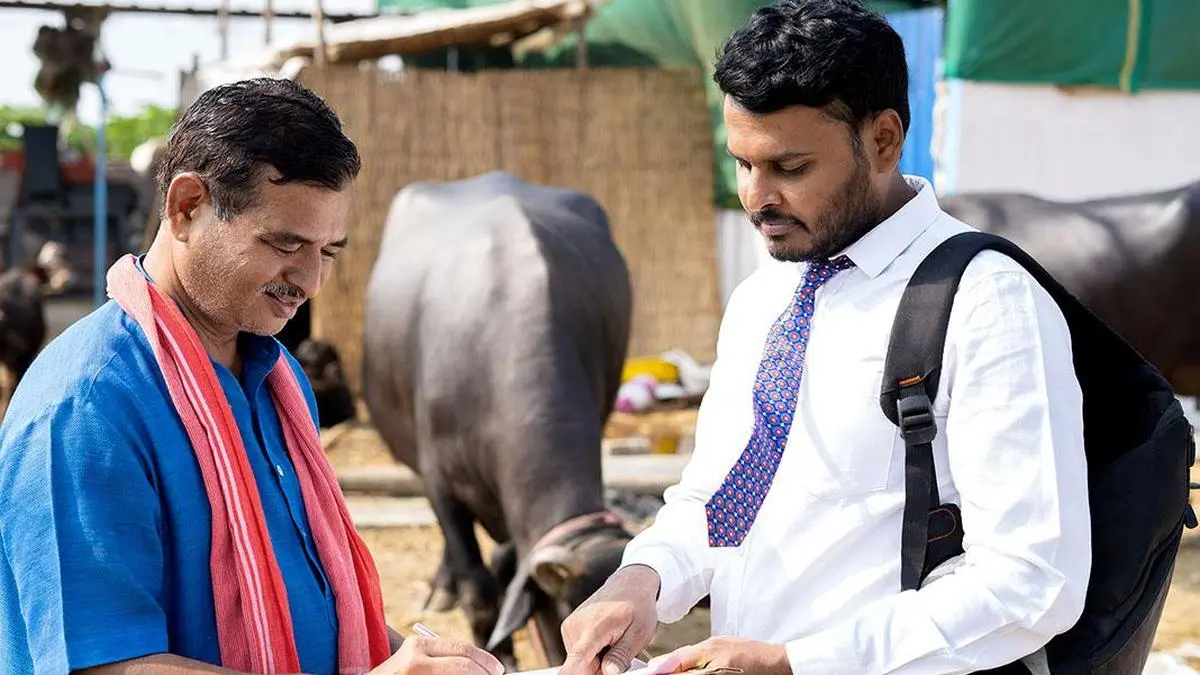
India's dairy industry faces growing challenges from climate change, including heatwaves and fodder stress, which are affecting milk production and farmer incomes. CRISIL estimates the organised dairy sector will achieve 13-15% revenue growth in FY27 driven by rising demand and value-added products. Companies are investing in sustainability and technology to build resilience.
 Supply Chain
 Securing India's livestock feed supply chain as monsoon deficits threaten procurement and margins
India's southwest monsoon deficit is exposing critical vulnerabilities in the livestock feed supply chain. With 83% of kharif maize rain-fed, deficient rainfall threatens procurement windows and feed affordability. The article outlines structural pressures from ethanol demand and policy gaps, and recommends strategic buffer stocks, alternative ingredients, and logistics improvements.
 Supply Chain
 Why addressing post-harvest loss as a farmer income problem reshapes cold chain supply chain strategy
India loses 74 million tonnes of food annually post-harvest. Framing this as a farmer income problem rather than just food security shifts focus from large cold chain infrastructure to localised solutions like micro cold storage and market information. For procurement and supply chain leaders, this highlights the need to design downstream resilience with the smallholder farmer in mind.
 Commodities
 India Identifies 77 Paddy and 65 Maize Districts Prone to 10% Yield Loss from El Nino
India's agricultural research body ICAR has identified 77 paddy and 65 maize-growing districts that are prone to at least 10% yield loss during El Nino years, based on historical analysis of 2002, 2004, and 2009 droughts. The government is using this vulnerability map to prepare contingency measures, while the current monsoon season has seen a 42% rainfall deficit so far.
 Commodities
 India Prepares District-Level Contingency Plans as Rainfall Deficit Reaches 40%
India is experiencing a 40% rainfall deficit, prompting the government to activate district-level contingency plans. Agriculture Commissioner PK Singh highlighted improved irrigation infrastructure since the 2015 El Niño and adequate rice and wheat reserves. Farmers may shift to pulses due to delayed monsoon, with imports possible if shortages arise.
 Commodities
 El Nino and Weak Monsoon Pose Greater Threat to India Than US-Iran Conflict
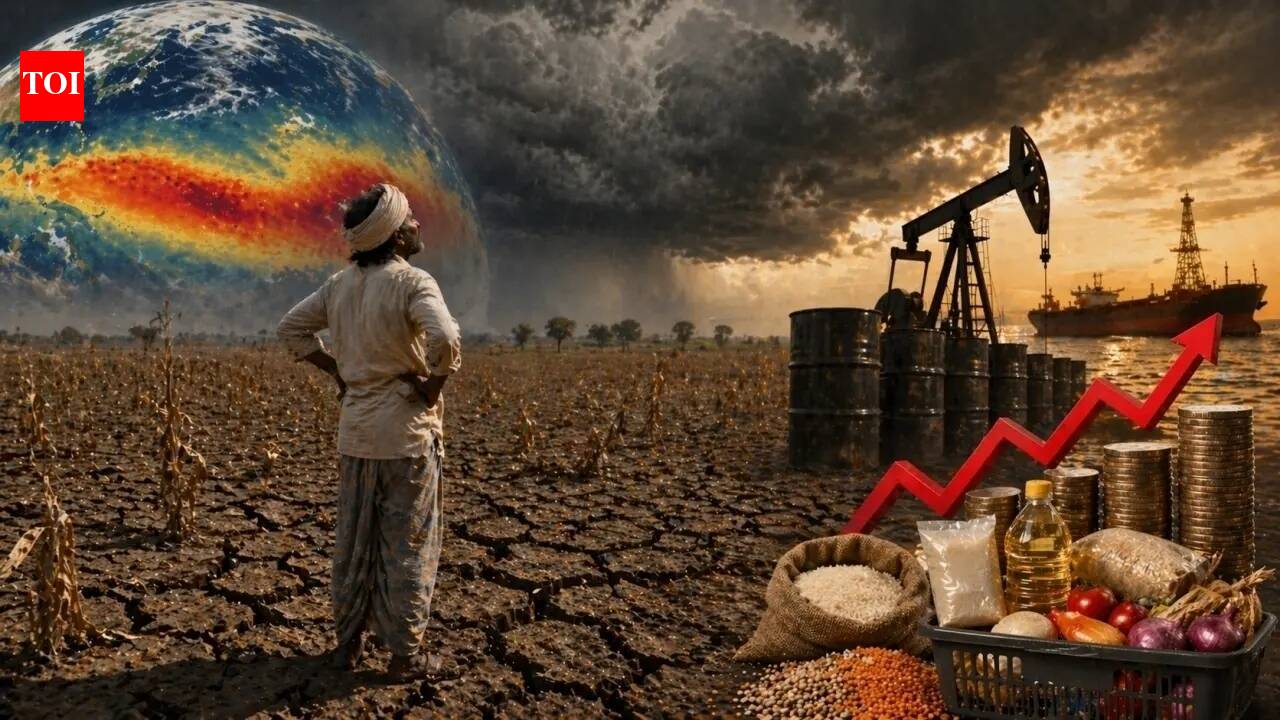
India's weak monsoon, driven by El Nino, presents a more significant economic threat than the recent US-Iran conflict. Cumulative rainfall is 42% below normal, reservoir levels have dropped to 27.7% of capacity, and risks to inflation and rural incomes are mounting. Historical parallels with 2019 and 2023 offer some hope but uncertainty remains.
 Commodities
 India’s Kharif Sowing Tops 120 Lakh Hectares, Monsoon Deficiency Not Yet Impacting Acreage
India’s kharif sowing area reached 119.90 lakh hectares as of June 19, up 1.7% from a year ago, despite a 43% monsoon rainfall deficit. Cotton, soybean and urad acreage are lower, while paddy, pulses and coarse cereals show higher coverage. The India Meteorological Department forecasts monsoon advance into new regions by June 24.
 Commodities
 India’s Wheat Procurement Surpasses 35.5 Mt Target, Up 19% Year-on-Year
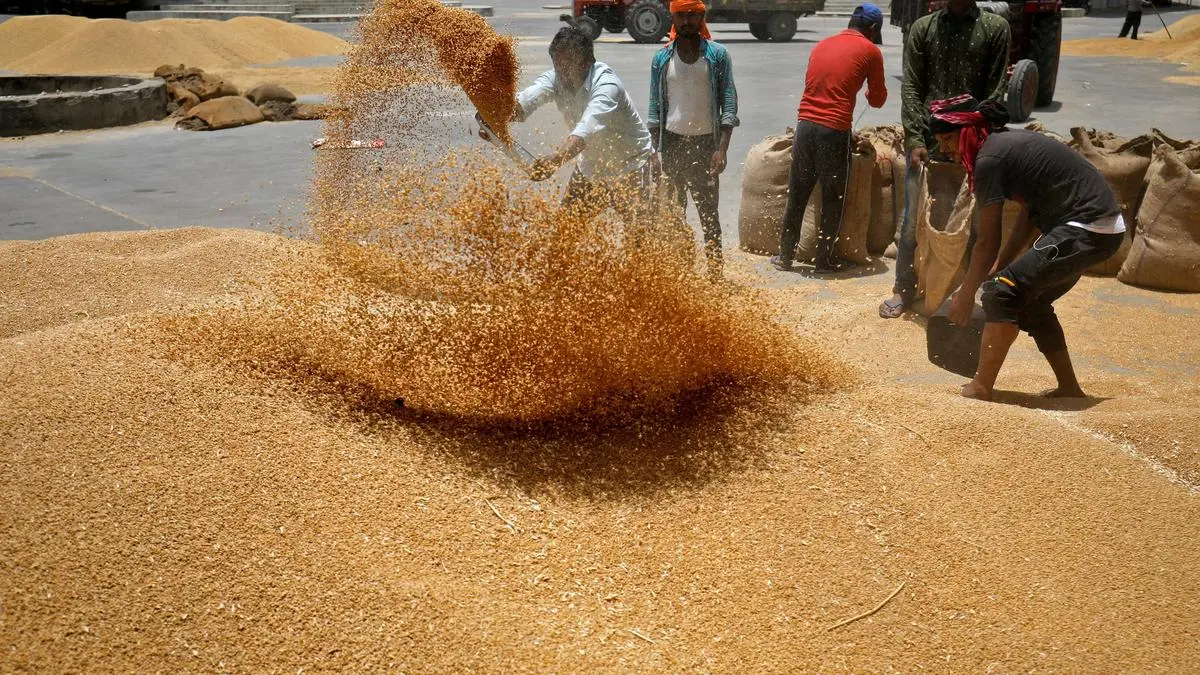
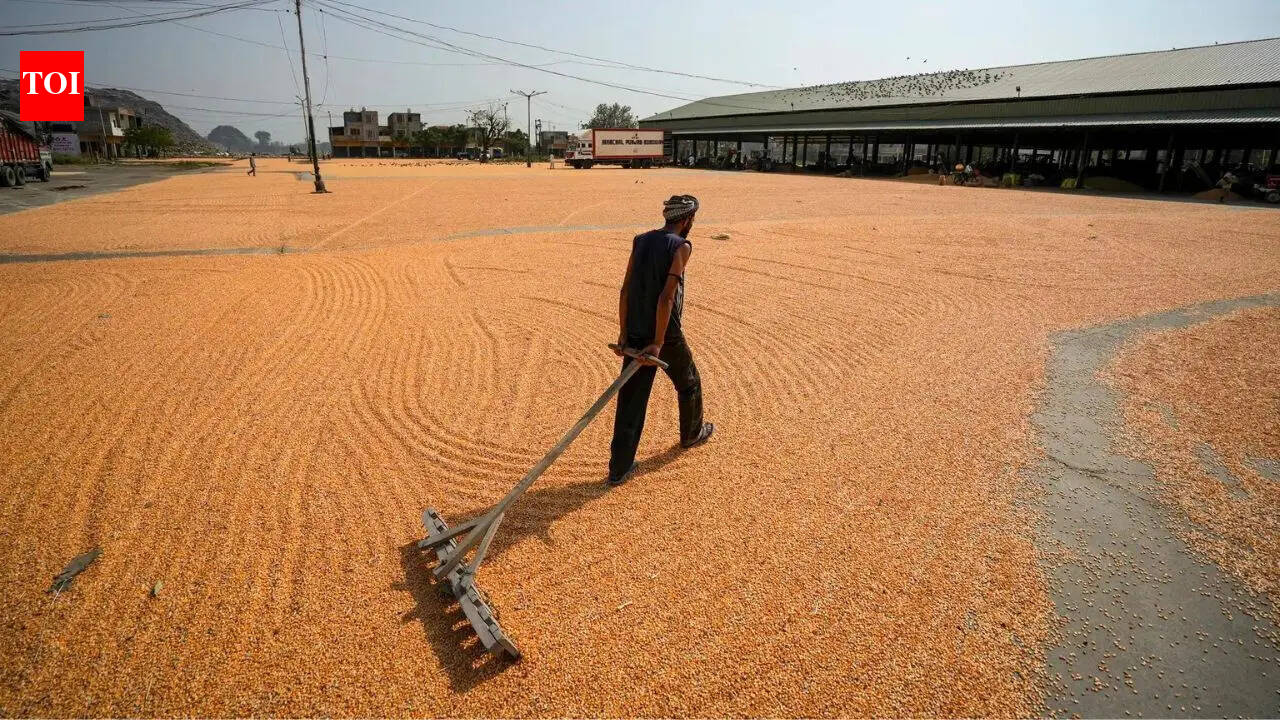
The Indian government's wheat procurement has exceeded its revised target of 35.54 million tonnes, reaching 35.76 million tonnes as of June 21, a 19% increase from the same period last year. Nearly 68% of the procured wheat was under relaxed quality specifications. Central Pool stocks stood at 53.41 million tonnes as of June 1, the highest since 2021.
 Commodities
 India's Record Rice and Wheat Stocks Bolster Exports Amid El Niño Risks
India's government rice and wheat stocks have reached record and five-year highs respectively, providing a strong buffer against potential El Nino-related monsoon disruptions. Traders say the reserves support continued exports, while FAO warns of rainfed crop stress.
 Commodities
 FM Sitharaman Assures No Foodgrain Shortage Despite El Nino Impact on Monsoon
Union Finance Minister Nirmala Sitharaman assured that India has adequate buffer stock of foodgrains and there will be no shortage despite the impact of El Nino conditions. Speaking at the Mindmine Summit in New Delhi, she stated that the Southwest Monsoon rainfall is expected to be below normal, but sufficient fertilizer is available for the Kharif season, with Rabi supply commencing from November.
 Commodities
 BRICS Agriculture Meet Begins in Indore; Food Security, Climate-Smart Farming on Agenda
A five-day BRICS agriculture meeting began in Indore on Tuesday, focusing on food security, climate-resilient farming, farmer welfare, and cooperation. Officials discussed agricultural technology exchange and trade. A joint declaration is expected after agriculture ministers meet on June 12-13.
 Commodities
 El Niño Threatens Global Crop Yields and Energy Grids
El Niño has formed in the Pacific, posing risks to global agriculture and energy. The phenomenon, identified by the Japan Meteorological Agency, could lead to reduced yields for key crops and strain power grids worldwide.
 Supply Chain
 Farmers' Health: A Strategic Asset for Food Security
The Farmers' health capital theory redefines farmer welfare as a strategic asset for national food security. By viewing farmers' health as economic capital, this approach addresses supply chain risks and market volatility.
 Trade
Trade India to Implement 6–7 FTAs in 2027, Boosting Trade
India is set to implement 6–7 Free Trade Agreements (FTAs) in 2027, as announced by Commerce Minister Piyush Goyal. These agreements aim to strengthen India's trade relationships and economic growth.
 Trade
Trade India's Seed Sovereignty: A Strategic Shift
India's strategic focus on seed sovereignty has led to over 10,500 plant variety registrations under the Protection of Plant Varieties and Farmers’ Rights Act, 2001. This move aligns with global debates on genetic resources and digital sequence information.
 Commodities
 India's Wheat Procurement Surpasses Revised Target Amid Record Production
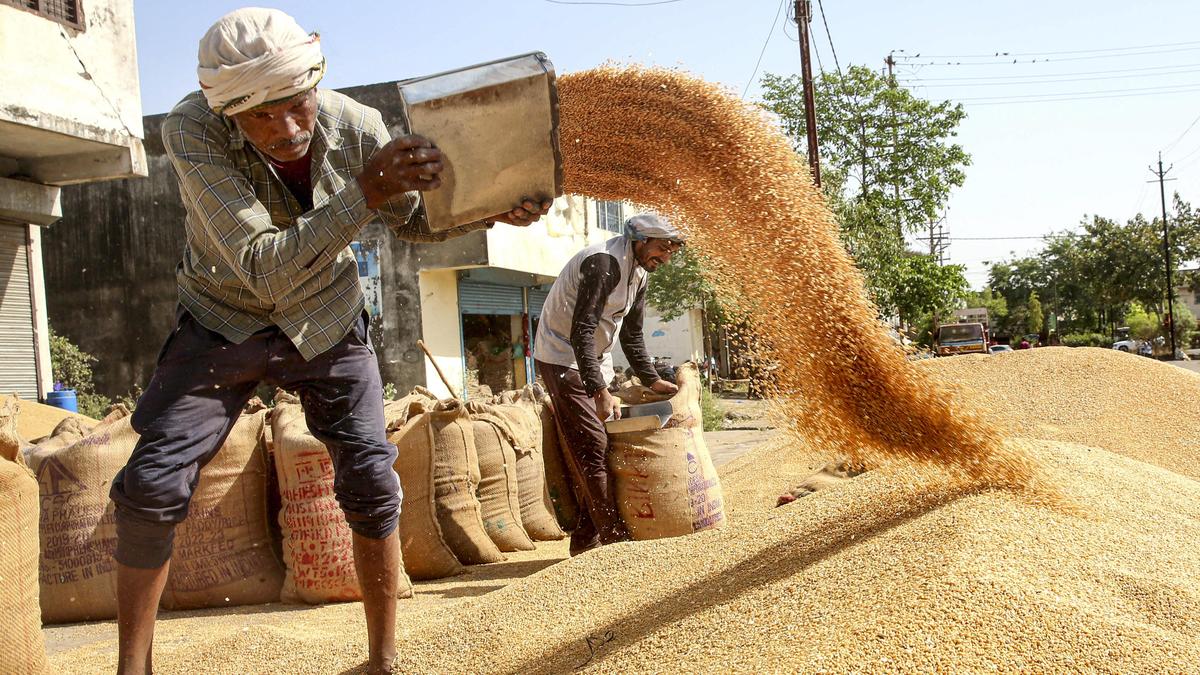
India's wheat procurement for buffer stocks has surpassed the revised target of 34.5 million tonnes, reaching 34.99 million tonnes as of May 31. This increase is attributed to record production estimates and relaxed quality norms due to weather impacts.
 Commodities
 India's Agriculture Sector Faces Climate Challenges
India's agriculture sector is under pressure to adapt to climate impacts, with extreme weather and groundwater stress threatening food supply chains. A coalition led by the Climate Group aims to enhance resilience and sustainability.
Commodities India's Regenerative Agri Conference: A Step Towards Resilience
India will host a conference on regenerative agriculture to address food security and climate resilience. The event, organized by TNC and CII FACE, will focus on sustainable practices and innovations in agriculture.
 Trade
Trade Iran Conflict Reshapes Persian Gulf Food Trade
The Iran conflict is reshaping food systems in the Persian Gulf, emphasizing the need for shorter, diversified supply chains. The UAE, heavily reliant on imports, is adapting through technology and local sourcing.
 Commodities
 Kashmir's Shrinking Farmland Threatens Food Security
The rapid conversion of agricultural land in Kashmir is threatening food security in the region. With a significant reduction in cultivable land, Kashmir's dependency on food imports is increasing.