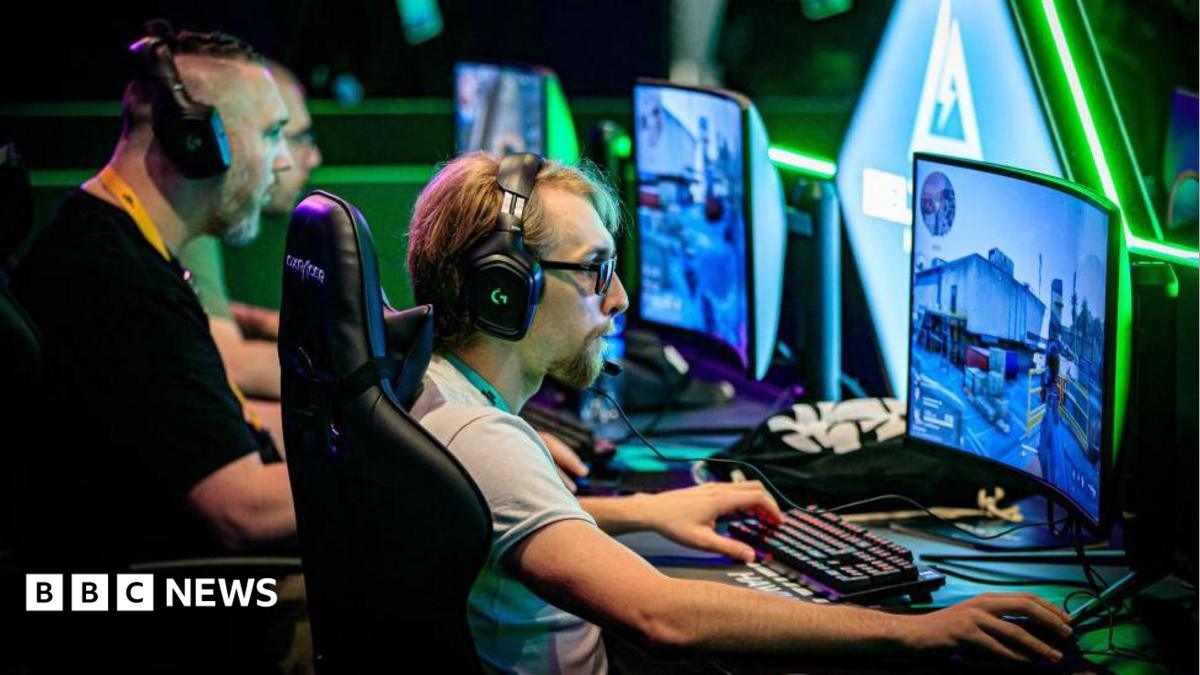
Amazon’s AI models are being trained on content from Twitch, the livestreaming platform it owns, and streamers now have a way to stop it—by changing a single setting. According to WIRED, Twitch added an opt-out toggle after more than 16,000 creators voiced opposition to having their videos, streams, and posts used by default in Amazon’s AI training. The update lets users decide whether their channel content can be used to train the AI models of Twitch’s parent company, Amazon.
The Opt-Out Setting
From the Twitch website or mobile app, streamers can click on their account avatar, select Settings, and go to the Security and Privacy section. There they will find the Generative AI Training option, which can be disabled to prevent content from being used for that purpose, according to WIRED.
The toggle only stops AI model training. Twitch’s accompanying language states that “disabling this option does not prevent Twitch and Amazon from using your channel’s content for other purposes described in Twitch’s Privacy Notice.” Those purposes include AI-powered platform features such as:
- Real-time assistance for sponsorship campaigns
- Viewer discovery through recommendations
- Community safety tools like AutoMod
| What the opt-out covers | What remains unchanged |
|---|---|
| Use of posts, streams, and videos to train Amazon’s AI models | Use of content for other AI-powered features listed in Twitch’s Privacy Notice |
| Processing by Twitch and Amazon for training purposes | Rights granted to Twitch and sublicensees under the Terms of Service |
Creator Backlash and Platform Response
WIRED reported that more than 16,000 creators voiced opposition in a forum dedicated to the topic after the setting was introduced. The backlash followed a livestream in which Mary Kish, Twitch’s head of community, explained the changes and acknowledged the move would provoke a negative reaction.
Mike Minton, Twitch’s head of product, said keeping the option enabled by default was necessary—otherwise, he argued, “no one would participate” in the process. He also acknowledged that Twitch’s practice may not be unique:
“I don’t know for sure, but I think it’s quite reasonable to assume that almost any publicly available content is used to train models in one way or another, with or without permission. So I think we also need to acknowledge that there’s a lot here that’s beyond even our direct control.”
Terms of Service Gray Area
Twitch’s Terms of Service, in effect since March 2024, grant Twitch and its sublicensees the right to “use, reproduce, modify, adapt, distribute, and create derivative works” from user content. However, WIRED noted that the terms did not explicitly state that such materials could be used to train generative AI models—leaving the default-on practice largely outside explicit user consent.
The Broader Training-Data Problem
The Twitch case, according to WIRED, illustrates a growing challenge for AI developers: a shortage of high-quality training data. As demand increases, companies are seeking new sources:
- OpenAI has reached agreements with publishers, including Condé Nast (WIRED’s parent company), to use their content.
- Meta has been using posts and images from Facebook and Instagram to train its AI models. Recently, WIRED reported, it also came to light that the company was using its employees’ content.
For enterprise technology leaders, the episode underscores a procurement consideration: AI training data may include user-generated content even when terms of service do not explicitly mention generative AI. Assessing how vendors source training data, and what consent and opt-out mechanisms exist, can help organisations align AI investments with data governance expectations.
Sources: